Chinese EV Reliability: Data, Warranty & Brand Comparison
Chinese EV reliability: JD Power data, warranty, common issues. How BYD, MG, NIO compare to European brands. Are Chinese EVs reliable?
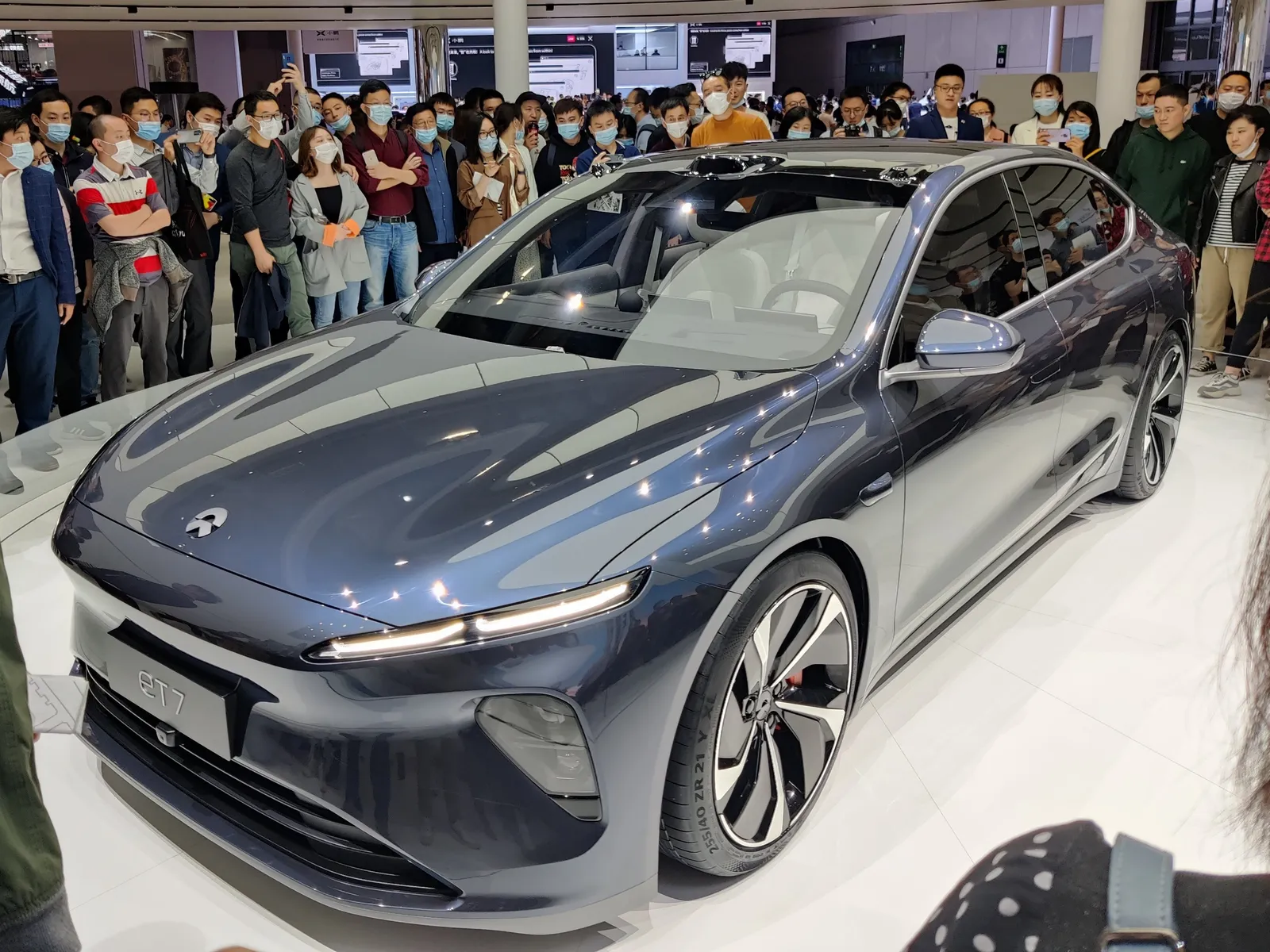
Chinese EV Reliability: What to Expect in 2026
Are Chinese EVs reliable? The honest answer: it depends on the brand. NIO matches BMW at 92 problems per 100 vehicles in JD Power’s 2025 study; mass-market brands sit closer to the 226 industry average. I’ve owned both ends of the spectrum, and the gap is real—premium Chinese EVs feel solid, while budget models can show more teething issues. This guide breaks down Chinese EV reliability data, warranty coverage, and what to expect. For known faults and recalls, our Chinese EV problems guide is the place to start; for maintenance, see the Chinese EV maintenance guide.
📅 Last Updated: March 2026
The 2025 JD Power study shows quality declining for the second year running (226 PP100), but premium brands buck the trend. Chinese EV long term reliability is still an open question—18–24 month development cycles leave less validation time than traditional automakers’ 5–7 years. What we know: BEVs generally score better than PHEVs and REEVs, and infotainment remains the most complained-about category.
| Quick Reliability Facts | Details |
|---|---|
| 2025 Industry Average | 226 PP100 (problems per 100 vehicles) |
| Best Vehicle Type | Battery Electric Vehicles (220 PP100) |
| Worst Vehicle Type | Range Extended Vehicles (235 PP100) |
| Top Premium Brand | NIO (92 PP100, matches BMW) |
| Most Problematic Category | Infotainment Systems (31 PP100) |
| Improving Category | Battery & Charging (-3.2 PP100 improvement) |
Chinese EV Reliability Overview: The 2025-2026 Data
The JD Power 2025 China New Energy Vehicle Initial Quality Study (NEV-IQS) measures problems experienced by owners during the first 90 days of ownership. The industry average reached 226 PP100, marking the second consecutive year of quality decline (16-point increase from 2024’s 210 PP100).
Despite declining initial quality, customer satisfaction reached a record high of 806 out of 1,000. Buyers appear to value technology features and range improvements over perfect initial quality.
EV vs PHEV vs REEV Reliability
Vehicle type significantly impacts reliability: Battery Electric Vehicles (BEV) perform best at 220 PP100 with simpler powertrains. Plug-in Hybrids (PHEV) score worse at 234 PP100 (+26 year-over-year) due to complexity combining electric and ICE systems. Range Extended Vehicles (REEV) worst at 235 PP100 due to mechanical complexity. Key Insight: Pure battery electric vehicles offer the best reliability track record.
JD Power Reliability Ratings: What the Numbers Show
JD Power’s Initial Quality Study measures problems per 100 vehicles (PP100) during the first 90 days. Premium Chinese brands dramatically outperform mass-market offerings: NIO matches BMW at 92 PP100. Domestic Chinese startups achieved 201 PP100 (better than 226 average but behind premium). International brands in China scored 218 PP100, worse than domestic startups. BYD and Zeekr lead mass-market brands.
What These Numbers Mean for Buyers
- 92 PP100 (NIO): Excellent reliability matching premium European brands
- 201 PP100 (Domestic Startups): Above-average reliability with some issues expected
- 226 PP100 (Industry Average): Average reliability with noticeable problems
- 234-235 PP100 (PHEV/REEV): Below-average reliability with more frequent issues
Practical translation: 226 PP100 means roughly 2.26 problems per vehicle in the first 90 days. Most issues are minor (infotainment glitches, trim rattles); some can be serious (charging failures, battery issues).
Brand-by-Brand Reliability Comparison
Reliability varies dramatically by brand:
BYD Reliability: Strengths and Weaknesses
Overall Assessment: Mixed—top performer in quality studies but significant recalls in 2025.
Strengths: Top performer in JD Power studies, Blade Battery technology (3,000+ charge cycles), high interior quality, industry-leading 8-year/250,000 km battery warranty (surpasses Tesla’s 8 years/160,000-192,000 km).
Weaknesses: Major 2025 recalls affecting over 210,000 vehicles—battery manufacturing defects, motor controller malfunctions, electrical system issues.
2025 Recalls: October 2025: 115,783 vehicles (Tang motor controller flaws, Yuan Pro battery sealing). November 2025: 88,981 Qin PLUS DM-i (battery pack inconsistencies). January 2025: 7,000 Fangchengbao Bao 5 (fire risks).
Verdict: Strong reliability when built correctly, but 2025 recalls suggest quality control challenges during rapid expansion.
MG Reliability: European Market Performance
Overall Assessment: Problematic—substantial reliability concerns based on owner reports.
Warranty: 7 years / 150,000 km
Strengths: Competitive pricing, sporty handling, engineered to EU standards with full Euro NCAP testing.
Weaknesses: Persistent charging failures (MG4: 30% failure rate), high-voltage battery disconnection faults, poor build quality (rattles, loose trim, components falling off), frequently crashing infotainment systems, unreliable Apple CarPlay, accelerator pedal failures.
Specific Model Issues: MG4 EV: 70% success rate on charge attempts over 2.5 years. MG ZS EV: High-voltage battery disconnection fault requiring escalation to MG UK office. MG5 EV: Accelerator pedal snapped off after 22,970 miles; MG declined warranty coverage.
Verdict: Competitive pricing and warranty, but owner reports suggest significant reliability issues that may outweigh value proposition.
NIO Reliability: Premium Brand Quality
Overall Assessment: Premium quality with some concerns—excellent initial quality but battery longevity questions.
Initial Quality: 92 PP100, matching BMW.
Strengths: Premium build quality, excellent initial quality, battery swap infrastructure, strong resale value retention (ES6: 91% after 1 year, ES8: 71%).
Weaknesses: Battery swap station fires (two incidents, no injuries), battery longevity concerns (CEO acknowledged “battery life is a problem the whole industry must solve”), unprofitable battery swapping infrastructure, service model challenges.
Battery Life: Claims swappable batteries retain 80% capacity after 12 years (66.5+ million swaps, 3,117 stations), but CEO’s acknowledgment suggests uncertainty about long-term performance.
Verdict: Excellent initial reliability matching premium European brands, but questions about battery longevity and business sustainability create uncertainty for long-term ownership.
Common Problems and Issues Reported
Infotainment System Problems
Most Problematic Category: 31 PP100 (unchanged from previous year). Common issues: unresponsive touchscreens, poor voice recognition, slow response times, frequent crashes, Apple CarPlay unreliability (particularly MG). Chinese manufacturers prioritize advanced features to compete with Tesla, but software quality lags hardware capabilities due to rapid development cycles.
Battery and Charging Issues
Trend: Improving (-3.2 PP100 in 2025) but still present. Common issues: battery manufacturing defects (BYD recalls), sealing failures, water infiltration, consistency problems, charging failures (MG4: 30% failure rate), high-voltage battery disconnection faults. Battery issues improved in 2025 as technologies mature. BYD’s Blade Battery demonstrates strong reliability with 3,000+ charge cycles. Extended warranties (BYD: 8 years/250,000 km) provide protection.
Build Quality Concerns
Persistent Issues: Interior smell and excessive road noise—complaints for six consecutive years. Common problems: rattles, loose trim, components falling off (USB ports dropping behind dash), accelerator pedal failures (MG5). Chinese manufacturers prioritize cost competitiveness and rapid development, sometimes compromising fit-and-finish details.
Electrical Systems
Recurring in Recalls: Motor controller malfunctions, circuit board failures, steering component faults, fire risks appear in multiple recall notices. Electrical system failures can be serious, but recalls demonstrate manufacturers addressing issues proactively.
Warranty Coverage: What’s Protected
BYD Warranty Coverage
Battery Warranty: 8 years / 250,000 km (industry-leading, retroactive to existing owners). Surpasses Tesla (8 years/160,000-192,000 km), VW and Hyundai (8 years/160,000 km). Coverage area: Europe and Israel. Blade Battery with LFP chemistry, 3,000+ charge cycles.
MG Warranty Coverage
Warranty: 7 years / 150,000 km (84 months). Coverage area: European Economic Area and Switzerland. Repairs handled by authorized repairers.
NIO Warranty Coverage
Details: Limited information available. Premium brand with strong initial quality, but specific warranty terms not detailed. Battery swap infrastructure provides alternative to traditional warranty coverage.
Standard Coverage Includes
Battery pack and components, electric motor and powertrain, manufacturing defects, authorized repair facilities. Note: Chinese EV OEMs show comparable accrual rates to Western competitors but much lower actual claims rates than global industry average, suggesting relatively reliable vehicles with effective quality control.
Long-Term Owner Experiences
Long-term reliability data is limited due to recent market entry. Early ownership: Positive aspects include improved battery technology satisfaction, range performance improvements, competitive pricing. Negative aspects: software glitches, service center struggles, unexpected battery performance drops, plummeting resale values, charging reliability issues.
Long-Term Durability: Chinese EVs haven’t been in European markets long enough for comprehensive 8+ year reliability data. Chinese manufacturers use 18-24 month development cycles (vs traditional 5-7 years), creating validation gaps—problems that would normally be caught before release emerge during customer ownership. Not recommended for: Buyers requiring proven 8+ year reliability records.
Owner Forums: Mixed experiences—some report excellent reliability, others experience frequent problems. Charging reliability (particularly MG) dominates complaints. Experiences vary dramatically by brand: premium brands (NIO) report fewer issues than mass-market brands (MG).
Service Network and Support Quality
BYD: Rapidly expanding—targeting 1,000 sales points by end 2025, 2,000 by end 2026. Local production: Hungary (end 2025), Turkey (2026), Spain (planned). Goal: Produce all EVs for Europe locally by 2028.
MG: Authorized repairers across EEA and Switzerland, still expanding.
Other Brands: Chery, Changan, Geely expanding across multiple European markets.
Challenges: Earlier strategic missteps in dealer network development, service infrastructure still developing, some dealers unable to resolve complex issues (MG ZS EV required escalation to MG UK office).
Improvements: BYD hiring European executives, poaching talent from established automakers, emphasis on dealer proximity, local production supporting service quality.
Buyer Recommendation: Ensure proximity to authorized service centers (within 50 miles recommended) before purchase.
Resale Value and Depreciation Concerns
Chinese EVs face significant depreciation: 45% after 1 year, 58% after 2 years, 67% after 3 years (vs gas vehicles: 25%, 30%, 40%). Factors: rapidly evolving technology, falling battery prices and subsidies, consumer worries about battery degradation, subsidy-driven design, uncertainty about battery lifespan.
Premium Brand Exceptions: Tesla Model X retains 77% after 1 year, Model S 65%. NIO ES6 retains 91% after 1 year, ES8 71%. Higher-end EVs depreciate far less, suggesting premium Chinese brands may retain value better than mass-market offerings.
Used Market: China 2020: 500,000 used EVs sold, mostly compact short-range models. Used EV market remains small, limiting resale options.
Are Chinese EVs Reliable? The Verdict
Short Answer: Mixed—depends on brand and expectations.
Initial Quality: Premium brands (NIO) match established luxury brands (BMW) with 92 PP100, while mass-market averages 226 PP100 showing decline. Long-Term: Limited data, but accelerated development timelines (18-24 months vs 5-7 years) raise concerns. Warranty Claims: Lower than industry average, suggesting effective quality control. Common Issues: Infotainment systems most problematic, battery issues improving.
Brand Differences: Premium brands significantly more reliable (NIO matches BMW at 92 PP100). Mass market more variable, with BYD and Zeekr performing best. MG shows substantial reliability concerns.
Vehicle Type Matters: BEV best reliability (220 PP100), PHEV worse (234 PP100, +26 from 2024), REEV worst (235 PP100). Recommendation: Choose pure battery electric vehicles for best reliability.
Tips for Buyers: What to Look For
Research: Check specific brand reliability ratings (premium brands perform significantly better), review owner forums for model-specific issues, verify warranty coverage, research service network availability.
Key Considerations: Service center proximity (within 50 miles recommended), home charging access essential, battery warranty length (BYD offers 8 years/250,000 km), factor in rapid depreciation, premium brands retain value better (NIO ES6: 91% vs 45% average).
Best For: Early adopters comfortable with technology, buyers with home charging, those prioritizing value and features over long-term reliability, urban drivers with service center access.
Not Recommended For: Buyers requiring proven 8+ year reliability records, those far from service centers, buyers prioritizing resale value, those needing maximum long-term durability.
Red Flags: Models with frequent recalls, brands with limited service networks, vehicles with known charging issues (particularly MG), models with poor build quality reports.
Positive Signs: Premium brands with strong initial quality scores (NIO: 92 PP100), extended battery warranties (BYD: 8 years/250,000 km), established service networks, strong resale value retention, positive long-term owner feedback.
Frequently Asked Questions
Q: Are Chinese EVs safe?
A: Many Chinese EVs sold in Europe hold five-star Euro NCAP ratings (e.g. BYD Seal, NIO ET7, MG4). Safety varies by model—check Euro NCAP and our Chinese EV safety guide for details.
Q: Are Chinese EVs reliable compared to European brands?
A: Premium Chinese EV brands match European brand reliability. NIO achieves 92 PP100, matching BMW. However, mass-market Chinese EVs average 226 PP100, showing more variability. Reliability varies significantly by brand rather than country of origin.
Q: What is Chinese EV long term reliability?
A: Long-term reliability data is limited because Chinese EVs are relatively new to European markets. Accelerated 18-24 month development cycles (vs traditional 5-7 years) create validation gaps. Chinese EVs are not recommended for buyers requiring proven 8+ year reliability records.
Q: Which Chinese EV brand is most reliable?
A: NIO is the most reliable Chinese EV brand, achieving 92 PP100 matching BMW. BYD and Zeekr lead mass-market brands. MG shows substantial reliability concerns, with charging failures affecting 30% of charge attempts on some models.
Q: Do Chinese EVs have good warranty coverage?
A: Yes, Chinese EV warranties are competitive. BYD offers industry-leading 8-year/250,000 km battery warranty (surpasses Tesla). MG provides 7-year/150,000 km coverage. Warranty claims rates are lower than industry average.
Q: What are the most common Chinese EV problems?
A: Chinese EV problems centre on infotainment (31 PP100)—unresponsive touchscreens, poor voice recognition, frequent crashes. Charging failures affect some brands (MG4: 30% failure rate). Build quality issues (rattles, loose trim) persist across six consecutive years. Battery issues are improving but still present.
Q: How do Chinese EVs compare to Tesla in reliability?
A: Premium Chinese brands match Tesla reliability. NIO’s 92 PP100 matches BMW and compares favorably to Tesla. However, mass-market Chinese EVs average 226 PP100, worse than Tesla’s typical performance. Pure BEVs (220 PP100) perform better than PHEVs (234 PP100).
Q: Should I buy a Chinese EV for long-term ownership?
A: Chinese EVs are better suited for early adopters with home charging and service center access. They’re not recommended for buyers requiring proven 8+ year reliability records. Premium brands (NIO) offer better long-term prospects than mass-market brands (MG).
Q: What about Chinese EV resale value?
A: Chinese EVs depreciate rapidly—45% after 1 year, 67% after 3 years (vs 25% and 40% for gas vehicles). Premium brands retain value better: NIO ES6 retains 91% after 1 year. Factor rapid depreciation into total cost of ownership calculations.
Conclusion: Chinese EV Reliability in 2026
The Bottom Line: Chinese EV reliability varies dramatically by brand. Premium brands like NIO match BMW’s reliability (92 PP100), while mass-market brands show more variability (226 PP100 average). Understanding brand differences, warranty coverage, and common issues helps buyers make informed decisions.
Key Takeaways
- ✅ Premium Chinese brands match European luxury brand reliability
- ✅ Pure battery electric vehicles (220 PP100) are more reliable than plug-in hybrids (234 PP100)
- ✅ Infotainment systems are most problematic category (31 PP100)
- ✅ Battery issues are improving but warranty coverage is essential
- ✅ Service network proximity (within 50 miles) is crucial
- ⚠️ Long-term reliability data is limited due to recent market entry
- ⚠️ Rapid depreciation (45% after 1 year) significantly impacts total cost
- ⚠️ Accelerated development cycles create validation gaps
Final Recommendations
Choose Premium Brands: NIO, BYD, and Zeekr offer better reliability than mass-market brands like MG. Prioritize Pure BEVs: Battery electric vehicles (220 PP100) outperform plug-in hybrids (234 PP100) and range-extended vehicles (235 PP100). Verify Service Access: Ensure authorized service centers within 50 miles before purchase. Understand Warranty Terms: Extended warranties (BYD: 8 years/250,000 km) provide crucial protection. Factor in Depreciation: Rapid depreciation impacts total cost of ownership—premium brands retain value better. Set Realistic Expectations: Chinese EVs suit early adopters with home charging and service access, not buyers requiring proven 8+ year reliability records.
The Chinese EV market is maturing rapidly, with premium brands demonstrating reliability matching established European manufacturers. By choosing tested brands with strong warranty coverage and service networks, buyers can confidently purchase Chinese electric vehicles that meet their reliability expectations.
This guide was last updated in January 2026. For the latest JD Power reliability data, visit JD Power China.
Other Guides
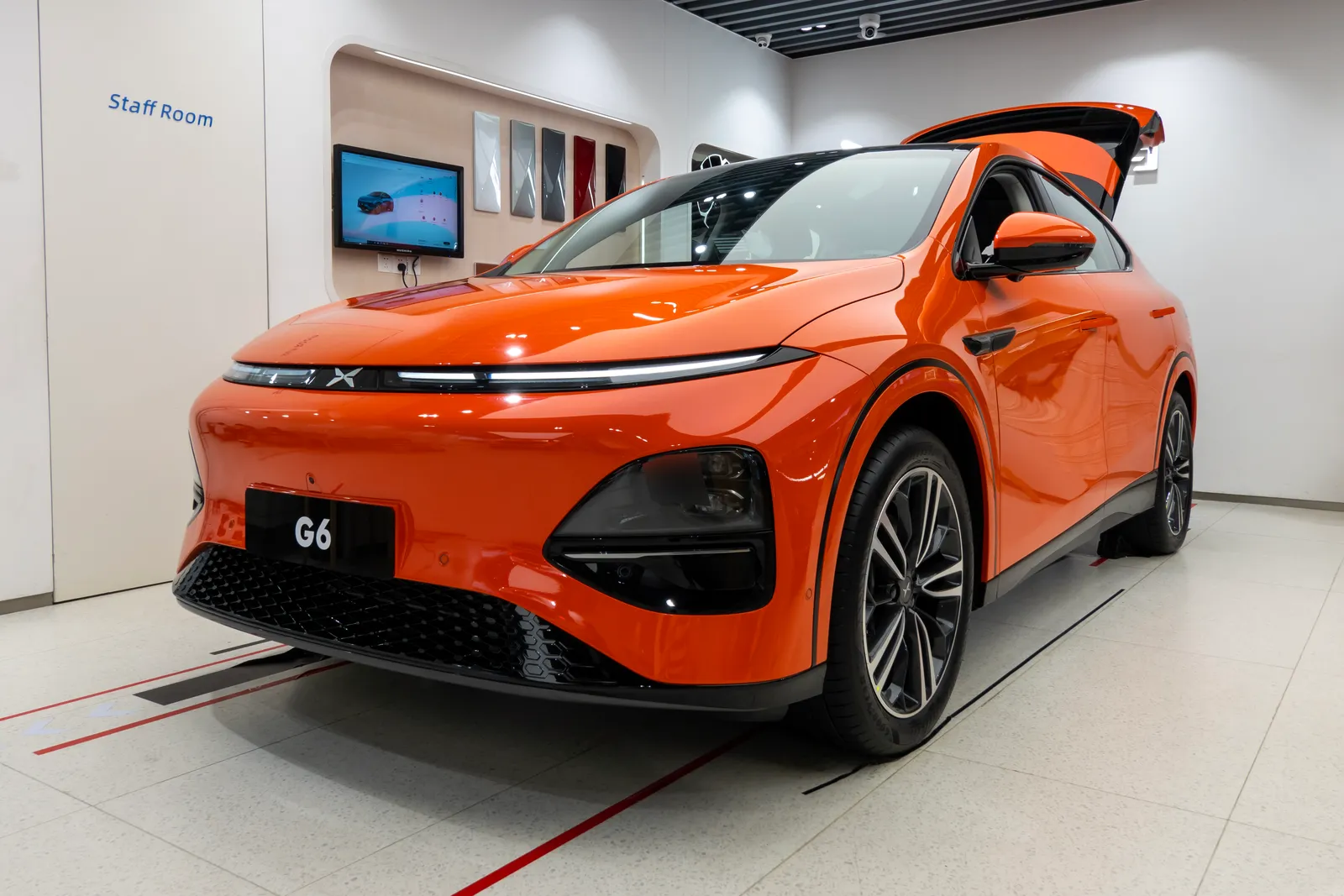
Chinese EV Maintenance in Europe: Service and Costs
Chinese EV reliability and maintenance: warranty, service intervals, costs and OTA updates for BYD, NIO, MG, XPeng in Europe.
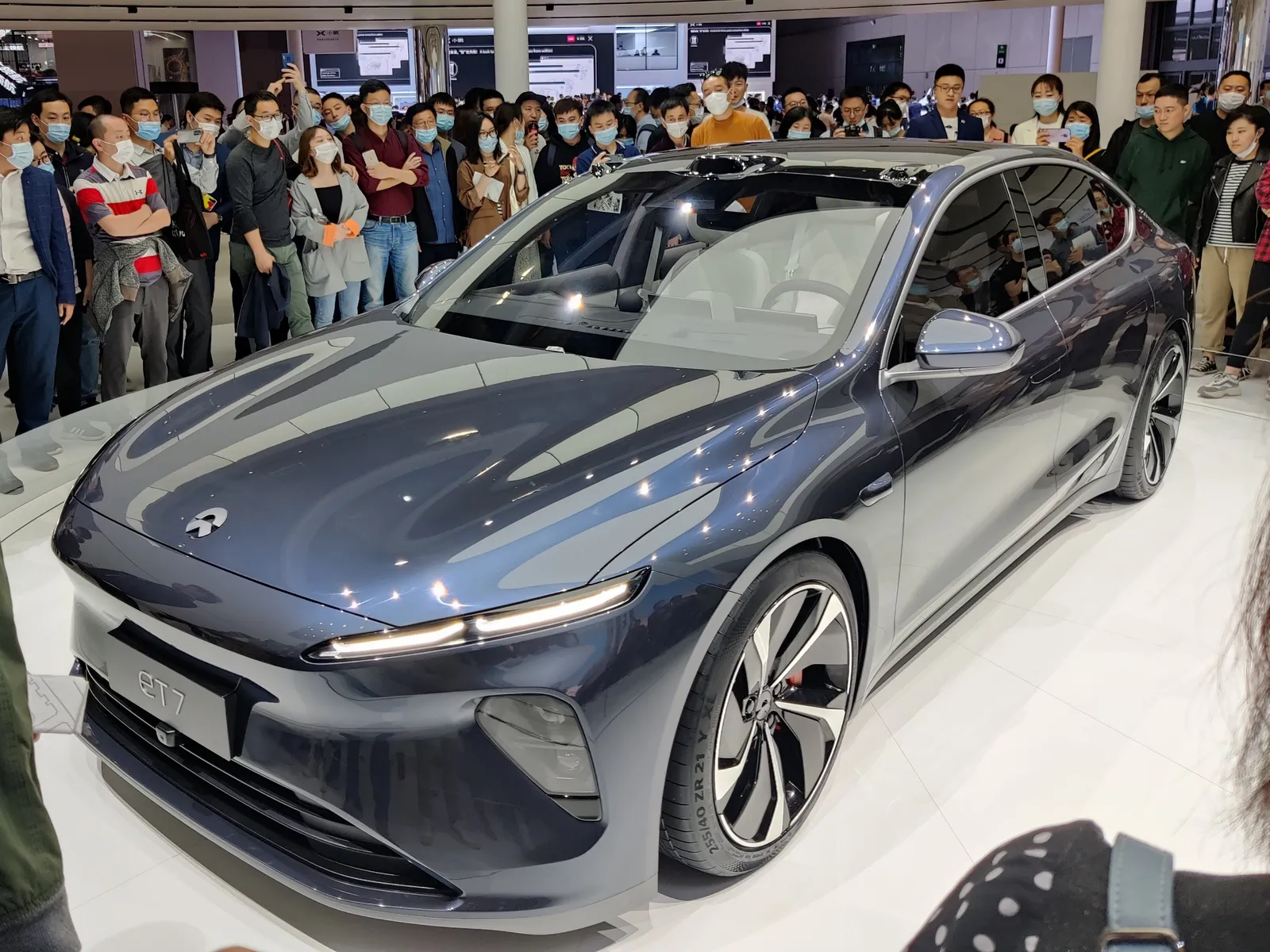
Chinese EV Problems: Common Issues and How to Avoid Them
Chinese EV problems: software glitches, build quality, recalls and how manufacturers are addressing them.
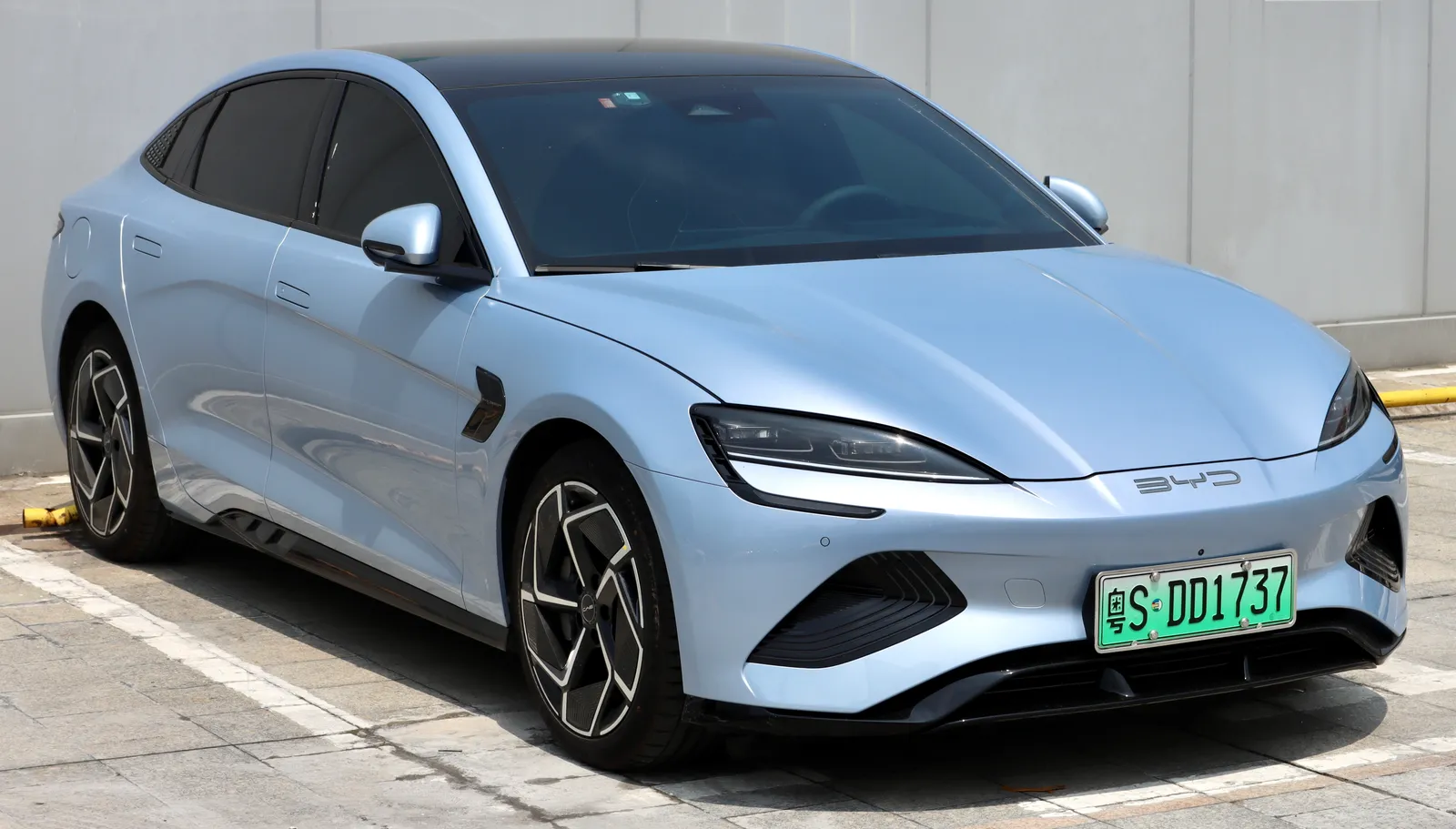
Are Chinese EVs Safe? Euro NCAP and Safety Ratings 2026
Are Chinese EVs safe? Chinese EV safety rating, Euro NCAP, crash tests and battery safety vs European brands.