Chinese EV Maintenance in Europe: Service and Costs
Chinese EV reliability and maintenance: warranty, service intervals, costs and OTA updates for BYD, NIO, MG, XPeng in Europe.
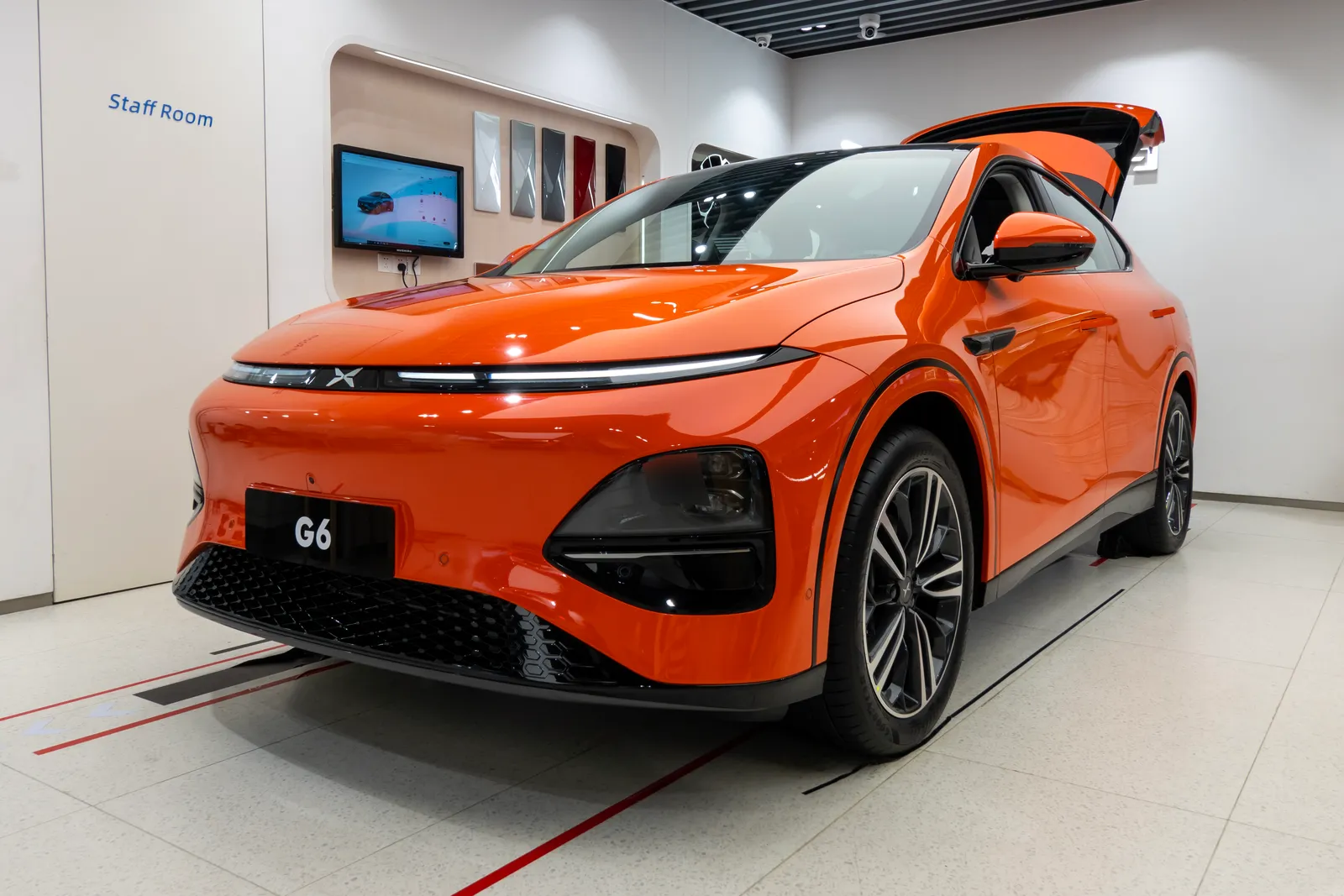
When I bought my first Chinese EV, I assumed maintenance would be similar to any other electric car. Chinese EV reliability and maintenance matter for long-term ownership. Mostly it was—fewer oil changes, regenerative braking easing brake wear—but warranty terms and service intervals varied more than I expected. BYD’s 8-year battery warranty stood out; MG’s 7-year coverage was close behind. This guide covers warranty, service intervals, costs, and OTA updates for BYD, NIO, MG, XPeng, and Zeekr in Europe. For the full ownership picture, see our Chinese EV reliability guide and Chinese EV dealers guide.
Warranty Coverage by Brand
Warranty terms vary significantly between Chinese EV manufacturers, with some offering exceptionally thorough coverage that rivals or exceeds European competitors.
BYD Warranty Terms
BYD offers some of the most competitive warranty coverage in the European market. As of January 2026, BYD updated their battery warranty to 8 years or 250,000 kilometers (whichever comes first), representing a significant improvement from previous terms. This extended warranty applies to both new and existing customers, demonstrating BYD’s confidence in their battery technology.
The complete BYD warranty package includes:
- Vehicle warranty: 6 years or 150,000 km
- Battery warranty: 8 years or 250,000 km with a minimum 70% State of Health guarantee
- Drivetrain warranty: 8 years or 150,000 km
- Rust perforation: 12 years unlimited kilometers
Coverage extends across the European Economic Area (EEA), Switzerland, and the United Kingdom. The warranty is transferable to subsequent owners, which helps maintain resale value. Note that the extended battery warranty excludes the eTP3 electric van model.
NIO Warranty Terms
NIO operates a direct sales model with extensive service offerings, though specific warranty details are less publicly available than other brands. The company emphasizes their “Service Guardian” system and worry-free ownership experience, but detailed warranty terms for European markets aren’t widely published. NIO’s service approach focuses on full support rather than traditional warranty documentation.
MG Warranty Terms
MG provides competitive warranty coverage with 84 months (7 years) or 150,000 kilometers for vehicles registered in Europe after January 1, 2021. This detailed warranty includes:
- Vehicle warranty: 84 months or 150,000 km
- Battery warranty: 84 months or 150,000 km (covers high-voltage battery pack)
- Drivetrain warranty: 84 months or 150,000 km (covers drive motor, power electronic box, vehicle control unit)
The warranty is transferable and covers wear and tear items (excluding tyres) for the first 24 months or before the first scheduled service. UK warranty terms differ slightly: 12 months unlimited miles or up to 7 years and 80,000 miles, whichever comes first.
XPeng Warranty Terms
XPeng operates Delivery and Service Centers across Northern Europe (Netherlands, Norway, Germany, Denmark, Sweden) with plans for expansion into France, Italy, and the UK. However, specific warranty terms aren’t detailed in publicly available sources. The company focuses on direct sales and service delivery, but warranty documentation isn’t as transparent as BYD or MG.
Zeekr Warranty Terms
Zeekr plans full Western Europe presence by 2026, currently operating service centers in Stockholm and Amsterdam (European headquarters). Like other premium Chinese EV makers, Zeekr uses a direct sales model with company-owned service centers. The brand operates over 300 aftersales repair shops in China, suggesting extensive service infrastructure, but European warranty details aren’t publicly specified.
Summary: BYD leads with the most complete warranty coverage, particularly the updated 8-year/250,000 km battery warranty. MG offers competitive 7-year coverage, while NIO, XPeng, and Zeekr maintain service networks but publish less detailed warranty information. On whether Chinese EVs are safe, safety ratings and build quality are covered in our Chinese EV safety guide; maintenance and warranty support add to ownership confidence.
Service Intervals and Maintenance Schedules
Electric vehicles require significantly less maintenance than internal combustion engine vehicles, but following manufacturer-recommended schedules remains essential for warranty preservation and optimal performance.
Recommended Service Intervals
BYD: Follow owner’s manual recommendations. BYD emphasizes using genuine spare parts and following maintenance procedures to maintain warranty coverage. Specific intervals aren’t detailed in publicly available sources, but owners should consult their vehicle’s manual for precise schedules.
MG: Service intervals are 15,000 miles (or 10,000 miles for certain models) or every 12 months, whichever comes first. The maintenance schedule includes:
- Year 1 / 15,000 miles: Pollen filter, key batteries, brake fluid check, coolant check
- Alternating years: Pollen filter replacement, key batteries, brake fluid replacement, coolant replacement
For MG5 Electric models, the Regular Maintenance Plan includes Type A and Type B inspections at specific intervals: 24,000/12 months, 48,000/24 months, 72,000/36 months, 96,000/48 months, 120,000/60 months, 144,000/72 months, 168,000/84 months, and 192,000/96 months.
MG requires full service history using genuine parts and fluids. Services must be completed within 1,500 km or 28 days of the recommended interval to maintain warranty coverage. Regular equalizing charges are recommended at least monthly for high-voltage battery performance.
NIO, XPeng, Zeekr: Specific service intervals aren’t publicly detailed, though all operate full service systems. Owners should consult their vehicle documentation or contact service centers directly for maintenance schedules.
General EV Maintenance Requirements
EVs have different maintenance needs than ICE cars. Brake pads last longer thanks to regen; tyres, suspension, cabin filters, and wipers follow normal intervals. Electric motors and batteries need minimal maintenance beyond the manufacturer schedule. No engine oil, transmission fluid, spark plugs, or exhaust—so many traditional service items drop away.
Maintenance Costs and Service Pricing
Chinese EV brands offer competitive maintenance costs, often significantly lower than European legacy manufacturers.
Typical Service Costs
BYD: Average repair costs in 2024 were approximately £2,392, more than 30% lower than average for other battery electric vehicles. Labour costs exceed parts costs, which differs from European manufacturers where parts typically cost more than labour.
MG: Average repair costs range from £2,300 to £2,400, significantly affordable compared to European legacy manufacturers. Like BYD, labour costs exceed parts costs, reflecting the brand’s competitive pricing strategy.
NIO, XPeng, Zeekr: Cost data isn’t publicly available, though all brands emphasize thorough service offerings. Direct sales models may offer different cost structures compared to dealer-based networks.
Cost Comparison with European Brands
EV maintenance costs are 65-70% lower than petrol cars over 8 years or 120,000 km. City car users see 55-65% savings over 3 years. Overall EV repair costs dropped 6% year-on-year in 2024, returning to 2022 levels. Parts costs fell 7% while paint costs rose 10%.
Cost savings factors include:
- Fewer mechanical components
- No engine oil or filter changes
- Regenerative braking extends brake life
- Minimal electric motor maintenance
Chinese EV brands (BYD, MG) show competitive repair pricing, with labour costs exceeding parts costs—the opposite pattern of European legacy manufacturers. This cost structure benefits owners through lower overall maintenance expenses.
Service Network and Availability
Service network availability varies significantly between brands, with some using traditional dealer networks while others employ direct sales models with company-owned service centers.
Service Center Locations by Brand
BYD: Operates a dealer-based service network with multiple dealerships across Europe, including Germany, France, UK, Netherlands, Norway, Italy, Spain, and other European markets. A store locator is available on the BYD Europe website to find nearby sales and service locations.
NIO: Uses direct sales with service centers alongside delivery locations. The company operates Power Swap Stations (PSS) across Europe for battery swapping, providing an additional service dimension beyond traditional maintenance.
MG: Operates a dealer-based service network across Europe, though specific service center locations aren’t detailed in publicly available sources. The brand maintains established dealer relationships for both sales and service.
XPeng: Operates direct sales with Delivery and Service Centers in Northern Europe:
- Norway: Lørenskog (opened February 2023)
- Netherlands: Badhoevedorp (opened Q2 2023) with training facility and spare parts hub at Schiphol
- Sweden: Stäket, Järfälla (opened Q2 2023)
- Denmark: Hillerød (opened May 2023)
XPeng also maintains authorized service locations across countries and agreements with local service platforms (e.g., Denmark’s OmniCar).
Zeekr: Operates direct sales with company-owned service centers:
- Sweden: Stockholm (opened 2023)
- Netherlands: Amsterdam (opened 2023, European headquarters)
Zeekr plans full Western Europe presence by 2026, expanding from the current two primary locations.
Mobile Service Options
Mobile service availability isn’t explicitly confirmed for most Chinese EV brands in publicly available sources. BYD offers complete service support including roadside assistance through their European portal, but specific mobile service capabilities aren’t detailed. NIO describes their service as a “one-stop service system” with Service Guardian features, emphasizing extensive offerings for worry-free car use, though mobile service specifics aren’t published.
The growing network of specialized EV service centers across Europe supports reduced maintenance needs. Chinese brands are expanding service infrastructure as market presence grows, with both dealer-based and direct sales models contributing to network expansion.
OTA Software Updates
Over-the-air (OTA) software updates are a key advantage of modern EVs, allowing manufacturers to improve functionality, fix issues, and add features without requiring service center visits.
Software Update Process
NIO: Offers regular firmware-over-the-air updates, with the 19th update since Banyan’s European debut in late 2022. Recent updates include Banyan 2.4.2 (2024) with improvements to charging functions, enhanced navigation with turn bubbles at junctions showing street names, NOMI AI assistant improvements, better handling of closed roads and automatic detours, more accurate DC fast charger power calculations, and reduced communication issues with Alpitronic chargers. Updates are specifically tailored for European markets.
XPeng: Actively rolls out software updates to European customers. Recent updates include:
- XOS 5.8.0 (August 25, 2025): Human-Machine Co-Driving (first automaker in Europe to offer this standard feature) and Pet Mode
- XOS 5.2.0 (August 2024): AI Dimensity XOS with significant XNGP upgrade for Germany, Norway, Denmark, Sweden, Netherlands, and France
XPeng emphasizes that AI and software upgrades are entering a “super-fast cycle,” with regular over-the-air software updates improving vehicle capabilities.
Zeekr: Releases regular OTA updates for European models. OS 1.2 (2024) for the Zeekr 001 European model included:
- Charging refinements: manual pre-conditioning activation, optimized battery pre-heating
- Driving assistance: front camera proactive heating, smoother Lane Keep Assist
- Navigation: charge level estimation, smart charging stop planning
- Infotainment: Sentry mode security system, factory reset option
BYD and MG: OTA update information isn’t publicly detailed for European markets, though both brands likely offer software update capabilities.
Update Benefits
OTA updates provide numerous benefits:
- Improved charging functionality
- Enhanced navigation and route planning
- Better driver assistance systems
- Infotainment system improvements
- Battery management optimizations
However, frequent OTA updates create practical challenges for independent repair shops accessing technical information, as systems evolve rapidly and documentation may lag behind software versions.
Parts Availability and Independent Repair
Parts availability and independent repair access present challenges for Chinese EV owners, with manufacturers maintaining tight control over parts distribution.
Genuine Parts Access
Genuine parts are available through authorized dealer networks for all Chinese EV brands. During warranty periods, only original parts from authorized dealers can typically be used, and warranty claims are typically voided if unauthorized repairs occur.
Chinese automakers maintain tight control over parts distribution, restricting availability primarily to authorized dealers. Battery packs and high-voltage components typically require a “replace only” approach at authorized service centers rather than individual component repairs. BYD emphasizes using genuine spare parts to maintain vehicle performance and preserve warranty coverage.
Independent Repair Shop Options
Independent repair shops face significant challenges when working with Chinese EVs:
Access Challenges:
- Limited access to genuine parts
- Restricted access to diagnostic tools and repair data
- Technical information access limitations
- Parts distribution primarily through authorized channels
Warranty Restrictions: Unauthorized repairs void warranty coverage. For MG vehicles (and likely similar for other brands), the high-voltage battery cannot be opened or removed by anyone other than authorized repairers.
Market Barriers:
- Chinese OEMs favor traditional dealership networks for market entry
- Limited aftermarket work beyond basic maintenance available to independent shops
- Rapid evolution of EV technology and frequent OTA updates create enforcement challenges
- Complete system replacement often required rather than individual component repairs
Regulatory Context: UK regulations nominally require spare parts and technical information access for professional repairers, but practical enforcement faces challenges similar to those seen in China’s market. Chinese automakers have been known to take legal action regarding EV repairs, creating warnings for UK independents.
Future Outlook: With Chinese EVs expected to reach 13.8% European market share by 2030, independent repair shops must adapt to new brand requirements or face reduced business opportunities. The growing presence means repair infrastructure must evolve to support these vehicles.
Parts Cost Structure: For Chinese brands (BYD, MG), labour costs exceed parts costs, differing from European legacy manufacturers where parts typically cost more than labour. This cost structure reflects competitive pricing strategies and different supply chain approaches.
Maintenance Tips and Best Practices
Following proper maintenance practices extends vehicle life, preserves warranty coverage, and optimizes performance.
Battery Care and Charging
Optimize Charging Methods: Use AC charging at moderate speeds as much as possible rather than frequent DC fast-charging. This better balances the battery and prevents polarization, maximizing available energy.
Charge to Medium Levels for Storage: If your EV will be unused for extended periods, charge the battery to a medium level rather than 100%. Batteries drain faster at full charge and can also cause excessive discharge if left too long at very low states of charge.
Keep Charging Sockets Dry: Before charging, ensure the charging socket is completely dry and clean. After charging, properly replace both protective covers to maintain watertightness.
Schedule Overnight Charging: Use smartphone apps to schedule charging sessions during off-peak hours, reducing costs and ensuring a full charge when needed.
Regular Equalizing Charges: For MG vehicles, perform regular equalizing charges at least monthly to maintain high-voltage battery performance.
Temperature Management
Avoid Extreme Temperatures: Very cold conditions reduce range and battery performance, while prolonged exposure to high heat decreases battery performance. Park in a garage when possible to maintain optimal battery temperature.
General Maintenance Advice
Protect Against Rodents: Prevent mice and martens from nesting in your vehicle, especially in rural or wooded areas. They can damage wiring and high-voltage cables, creating safety and fire risks.
Follow Manufacturer Schedules: Maintain full service history using genuine parts and fluids. Complete services within recommended intervals (typically within 1,500 km or 28 days for MG) to preserve warranty coverage.
Use Genuine Parts: Always use genuine spare parts and follow maintenance procedures outlined in the owner’s manual to maintain vehicle performance and preserve warranty coverage.
Maintain Service Records: Keep detailed service history records. For MG vehicles, warranty requires full and accurate service history. This is likely important for other brands as well.
Cost Savings
EVs offer significant maintenance cost advantages:
- EVs require up to 23% lower service costs over three years compared to traditional vehicles
- Regenerative braking extends brake pad life
- No engine oil or filter changes required
- Fewer mechanical components mean less maintenance
- Schedule charging during off-peak hours to reduce electricity costs
Conclusion
Chinese EV maintenance in Europe offers competitive advantages through strong warranties, lower service costs, and growing service networks. BYD leads with exceptional warranty coverage, particularly the updated 8-year/250,000 km battery warranty. MG provides competitive 7-year coverage with clear service intervals. NIO, XPeng, and Zeekr operate complete service systems through direct sales models.
Maintenance requirements are significantly lower than traditional vehicles, with EVs requiring 65-70% lower costs over 8 years. Chinese brands offer competitive repair pricing, often 30% lower than other BEVs. Service networks are expanding rapidly, with both dealer-based and direct sales models supporting European customers.
OTA software updates provide ongoing improvements without service visits, though independent repair access remains limited. Following manufacturer maintenance schedules, using genuine parts, and maintaining proper battery care ensures optimal performance and warranty preservation.
As Chinese EV market share grows toward 13.8% by 2030, service infrastructure continues expanding. Owners benefit from competitive pricing, thorough warranties, and modern service approaches that prioritize convenience and cost-effectiveness.
Other Guides
Chinese EV Reliability: Data, Warranty & Brand Comparison
Chinese EV reliability: JD Power data, warranty, common issues. How BYD, MG, NIO compare to European brands. Are Chinese EVs reliable?
Are Chinese EVs Safe? Euro NCAP and Safety Ratings 2026
Are Chinese EVs safe? Chinese EV safety rating, Euro NCAP, crash tests and battery safety vs European brands.
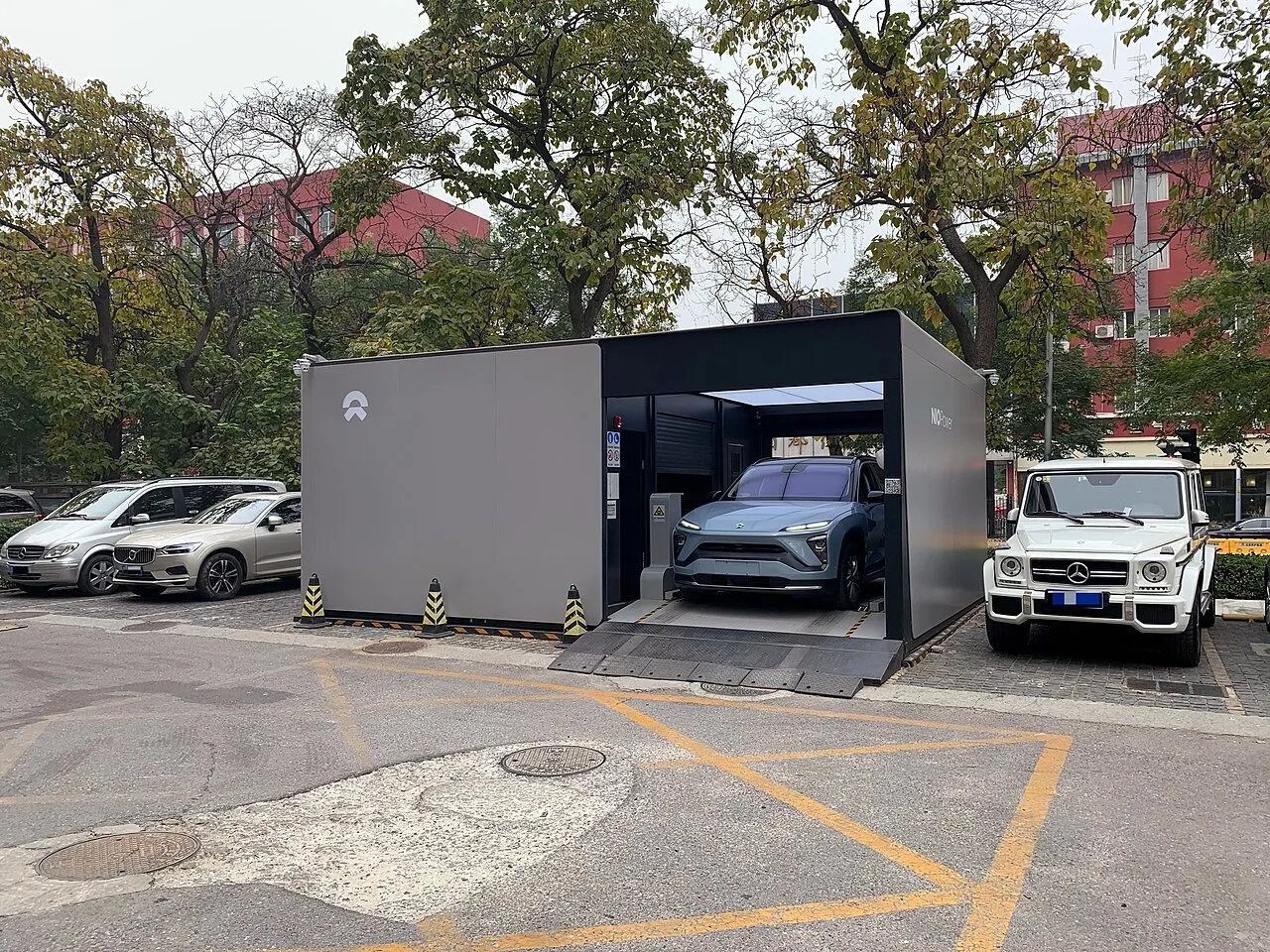
NIO Battery Swap: How It Works and What You Pay
NIO battery swap: 3-minute exchange, BaaS pricing, station locations. NIO electric car swap technology for European EV owners.