Chinese EV Problems: Common Issues and How to Avoid Them
Chinese EV problems: software glitches, build quality, recalls and how manufacturers are addressing them.
Chinese EV Problems: Common Issues and How to Avoid Them
When my BYD’s infotainment froze mid-journey, the first thing I did was search whether others had the same Chinese EV problems. Turns out they had—software glitches, charging quirks, the occasional recall. Chinese EVs deliver strong value and improving Chinese EV reliability, but Chinese EV issues are real. This guide covers what commonly goes wrong, how brands are fixing it, and how to reduce your risk before you buy. For the full reliability picture, see our Chinese EV reliability guide and maintenance guide.
Common Problems with Chinese EVs
J.D. Power’s 2024 China NEV Initial Quality Study put Chinese EVs at 210 problems per 100 vehicles (PP100), up 37 from 2023. International brands in China averaged 218 PP100, so the gap is narrowing. Design-related problems rose by 35—rapid development cycles likely play a role.
The most common Chinese EV problems fall into four areas: software and tech, build quality and manufacturing, battery and electrical, and brand-specific issues.
Software and Technology Issues
Software is one of the most reported Chinese EV issues. Fast development and heavy reliance on digital systems create unique risks.
Software Glitches and Infotainment Failures
Infotainment crashes and freezes are among the most common complaints. These systems control navigation, climate, and more—so when they fail, it’s disruptive. Connectivity and app dependency mean software failures can affect critical functions.
Xiaomi SU7 provides a recent example: In January 2025, the company recalled 30,931 vehicles due to a software defect affecting the intelligent parking assistance system. This was followed by another recall in September 2025 affecting over 115,000 SU7 vehicles for insufficient early warnings in the Level 2 highway pilot assisted driving system.
Assisted Driving System Problems
Advanced driver assistance systems (ADAS) have been a particular area of concern. Insufficient warnings, system failures, and over-reliance on technology have led to multiple recalls. The Chinese government recognized this issue by mandating regulatory approval for autonomous driving software upgrades in February 2025, specifically to prevent automakers from using over-the-air (OTA) updates to conceal defects.
XPeng faced regulatory scrutiny for releasing nine major OTA updates in less than nine months without proper regulatory registration. This rapid update cycle raised concerns about whether updates were addressing fundamental design flaws rather than improving functionality.
Connectivity and App Dependency Issues
Perhaps the most extreme example of software dependency problems occurred with WM Motor, which went bankrupt in October 2023. When the company shut down, owners lost app connectivity, infotainment functionality, and remote features entirely. This highlights a critical risk: vehicles that depend heavily on manufacturer-operated cloud services can become partially or completely disabled if the manufacturer fails.
An estimated 160,000 owners have been affected by Chinese EV manufacturer bankruptcies since 2020, losing critical vehicle functionality when companies ceased operations.
Build Quality and Manufacturing Problems
Build quality issues represent another significant category of Chinese EV problems. While Chinese manufacturers have improved dramatically, some persistent issues remain.
Component Design Flaws
Design-related problems increased by 35% in 2024, suggesting that compressed development timelines may be contributing to fundamental design issues. BYD recalled 44,535 vehicles from its Tang series (2015-2017 models) due to component design flaws, demonstrating that even established manufacturers face these challenges.
Manufacturing Defects
Battery installation problems have been particularly concerning. BYD recalled 71,248 Yuan Pro vehicles (2021-2022) due to battery installation manufacturing issues. These defects can lead to reduced performance, safety risks, and premature failure.
Steering system problems have also emerged. In September 2024, BYD recalled 97,000 Dolphin and Yuan Plus vehicles due to steering control unit manufacturing faults. XPeng faced similar issues with P7+ models experiencing power steering system failures that caused sudden lockups while driving.
Body and Interior Quality
While less critical than mechanical failures, body panel gaps, misalignment, and interior trim quality issues are frequently reported. These problems, while not safety-critical, affect the overall ownership experience and resale value.
Battery and Electrical Issues
Battery problems are among the most serious Chinese EV issues due to their impact on safety, range, and vehicle value.
Battery Pack Consistency Problems
BYD recalled nearly 90,000 Qin PLUS DM-i units in two batches during November 2025 for power battery pack consistency problems. These inconsistencies can lead to reduced range, uneven charging, and premature degradation.
Battery Installation and Manufacturing Defects
The same BYD Yuan Pro recall that addressed battery installation issues (71,248 vehicles) highlights how manufacturing processes can introduce defects that affect battery performance and safety.
Thermal Runaway and Fire Risks
Battery fires represent the most serious safety concern. High-profile incidents include a fatal Xiaomi EV fire in Chengdu and a Li Auto fire in Shanghai in late 2025. BYD recalled 6,843 Fangchengbao Bao 5 plug-in hybrids in January 2025 specifically for fire risks.
In response, China announced stricter EV battery technical standards in April 2025, implementing new crash impact and fast-charging tolerance tests effective July 2026. These regulations aim to prevent fires and explosions through more rigorous testing.
Electrical System Problems
Charging system problems, power delivery inconsistencies, and electrical component failures contribute to overall quality issues. While less dramatic than battery fires, these problems can significantly impact daily usability.
Brand-Specific Problems
Different Chinese EV brands face distinct challenges, making brand selection important for buyers concerned about Chinese EV problems.
BYD Specific Issues
As the world’s largest EV manufacturer, BYD has faced significant recall challenges. The company’s largest recall in history occurred in October 2025, affecting over 115,000 vehicles across Tang series and Yuan Pro models due to design flaws and battery installation issues.
BYD also faced customer service challenges, with over 4,700 complaints in February 2025 regarding pricing and feature availability. However, the company offers comprehensive warranty coverage: 6 years/150,000 km for the vehicle, and 8 years/150,000 km for the battery and drive unit.
Xiaomi SU7 Problems
Xiaomi entered the EV market in 2024 and quickly faced multiple software recalls. The SU7 sedan experienced two major recalls in its first year: 30,931 vehicles in January 2025 for parking assistance software defects, and over 115,000 vehicles in September 2025 for insufficient assisted driving warnings. These issues highlight the risks of buying from new brands with limited track records.
XPeng Specific Issues
XPeng has faced criticism for its approach to problem resolution. The company was accused of secretly replacing defective parts on a case-by-case basis rather than issuing comprehensive recalls for steering system failures in P7+ models. This approach, while potentially addressing individual problems, raises concerns about transparency and whether all affected vehicles receive proper repairs.
The company’s rapid OTA update cycle—nine major updates in less than nine months—also raised regulatory concerns about whether updates were addressing fundamental design flaws.
NIO and Quality Rankings
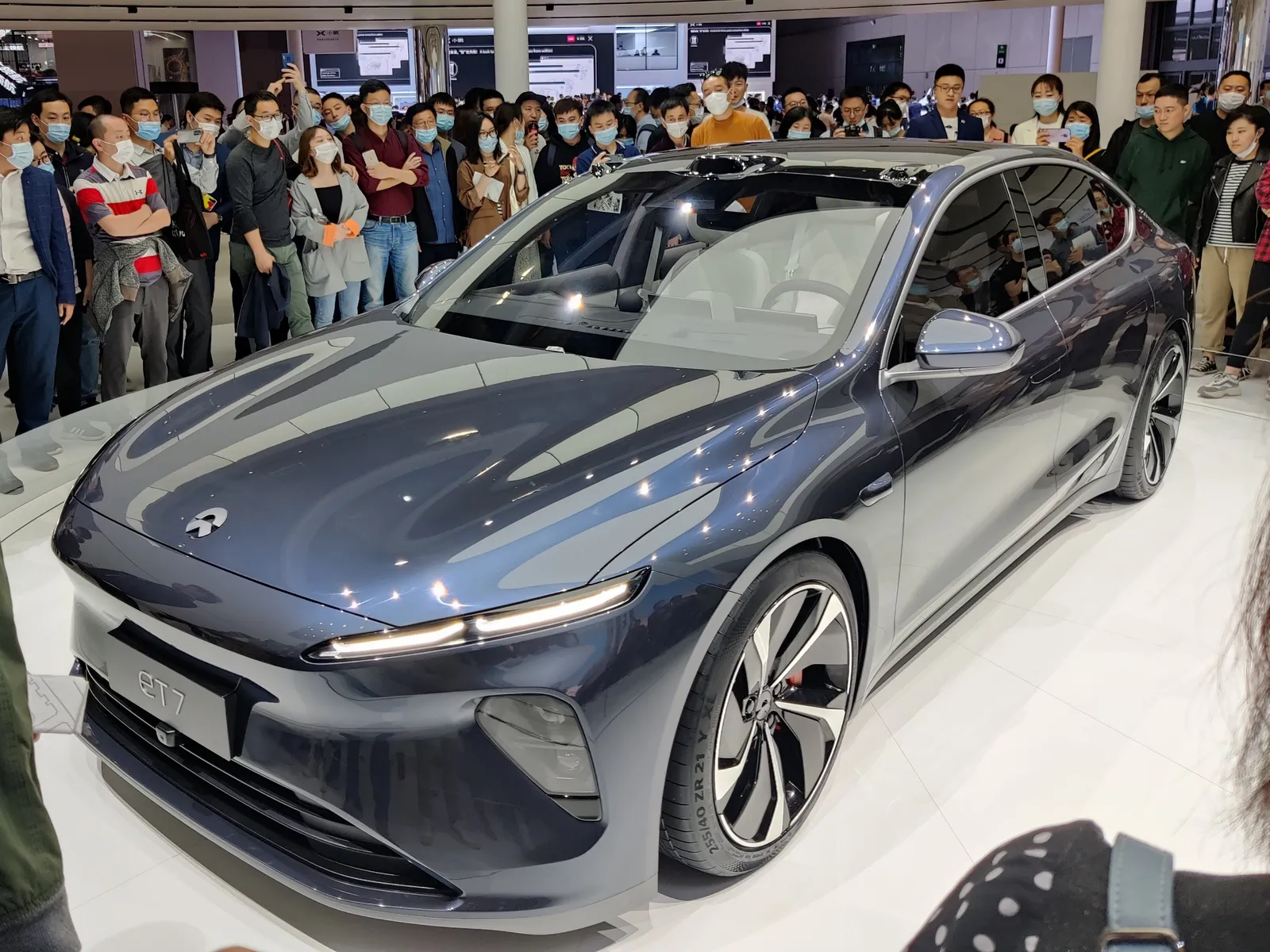
NIO stands out as having fewer reported issues. The Nio ET5 ranked among the highest quality vehicles in J.D. Power’s 2024 study, demonstrating that Chinese manufacturers can achieve high quality standards. NIO’s focus on premium positioning and established service networks appears to translate to better quality control.
WM Motor: The Bankruptcy Risk
WM Motor serves as a cautionary tale. When the company went bankrupt in October 2023, owners lost critical functionality including app connectivity, infotainment systems, and remote features. This extreme example highlights the importance of considering manufacturer financial stability when purchasing an EV heavily dependent on cloud services.
Major Recalls and Safety Concerns
Chinese EV manufacturers have issued significant recalls, with over 2 million vehicles recalled in 2024-2025. Understanding these recalls helps buyers make informed decisions.
Recalls by Brand and Model
BYD has issued multiple major recalls:
- October 2025: 115,000 vehicles (Tang series, Yuan Pro) for design flaws and battery installation issues
- September 2024: 97,000 vehicles (Dolphin, Yuan Plus) for steering control unit faults
- November 2025: 90,000 vehicles (Qin PLUS DM-i) for battery pack consistency problems
- January 2025: 6,843 vehicles (Fangchengbao Bao 5) for fire risks
Xiaomi recalls:
- January 2025: 30,931 SU7 vehicles for parking assistance software defects
- September 2025: 115,000 SU7 vehicles for insufficient assisted driving warnings
Safety Regulations and Standards
China has implemented stricter regulations to address these issues:
- February 2025: Mandatory regulatory approval for autonomous driving software upgrades
- April 2025: Stricter EV battery technical standards (effective July 2026)
- 2027: New safety standards for Level 2 automation vehicles
These regulatory changes demonstrate recognition of the problems and commitment to addressing them, but also indicate that current standards may be insufficient.
How Chinese EVs Compare to Other Brands
Understanding how Chinese EV problems compare to other manufacturers provides important context.
Quality Metrics Comparison
According to J.D. Power’s 2024 study:
- Chinese EVs: 210 problems per 100 vehicles
- Chinese startups: 201 PP100
- International brands in China: 218 PP100
Interestingly, Chinese-built Tesla Model 3 ranked second in quality behind Nio, and Chinese manufacturers like NIO and Zeekr achieved among the highest quality rankings in their segments. This suggests that the country of origin matters less than brand positioning and quality control processes.
Development Speed vs. Quality Trade-offs
Chinese manufacturers develop new models in an average of 18 months, compared to 5-10 years for traditional automakers. The average model age for Chinese EVs is 1.6 years versus 5.4 years for foreign brands. This rapid development cycle enables competitive pricing and feature innovation but may contribute to design-related problems.
The trade-off is clear: faster development cycles and competitive pricing (15-25% less than comparable Western models) come with increased risk of design flaws and compressed validation timelines.
How Manufacturers Address Problems
Understanding how Chinese EV manufacturers handle problems is crucial for buyers.
Recall Process
Chinese manufacturers address problems through official recalls coordinated with market regulators. Repairs are performed free of charge at authorized service centers. For software issues, OTA updates are used, though these now require regulatory approval as of February 2025.
Warranty Coverage and Customer Service
Standard warranty coverage in China includes:
- Vehicle warranty: 6 years or 150,000 km (whichever comes first)
- Battery warranty: 8 years or 150,000 km for power battery
- Drive unit warranty: 8 years or 150,000 km for drive unit
China’s “Three Guarantees” regulations provide additional protection:
- Free replacement/return: Within 7 days for faulty engines, transmissions, traction batteries, or drive motors
- Free repair/return: Within 60 days (up to 3,000 km) for steering/brake failures, body cracks, fuel leaks, or battery fires
- Mandatory replacement: If vehicle requires more than 2 repairs for same safety issue or repairs exceed 30 days total
- Response time: Sellers must respond within 10 business days
Service Support
XPeng offers comprehensive European support including 24/7 roadside assistance, remote diagnostics, and mobile app scheduling. BYD operates authorized service centers but requires genuine spare parts—warranty may be voided if non-genuine parts are used.
Challenges
Limited service networks in some regions, particularly for parallel-imported vehicles, can complicate problem resolution. Software dependency means manufacturer shutdowns can disable vehicles entirely. Some manufacturers have been accused of case-by-case repairs instead of comprehensive recalls, raising transparency concerns.
Buyer’s Guide: What to Check Before Purchasing
For buyers concerned about Chinese EV problems, thorough research and inspection can help avoid common issues.
Pre-Purchase Inspection Checklist
Battery and Range:
- Demand WLTP-certified range figures (not NEDC, which is less realistic)
- Verify that climate control usage is included in range claims
- For used EVs: Check battery health reports from third-party inspectors (SGS, Bureau Veritas)
- Prefer models made after 2021 for updated safety features
- Verify battery type: LFP (safer, longer-lasting) vs. NMC (higher energy density)
Safety Certification:
- Confirm Euro NCAP or ASEAN NCAP crash test results
- Verify the specific variant’s rating (export models may differ from domestic versions)
- Avoid models without third-party crash test data
Charging Compatibility:
- Ensure CCS Combo compatibility with local charging infrastructure
- Verify local charger compatibility before purchase
- Check service network coverage in your area
Software and Updates:
- Verify over-the-air update support
- Check manufacturer’s track record for software support
- Avoid brands with unstable financial situations (risk of shutdown)
General Inspection:
- Third-party inspection for used vehicles
- Check for component design flaws
- Verify battery installation quality
- Test steering and electrical systems
- Review service history and recall status
Red Flags to Avoid
Certain warning signs indicate higher risk of Chinese EV problems:
- Models without third-party crash test data - Safety cannot be verified
- Limited charging compatibility - May restrict usability
- Unverified sellers without government-approved export licenses - May lack warranty support
- Ideal-condition-only range claims lacking real-world testing - Range may be overstated
- No OTA update support - Software issues may not be fixable
- Limited service networks - Repairs may be difficult
- Brands with recent bankruptcy filings or financial instability - Risk of losing functionality
- Models with multiple recent recalls - May indicate fundamental design problems
- Excessive OTA updates without regulatory registration - May indicate ongoing problems
- Secret part replacements avoiding official recalls - Transparency concerns
Recommended Brands and Models
Based on quality rankings and track records, buyers concerned about Chinese EV issues may want to consider:
- BYD: Largest global EV maker with proven battery technology and Blade Battery safety features, despite recent recalls
- NIO: High quality rankings, established service network, premium positioning
- XPeng: Comprehensive European support, though transparency concerns exist
- Zeekr: High quality rankings in J.D. Power study
Brands and Models to Approach with Caution
- New brands with limited track records: Xiaomi SU7 experienced multiple recalls in its first year
- Brands with financial instability: WM Motor bankruptcy left owners without critical functionality
- Models with no crash test data: Safety cannot be verified
- Parallel-imported vehicles without local service support: Warranty and service may be unavailable
Conclusion
Chinese EVs offer strong value—competitive pricing, advanced features, improving quality. Chinese EV problems (software, build quality, battery, recalls) are real and worth weighing.
The industry is responding: stricter rules, mandatory recalls, solid warranties, better quality metrics. Buyers who verify Euro NCAP for their trim, check CCS2 compatibility, and avoid red flags can find reliable Chinese EVs. The trade-off: faster development and lower prices often come with higher risk of design issues. Brands like NIO and Zeekr show that Chinese makers can hit high quality. Prioritise brand track record, warranty, service network, and a thorough pre-purchase check.
Last Updated: January 28, 2026
This guide provides an honest assessment of Chinese EV problems based on documented recalls, quality studies, and industry reports. Always verify current information with official dealers and check for recent recalls before making purchase decisions.
Other Guides
Best Value Chinese EV Europe: Affordable Picks by Budget
Best value Chinese EV and cheapest chinese ev europe: features per euro, TCO, affordable Chinese EV picks. Expert rankings 2026.
BYD Europe Price List 2026: All Models and Trim Costs
BYD Europe price: full model list, trims, UK/Germany/France. BYD price list Europe from €19,990 to €71,000.
Cheapest Chinese EVs in Europe: Budget Options 2026
Cheapest Chinese EV Europe: budget options under €30,000. Specs, prices, incentives and real-world value. Leapmotor T03, MG4, BYD Dolphin.