Chinese EV FAQ: Safety, Reliability, Pricing Answered
Chinese EV FAQ: are chinese evs safe, chinese ev reliability, pricing and buying. Honest answers for European buyers.
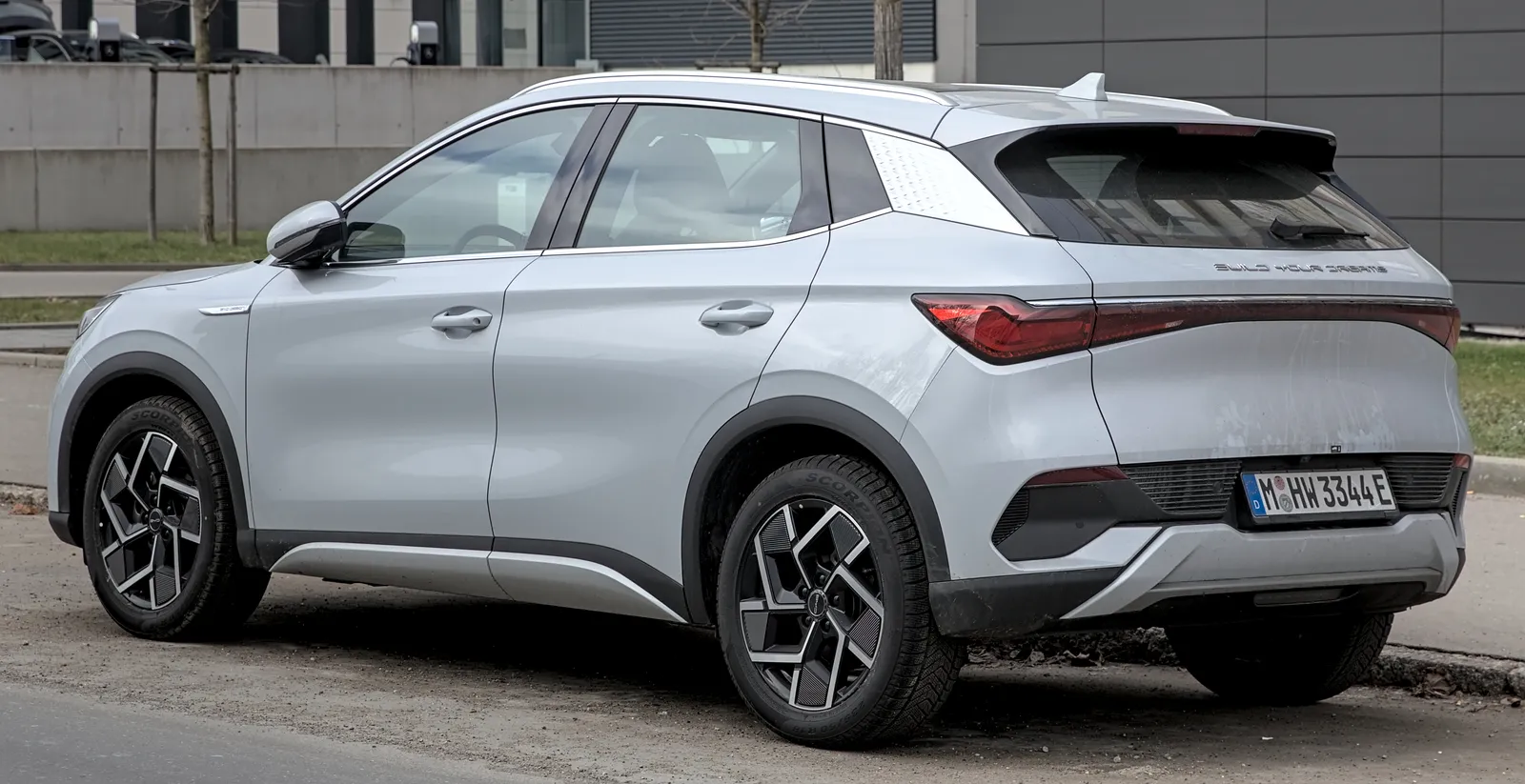
Chinese EVs in Europe: FAQ & Common Questions 2026
When I answer Chinese EV questions from readers, the same themes keep coming up: Are they safe? Will the warranty hold? What about resale? Chinese EVs now account for 8% of new EV sales in Europe—BYD quadrupled sales in Q1 2025, MG leads in the UK—so these questions matter. This Chinese EV FAQ addresses availability, safety, reliability, pricing, and the myths that still circulate. For deeper dives, see our Chinese EV safety guide, how to buy Chinese EV, and Chinese EV reliability guide.
Availability & Brands
Which Chinese EV brands are available in Europe?
The main Chinese EV brands in Europe are BYD, MG (SAIC Motor), NIO, XPeng, Zeekr, Leapmotor, Great Wall Motor, and Chery.
MG is the best-selling Chinese EV brand in Europe (around 80% of Chinese EV sales), with strong dealer networks and models like the MG4 from €25,990. BYD has grown fast: 10 models, sales quadrupled in Q1 2025 to 37,201, available in 20+ countries. Key models: Dolphin from €18,000, Atto 3, Seal, Han.
NIO and XPeng have showrooms in major cities (e.g. Berlin); NIO offers battery swap, XPeng focuses on autonomy. Zeekr and Leapmotor are expanding—Leapmotor’s T03 starts from €15,000.
Are Chinese EVs available in my country?
Chinese EV availability varies by country. BYD is available in 20+ European countries and plans to enter 12 new markets in 2025. MG has broader coverage with established dealer networks across Western Europe. NIO and XPeng are primarily in major markets like Germany, Netherlands, Norway, and the UK, with NIO expanding to seven additional markets.
Check manufacturer websites for dealer locators: BYD at byd.com/eu/find-store, MG at mg.co.uk.
What Chinese EV models can I buy in Europe?
Popular Chinese EV models available in Europe include:
Entry-Level Models:
- Leapmotor T03: From €15,000, compact city car
- BYD Dolphin: From €18,000, compact hatchback with 340km WLTP range
- BYD Dolphin Surf: From €22,990, 322 km range
Mid-Range Models:
- MG4: €25,990-€38,000, award-winning hatchback with 350-520km range
- MG ZS EV: Compact SUV option
- BYD Atto 3: Compact SUV starting around €38,990 in Germany
- XPeng G6: Mid-size SUV with advanced technology
- XPeng P5: Sedan option
Premium Models:
- BYD Seal: Premium sedan with 5-star Euro NCAP rating (89% adult occupant protection)
- BYD Han: Premium sedan
- NIO ES6: Premium SUV
- NIO EL8: Flagship SUV
- Zeekr 001: Premium fastback
- Zeekr 007: Premium sedan
All models sold in Europe are specifically engineered for EU standards with Euro NCAP testing, right-hand-drive options where needed, and EU battery compliance. They use Type 2 and CCS charging connectors, making them fully compatible with European charging infrastructure.
How fast is the Chinese EV market growing in Europe?
Chinese EVs accounted for 8% of new EV sales in Europe in 2023, up from 6% in 2022 and 4% in 2021. BYD sales quadrupled in Q1 2025 to 37,201 cars, even outselling Tesla in the EU in August and September 2025. At least 11 new Chinese models are expected by 2025.
However, Chinese brands face challenges: lower brand recognition (except MG), EU tariffs of 17-35.3%, and European automakers launching 11 new models under €25,000 in 2025. They cannot replicate their home market dominance due to tariffs, competition, and consumer preferences.
Safety & Reliability
Are Chinese EVs safe?
Yes. Are chinese evs safe is a common question—Chinese EVs sold in Europe undergo full Euro NCAP crash testing and meet all EU safety standards. They are engineered specifically for European markets, not rebadged domestic versions.
BYD features Blade Battery safety technology, which has passed rigorous safety tests including nail penetration and extreme temperature testing. The BYD Seal achieved a 5-star Euro NCAP rating with 89% adult occupant protection, while the BYD SEALION 7 achieved 93% child occupant protection—the highest score in that category over nine years.
MG models also have strong safety credentials, with multiple models achieving high Euro NCAP ratings.
However, European officials have raised cybersecurity concerns about data access and potential espionage risks, particularly for government vehicles. These concerns primarily affect institutional buyers rather than individual consumers, but it’s worth understanding the broader context.
What are the cybersecurity concerns with Chinese EVs?
European Parliament members and UK ministers have raised concerns about in-vehicle data access and potential data exploitation. China has strict rules on automotive companies sending data outside its borders, creating questions about data security.
Some governments are considering excluding Chinese EVs from government procurement programs. For individual consumers, standard EU data protection laws apply. Fleet or government buyers should consult organizational policies regarding Chinese-made vehicles.
How reliable are Chinese electric vehicles?
Chinese ev reliability is strong for major brands: Chinese EVs are engineered for EU standards and undergo rigorous testing. BYD and MG offer comprehensive warranties that demonstrate confidence in their products:
- MG: 7-year/150,000 km warranty coverage
- BYD: Extensive NEV warranty covering power battery, drive unit, lead-acid starter battery, bodywork anti-corrosion (certain models), paint (certain models), and basic coverage on other components
However, Chinese EVs experience faster depreciation (45% after 1 year, 58% after 2 years) compared to premium brands. This may reflect consumer perception and brand recognition issues rather than actual reliability problems. Premium Chinese brands like NIO show better resale value retention (91% and 71%), suggesting that brand positioning matters more than country of origin.
Do Chinese EVs have good build quality?
Chinese EVs sold in Europe are built to EU standards with high interior quality. BYD emphasizes premium materials and modern infotainment systems, while MG focuses on sporty handling. These vehicles are specifically designed for European markets with right-hand-drive options, EU battery compliance, Euro NCAP testing, and Type 2/CCS charging compatibility. They are not rebadged domestic versions.
Pricing & Value
How much do Chinese EVs cost in Europe?
Chinese EVs offer competitive pricing across different segments:
Entry-Level:
- Leapmotor T03: From €15,000
- BYD Dolphin: From €18,000
- BYD Dolphin Surf: Starts at €22,990 (322 km range)
Mid-Range:
- MG4: From €25,990
- BYD Atto 3: From around €38,990 in Germany
The average Chinese EV costs around €25,200, roughly 32% lower than non-Chinese imports. However, prices are higher than in China due to import costs, tariffs (up to 35.3%), and logistics expenses.
Are Chinese EVs cheaper than European alternatives?
Yes, Chinese EVs are significantly cheaper than European alternatives. The average Chinese EV costs around €25,200, which is:
- 32% lower than non-Chinese imports
- 16% below the average EV price in Europe
However, Chinese brands cannot replicate their home market pricing due to:
- Import costs: Shipping, customs clearance, and logistics
- EU tariffs: 17-35.3% depending on manufacturer (implemented November 2024)
- Compliance costs: EU homologation and certification requirements
- Dealer margins: Established dealer networks require margin structures
The price advantage is significant but not as dramatic as in China, where aggressive pricing and government subsidies create different market conditions.
What are the EU tariffs on Chinese EVs?
The EU has imposed definitive countervailing duties effective October 30, 2024, applying for five years:
- BYD Group: 17.0%
- Geely Group: 18.8%
- SAIC Group (MG): 35.3%
- Tesla Shanghai: 7.8%
- Other cooperating companies: 20.7%
- Non-cooperating companies: 35.3%
These tariffs are in addition to the standard 10% EU car import duty. Chinese manufacturers can submit price undertaking offers as an alternative to tariffs, which involves committing to minimum prices. The EU Commission issued guidance on price undertaking submissions in January 2026, indicating ongoing negotiations.
The tariffs have impacted pricing and market dynamics, with Chinese EV sales growth slowing in Western Europe and holding steady at 1.6% market share in early 2025.
Buying & Ownership
Should I buy a Chinese EV in Europe?
Chinese EVs offer excellent value with competitive pricing, good range (400+ km), fast charging capabilities, and modern features. However, consider these factors:
Advantages:
- Competitive pricing (32% lower than non-Chinese imports on average)
- Strong safety ratings (multiple 5-star Euro NCAP models)
- Comprehensive warranties (MG: 7-year/150,000 km)
- Modern technology and features
- Growing dealer networks
Considerations:
- Brand recognition is lower (except MG)
- Tariffs create pricing uncertainty
- Dealer networks are still expanding in some regions
- Resale values depreciate faster than premium brands
- Service network coverage varies by region
If you prioritize value and don’t mind lower brand prestige, Chinese EVs are worth considering. They’re particularly attractive for buyers seeking modern electric mobility at competitive prices.
What should I consider before buying a Chinese EV?
Key considerations: (1) Verify local warranty terms and dealer availability, (2) Understand faster depreciation (45% after 1 year), (3) Consider brand recognition (lower except MG), (4) Research model reviews and Euro NCAP ratings for export models, (5) Factor in tariff impacts (17-35.3%), (6) Verify charging compatibility (all use Type 2/CCS), (7) Consider long-term brand commitment and parts availability.
What is the resale value of Chinese EVs?
Chinese EVs experience faster depreciation than premium brands:
- After 1 year: 45% value loss
- After 2 years: 58% value loss
- After 3 years: 67% value loss
This compares to:
- ICE vehicles: 25% (1 year), 30% (2 years), 40% (3 years)
- Premium brands like Tesla: Model X retains 77% after 1 year
- Premium Chinese brands like NIO: 91% and 71% retention
The faster depreciation is due to:
- Rapid technology evolution in the EV market
- Falling battery prices making newer models more attractive
- Consumer concerns about battery degradation
- Brand perception and recognition issues
However, premium Chinese brands like NIO show that brand positioning can mitigate depreciation, suggesting that the issue is more about market perception than inherent quality problems.
Service & Support
What warranty coverage do Chinese EVs offer?
Warranty coverage varies by brand:
MG: Offers a 7-year/150,000 km warranty, one of the most comprehensive in the market. This demonstrates strong confidence in product reliability.
BYD: Provides extensive NEV warranty covering:
- Power battery
- Drive unit
- Lead-acid starter battery
- Bodywork anti-corrosion (certain models)
- Paint (certain models)
- Basic coverage on other components
Warranty applies in the region where purchased and requires maintenance at authorized service workshops. Always verify specific warranty terms with your dealer, as coverage may vary by model and region.
Where can I get service and maintenance for Chinese EVs?
Chinese EV brands operate authorized service networks across Europe. BYD has dealerships accessible via byd.com/eu and hotline (00800 10203000), targeting 1,000 locations by end of 2025 and 2,000 by 2026. MG has established networks across Western Europe. NIO operates through NIO House locations in major cities.
Service networks are still expanding in some regions—verify local availability before purchase. Maintenance must be done at authorized workshops to maintain warranty coverage.
Are Chinese EVs compatible with European charging stations?
Yes, Chinese EVs sold in Europe use Type 2 and CCS (Combined Charging System) connectors, matching European charging standards. They are fully compatible with public charging networks, home charging stations, and fast charging infrastructure. As of end 2023, the EU had 632,423 public charging points for 3 million BEVs, with targets for 3.5 million by 2030. Research local infrastructure availability before purchase.
Common Misconceptions Debunked
Myth: Chinese EVs are low quality and poorly built
Fact: Chinese EVs sold in Europe are engineered specifically for EU standards with high interior quality and modern infotainment systems. They undergo full Euro NCAP crash testing and are not rebadged domestic versions. BYD emphasizes premium materials, MG focuses on sporty handling, and all models meet EU safety and quality standards.
Myth: Chinese EVs are unsafe
Fact: Chinese EVs undergo full Euro NCAP crash testing and meet all EU safety standards. BYD features Blade Battery safety technology, and multiple models have achieved 5-star ratings. The BYD SEALION 7 achieved 93% child occupant protection—the highest score in that category over nine years. Cybersecurity concerns exist regarding data access, primarily affecting government and fleet buyers.
Myth: Chinese EVs will inevitably dominate the European market
Fact: While Chinese EVs are growing (8% market share in 2023), they face significant challenges: tariffs (17-35.3%), brand recognition issues, and European automakers launching 11 new affordable models in 2025. Chinese brands cannot replicate their home market dominance due to import costs, tariffs, and competition.
Myth: Chinese EVs are just rebadged domestic models
Fact: Chinese EVs sold in Europe are specifically engineered for European markets with right-hand-drive configurations, EU battery compliance, Euro NCAP testing, and Type 2/CCS charging compatibility. Manufacturers invest significantly in EU-specific engineering.
Myth: Chinese EVs are much cheaper than European alternatives
Fact: While Chinese EVs are cheaper (32% lower on average), they cannot replicate their China market pricing due to import costs, tariffs (up to 35.3%), and logistics. The average price of €25,200 is competitive but reflects import realities.
Myth: All Chinese EVs have poor resale value
Fact: While Chinese EVs depreciate faster than premium brands (45% after 1 year), premium Chinese brands like NIO hold value better (91% and 71% retention). Depreciation is more related to rapid technology evolution and consumer perception than inherent quality issues.
Myth: Chinese EVs are incompatible with European charging infrastructure
Fact: Chinese EVs sold in Europe use standard Type 2 and CCS connectors, making them fully compatible with European charging stations. All models comply with EU charging standards.
Myth: Chinese EV service networks are non-existent in Europe
Fact: Chinese EV brands operate authorized service networks across Europe. BYD plans to expand to 2,000 locations by end of 2026, and MG has established networks. However, networks are still expanding in some regions—verify local availability before purchase.
Related Guides
- How to Buy a Chinese EV in Europe: Complete Guide 2026
- Chinese EV Safety Guide: Euro NCAP Ratings & Safety Features
- Chinese EV Prices in Europe: Complete Pricing Guide 2026
- BYD Europe: Complete Brand Guide 2026
- MG Electric Cars: Complete Guide
- NIO Electric Cars: Complete Guide
- Best Chinese EVs 2026
- EU Tariffs on Chinese EVs: Complete Guide
Last Updated: January 28, 2026
This FAQ addresses the most common questions about Chinese electric vehicles in Europe. Market conditions, tariffs, and dealer networks change frequently—always verify current information with official dealers or manufacturer websites before making purchase decisions.
Other Guides
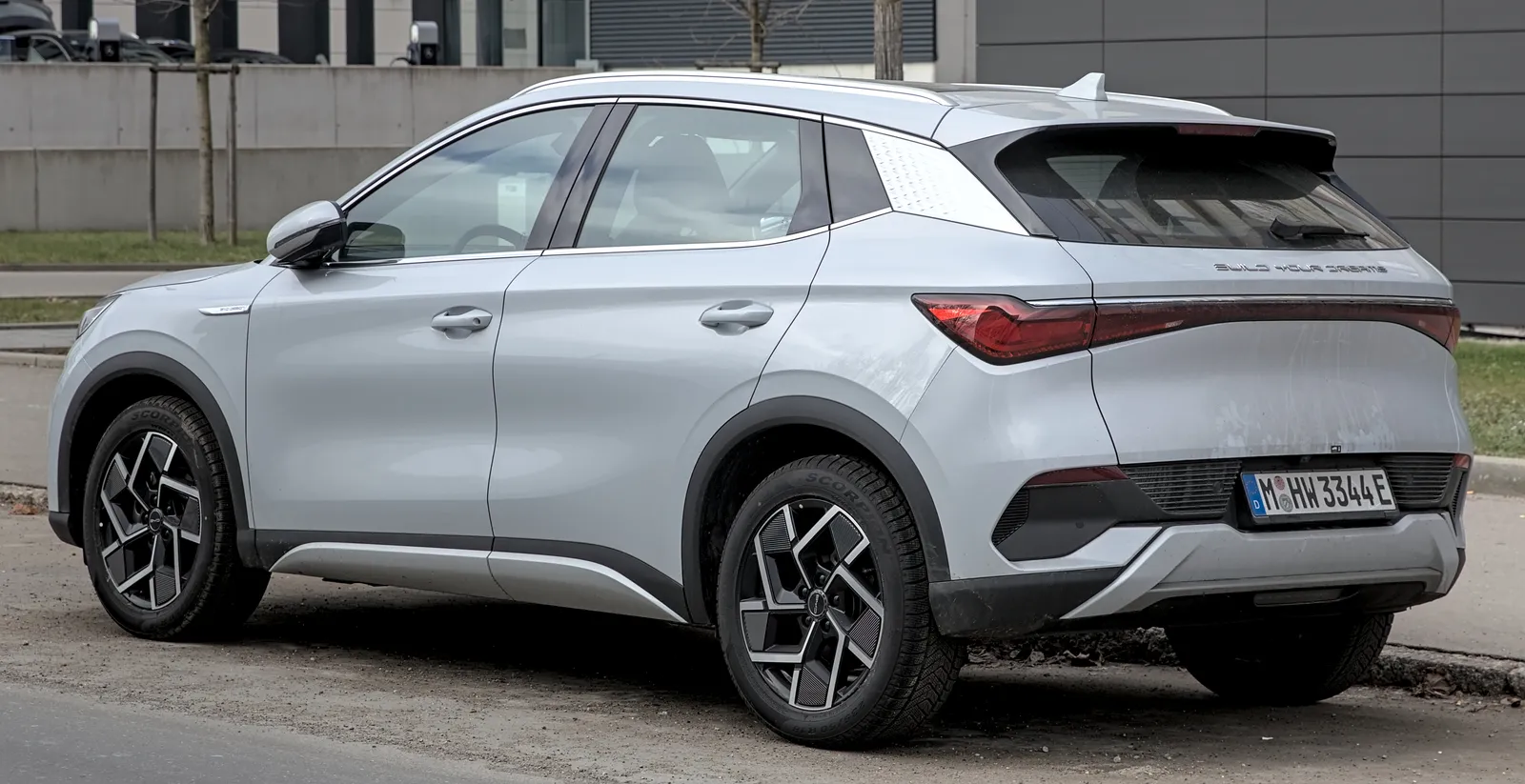
Best Value Chinese EV Europe: Affordable Picks by Budget
Best value Chinese EV and cheapest chinese ev europe: features per euro, TCO, affordable Chinese EV picks. Expert rankings 2026.
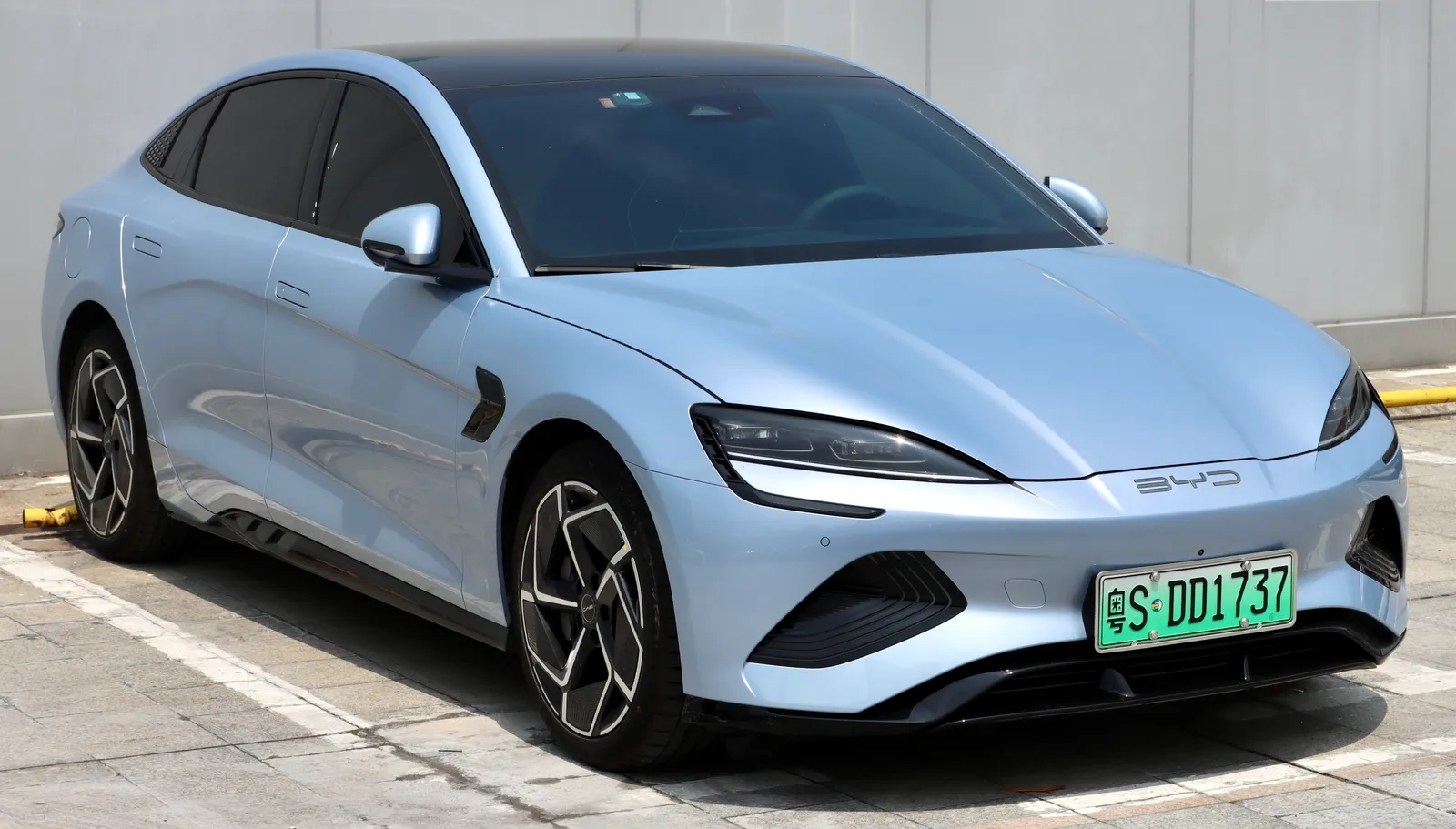
BYD Europe Price List 2026: All Models and Trim Costs
BYD Europe price: full model list, trims, UK/Germany/France. BYD price list Europe from €19,990 to €71,000.
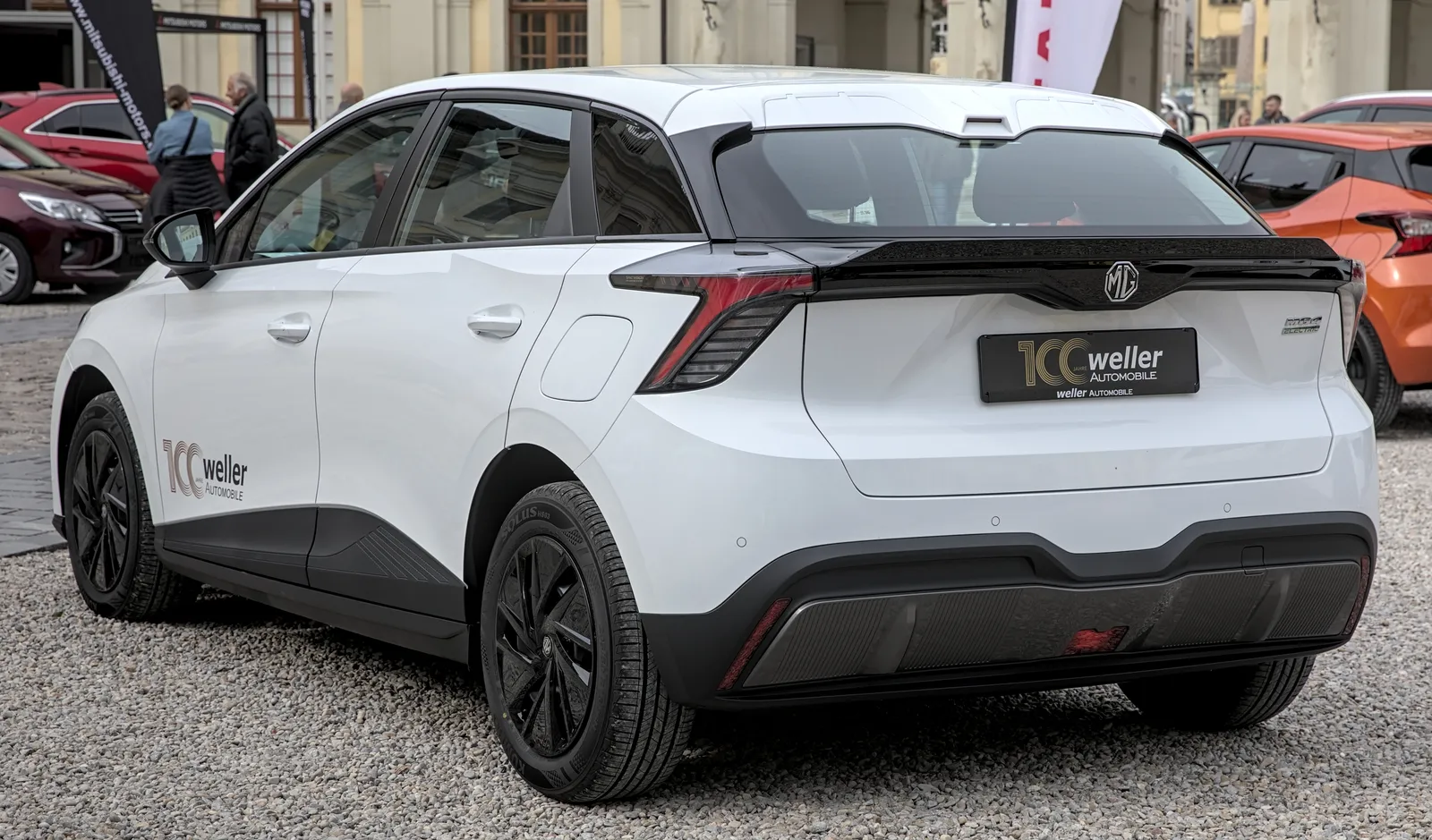
Cheapest Chinese EVs in Europe: Budget Options 2026
Cheapest Chinese EV Europe: budget options under €30,000. Specs, prices, incentives and real-world value. Leapmotor T03, MG4, BYD Dolphin.