News

EU Tariffs on Chinese EVs: Complete Guide 2026

Everything about EU tariffs on Chinese electric cars: rates by manufacturer, price impact, minimum price agreements, and what it means for buyers.

By Editorial Team Updated January 28, 2026
EU Tariffs on Chinese EVs: Complete Guide 2026
Image: Wikimedia Commons (CC License)

EU Tariffs on Chinese EVs: Complete Guide 2026

The European Union’s imposition of countervailing duties on Chinese electric vehicles represents one of the most significant trade policy developments in the automotive sector since 2024. These tariffs, which came into effect in October 2024, have fundamentally reshaped the competitive landscape for electric vehicles in Europe, affecting everything from consumer prices to manufacturing strategies. This comprehensive guide explains everything you need to know about EU tariffs on Chinese EVs, including current rates by manufacturer, how they’re calculated, their impact on prices, and the ongoing negotiations that may reshape this policy landscape.

Overview: EU Tariffs on Chinese EVs

The EU’s decision to impose tariffs on Chinese electric vehicles stems from a nine-month anti-subsidy investigation that concluded in 2024. The investigation found that Chinese EV manufacturers received substantial government subsidies that created unfair competitive advantages in the European market. These subsidies took various forms, including preferential financing, cheap loans, capital support, inexpensive land provision, direct EV sales incentives, battery cost assistance, and various tax exemptions.

In response, the EU implemented countervailing duties—a type of trade remedy permitted under World Trade Organization (WTO) rules—to offset the harmful effects of these subsidies. The tariffs are applied on top of the standard 10% import duty that applies to all cars imported into the EU, meaning total duties can range from 17.8% to 45.3% depending on the manufacturer.

What Are Countervailing Duties?

Countervailing duties are import taxes imposed to counteract subsidies provided by foreign governments to their domestic industries. When a government provides financial assistance that gives its companies an unfair advantage in international trade, importing countries can impose these duties to level the playing field. The EU’s investigation determined that Chinese government subsidies to EV manufacturers created such an unfair advantage, justifying the imposition of countervailing duties under WTO-compliant procedures.

The investigation process involved detailed examination of subsidy programs, company-specific calculations, and extensive cooperation from manufacturers. Companies that fully cooperated with the investigation received individual rates based on their specific subsidy margins, while non-cooperating companies received higher rates based on available facts.

Current Tariff Rates by Manufacturer

The EU has set different tariff rates for different manufacturers based on their level of cooperation with the investigation and the extent of subsidies they received. These rates were finalized in October 2024 and will remain in effect for five years unless replaced by minimum price agreements or modified through legal challenges.

ManufacturerTariff RateTotal Duty (including 10% import tax)Status
Tesla Shanghai7.8%17.8%Definitive
BYD17.0%27.0%Definitive
Geely18.8%28.8%Definitive
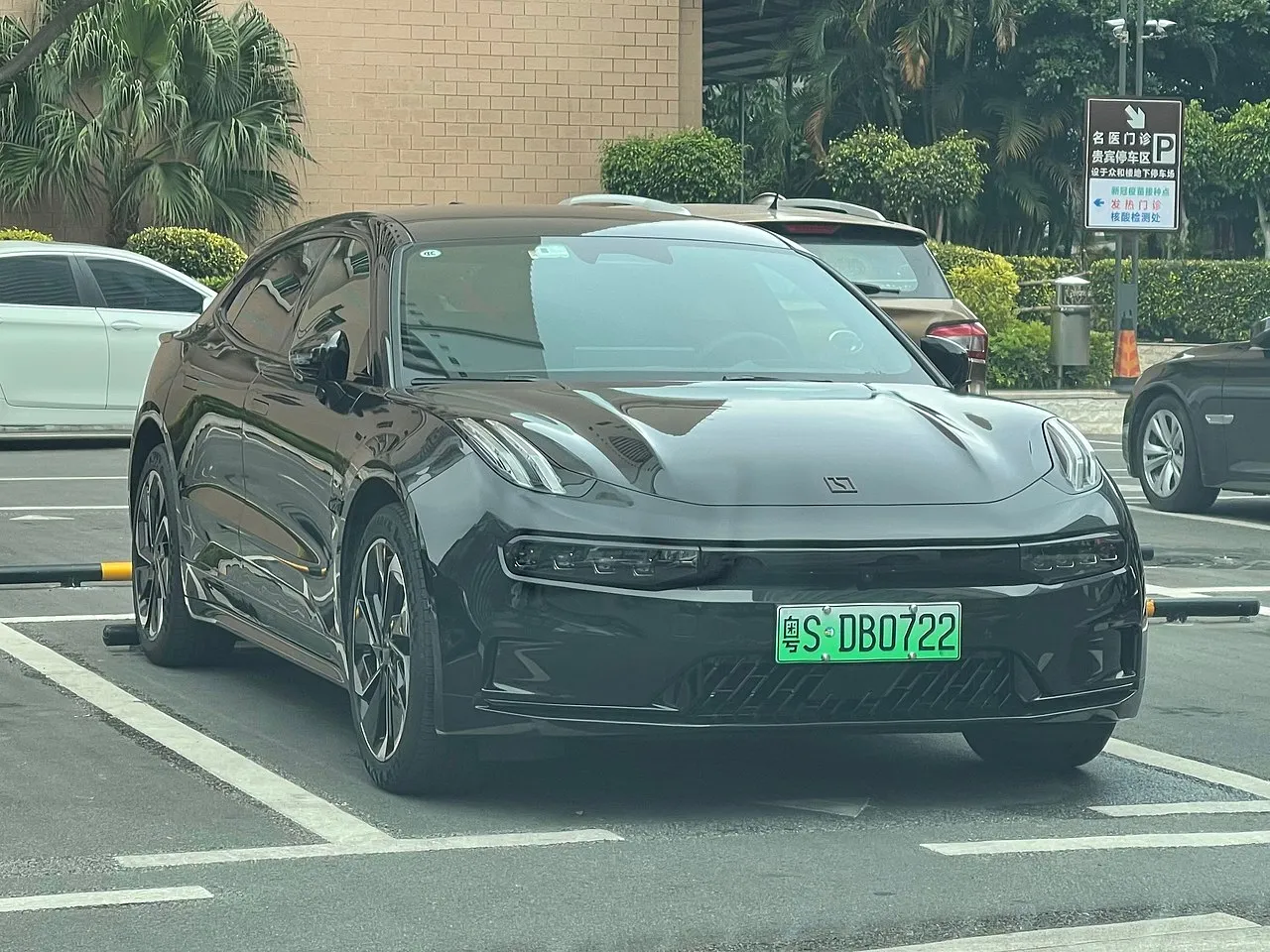
Other Cooperating Companies20.7%30.7%Definitive
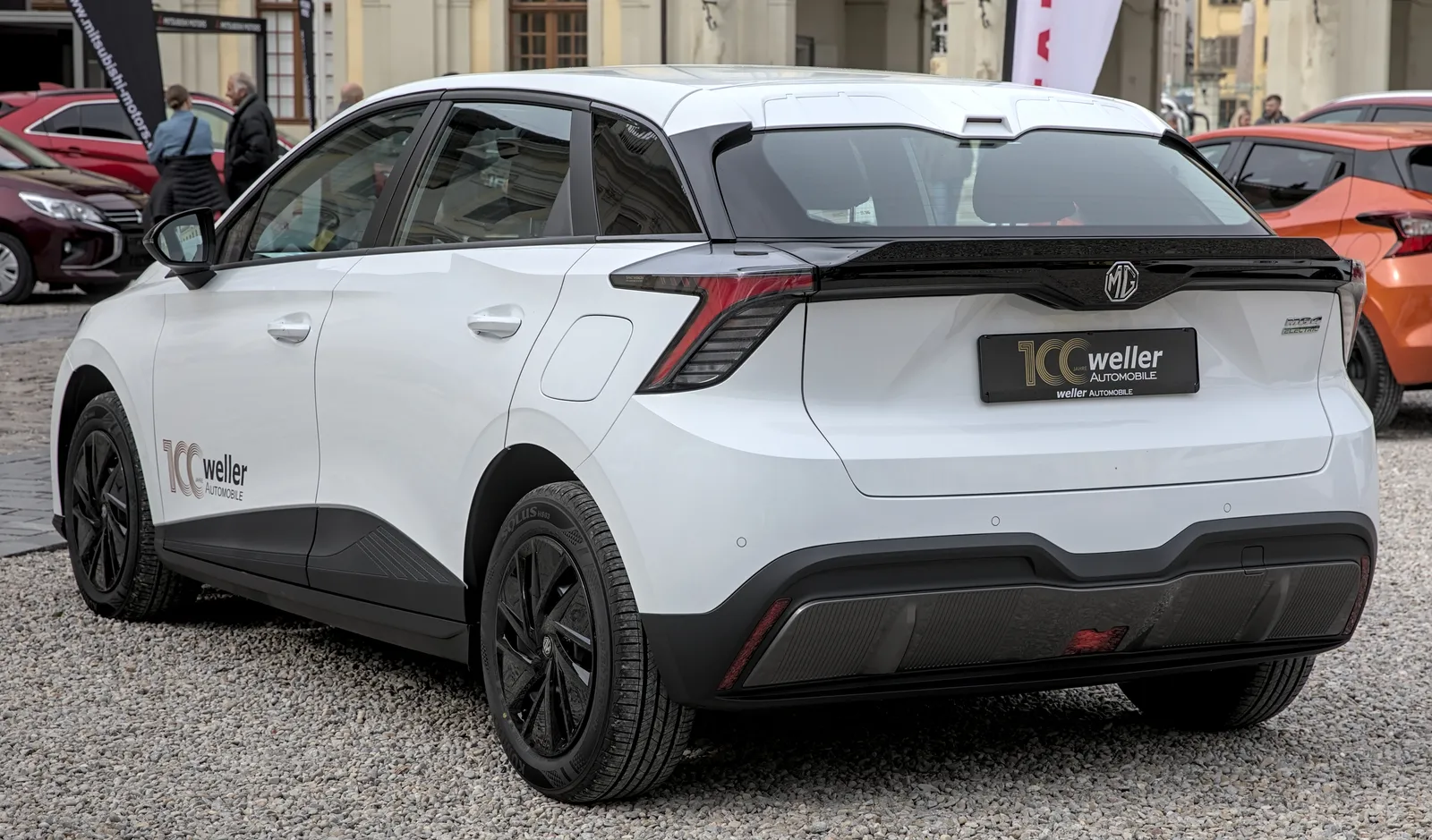
SAIC (MG Motors)35.3%45.3%Definitive
Other Non-Cooperating35.3%45.3%Definitive

Key Manufacturer Rates

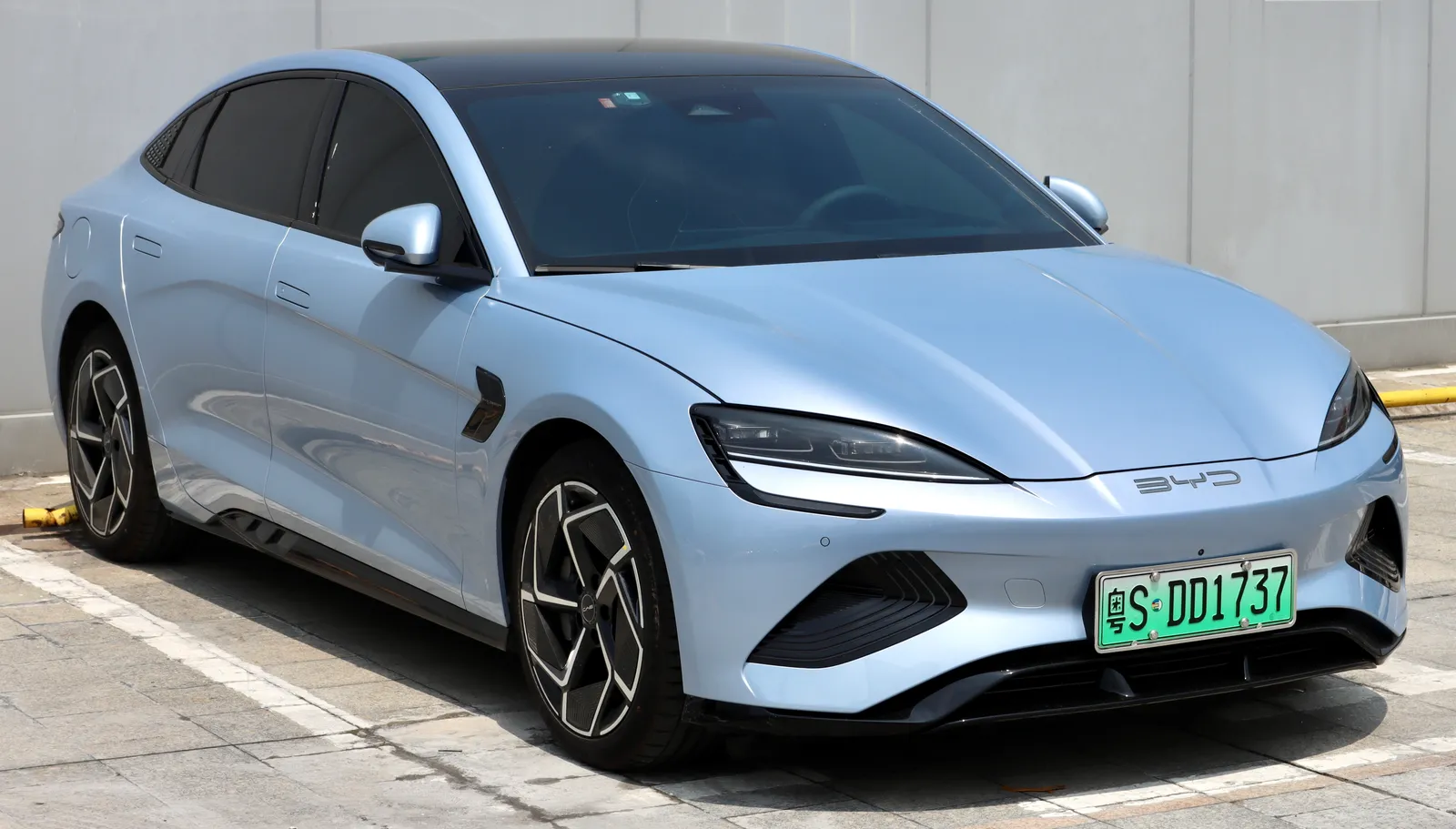
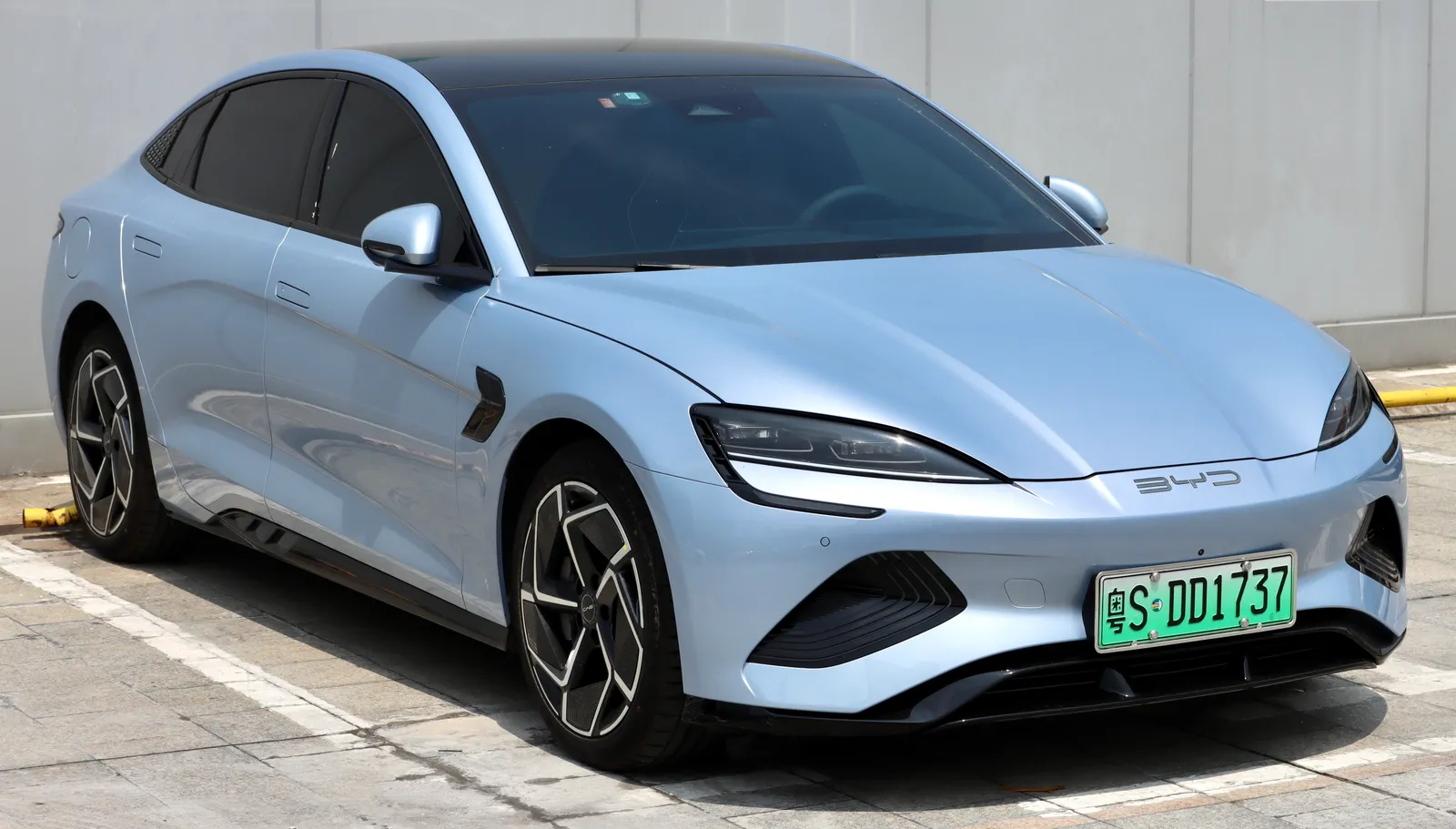
BYD received 17.0%, reflecting cooperation with the investigation. Despite tariffs, BYD outsold Tesla in Europe for the first time in April 2025. SAIC (MG Motors) faces the highest rate at 35.3% due to non-cooperation, reduced from 37.6% provisional. Geely received 18.8% based on cooperation. Tesla Shanghai received the lowest rate at 7.8% through individual examination. Other cooperating manufacturers receive 20.7%, while non-cooperating companies face 35.3%. BYD, Geely, and SAIC have all filed legal challenges at the EU Court of Justice.

Timeline: When Tariffs Were Implemented

The EU’s tariff implementation followed a structured timeline that began with an investigation and progressed through provisional and definitive phases.

2023: EU launched nine-month anti-subsidy investigation into Chinese government support for EV manufacturers.

July 4, 2024: Provisional tariffs imposed (17.4% to 37.6%) pending final investigation results.

October 29-30, 2024: EU adopted Implementing Regulation 2024/2754, setting definitive rates from 7.8% to 35.3%. Tariffs came into effect and will remain for five years unless modified.

January 2025: BYD, Geely, and SAIC filed legal challenges at the EU Court of Justice (proceedings expected to last 18 months).

April 2025: EU and China agreed to explore minimum price alternatives to tariffs.

January 12, 2026: European Commission issued formal guidance on conditions for replacing tariffs with minimum price commitments.

How Tariffs Are Calculated

Understanding how the EU calculated these tariff rates requires examining the subsidy investigation process and the methodology used to determine each manufacturer’s rate.

The EU’s investigation examined various forms of Chinese government support including preferential financing, capital support, inexpensive land, direct sales incentives, battery cost assistance, and tax exemptions. The investigation quantified each company’s subsidy margin—the amount of government support relative to export value.

Tariff rates were calculated based on individual subsidy margins. Companies that cooperated received rates based on their actual subsidies, while non-cooperating companies like SAIC received rates based on available facts (typically higher). Rates vary based on: (1) level of cooperation, (2) extent of subsidies received, (3) individual examination applications, and (4) non-cooperation penalties. The regulation basis is EU Implementing Regulation 2024/2754, following WTO-compliant countervailing duty procedures.

Price Impact: Before and After Tariffs

The imposition of tariffs has had measurable effects on Chinese EV pricing in Europe, though manufacturers have employed various strategies to mitigate consumer impact.

Pre-Tariff Pricing (2023)

In 2023, Chinese EVs averaged €25,200—32% lower than non-EU imports (€37,130) and 16% below average EU imports (€30,200), providing significant price advantages.

Post-Tariff Pricing (2024-2025)

With tariffs (7.8% to 35.3%) plus the 10% import duty, total duties now range from 17.8% to 45.3%, narrowing but not eliminating Chinese EV price advantages. Manufacturers have absorbed part of tariff costs, selectively increased prices by model and market, and maintained competitive positioning. Despite price increases, Chinese EV sales continue growing—BYD outsold Tesla in Europe for the first time in April 2025—demonstrating continued competitiveness. Lower-tariff manufacturers (BYD, Tesla) maintain better price positioning than higher-tariff manufacturers (SAIC/MG).

Minimum Price Agreements Explained

A significant development in 2025-2026 has been the emergence of minimum price agreements as an alternative to tariffs. These agreements allow manufacturers to avoid tariffs by committing to sell above agreed minimum prices.

January 2026 Breakthrough

On January 12, 2026, the European Commission issued formal guidance on conditions for Chinese EV makers to replace tariffs with minimum price commitments. This guidance document provides a framework for manufacturers to submit price undertaking offers that would eliminate tariffs in exchange for maintaining minimum prices.

How Minimum Price Commitments Work

Under minimum price commitments, Chinese manufacturers can avoid tariffs by committing to sell EVs above agreed minimum prices. The key requirements include:

  • Minimum prices must be set for each EV model and configuration
  • Prices refer to the first independent consumer sale price in the EU
  • Prices must eliminate harmful subsidy effects
  • Prices must be equivalent in effect to the duties imposed
  • Higher acceptance likelihood if commitments include sales volume limits

The EU provides two calculation methods for determining minimum prices:

  1. CIF-based method: Previous export price plus the margin of countervailing duties imposed
  2. EU comparables method: Prices of equivalent EU-produced battery electric vehicles, including selling, general, and administrative expenses and profit margins

Market Impact of Minimum Price Agreements

From a consumer perspective, prices are expected to remain largely unchanged compared to tariff-inclusive prices. The key difference is that manufacturers retain the margin rather than paying it to the EU as tariffs. This benefits manufacturers while maintaining similar consumer price levels.

The EU is currently reviewing specific offers, including from Volkswagen, and Chinese manufacturers can now submit model-specific price undertaking offers. This represents a shift from punitive tariffs toward negotiated solutions that address market distortions while maintaining WTO compliance.

Manufacturer Responses and Strategies

Chinese EV manufacturers have responded to tariffs through a combination of legal challenges, pricing strategies, and most significantly, investments in European manufacturing.

Local Production in Europe

The most significant strategic shift has been the move toward local production in Europe, which allows manufacturers to avoid tariffs entirely by producing vehicles within the EU.

BYD leads European manufacturing expansion with a 740-acre facility in Szeged, Hungary (production starting October 2025), a Turkey facility (March 2026), and a potential German plant. The Hungary facility will produce almost all European EV models locally, importing only battery cells while sourcing from European suppliers. Chery is launching European operations with plans for a factory, selling through Omoda and Jaecoo brands. Changan launched European operations in March 2025 with factory plans. Geely is expanding UK operations.

BYD, Geely, and SAIC have filed legal challenges at the EU Court of Justice contesting tariff legality and calculations. Proceedings are expected to last 18 months and could result in rate adjustments. Many manufacturers have absorbed part of tariff costs rather than passing full amounts to consumers, reflecting competitive pressure to maintain market share.

What Buyers Should Know

For European consumers considering Chinese electric vehicles, understanding the tariff situation helps inform purchasing decisions and expectations.

Tariffs have increased prices, though manufacturers absorbed some costs. Lower-tariff manufacturers (Tesla, BYD) saw more moderate increases, while higher-tariff manufacturers (SAIC/MG) face greater pressure but remain competitive. If minimum price agreements replace tariffs, prices should remain relatively stable.

Despite tariffs, Chinese EV availability continues expanding with new models launching regularly. The shift toward local production means future models may be produced in Europe, avoiding tariffs entirely. Going forward, minimum price agreements, legal challenge outcomes, increasing local production, and ongoing negotiations will shape pricing dynamics.

Frequently Asked Questions

What are the current EU tariff rates on Chinese EVs?

Tariff rates range from 7.8% (Tesla Shanghai) to 35.3% (SAIC/MG and non-cooperating companies), with BYD at 17.0% and Geely at 18.8%. These are applied on top of the standard 10% import duty.

When did EU tariffs on Chinese EVs come into effect?

Provisional tariffs were imposed on July 4, 2024, with definitive tariffs coming into effect on October 30, 2024. The tariffs will remain for five years unless replaced by minimum price agreements or modified through legal challenges.

How are tariff rates calculated?

Rates are calculated based on each manufacturer’s subsidy margin—the amount of government support received relative to export value. Companies that cooperated with the investigation received individual rates, while non-cooperating companies received higher rates based on available facts.

Can manufacturers avoid tariffs?

Yes, manufacturers can avoid tariffs by committing to minimum price agreements or by producing vehicles locally in Europe. BYD is constructing facilities in Hungary and Turkey, while other manufacturers are also planning European production.

Will tariffs affect consumer prices?

Tariffs have increased prices, though manufacturers have absorbed some costs. If minimum price agreements replace tariffs, consumer prices are expected to remain largely unchanged, as these agreements maintain similar price levels while allowing manufacturers to retain margins.

Yes, BYD, Geely, and SAIC have filed legal challenges at the EU Court of Justice. Proceedings are expected to last approximately 18 months and could potentially result in rate adjustments.

What is a minimum price agreement?

A minimum price agreement allows manufacturers to avoid tariffs by committing to sell above agreed minimum prices. The EU issued guidance on these agreements in January 2026, and manufacturers can now submit model-specific offers.

Future Outlook

The future of EU tariffs on Chinese EVs will be shaped by several ongoing developments:

EU and China continue negotiations to replace tariffs with minimum price commitments. The EU requires any deal to address market distortions while maintaining WTO compliance. Potential outcomes include gradual tariff replacement with minimum price commitments, continued tariffs for non-cooperating companies, legal challenge adjustments, and increased local production reducing import reliance.

Long-term implications include stronger European manufacturing presence for Chinese EV makers, more integrated China-Europe supply chains, shifting competitive dynamics, and evolving EU-China trade relationships.

The EU’s tariff policy on Chinese EVs represents a complex intersection of trade policy, industrial strategy, and market dynamics. As negotiations continue and legal challenges proceed, the landscape will continue evolving. For consumers, manufacturers, and policymakers alike, understanding these developments is essential for navigating the rapidly changing electric vehicle market in Europe.


This article is based on official EU regulations and guidance documents, including EU Implementing Regulation 2024/2754 and the Commission Guidance Document on Price Undertaking Offers published January 12, 2026. Information is current as of January 2026 and may be subject to change as negotiations and legal proceedings continue.