Chinese EV Brands Europe: BYD, MG, NIO, Xpeng, Zeekr 2026
Chinese EV brands in Europe: BYD, MG, NIO, Xpeng, Zeekr, Leapmotor. Who sells what, models, prices, and market presence. Complete overview.
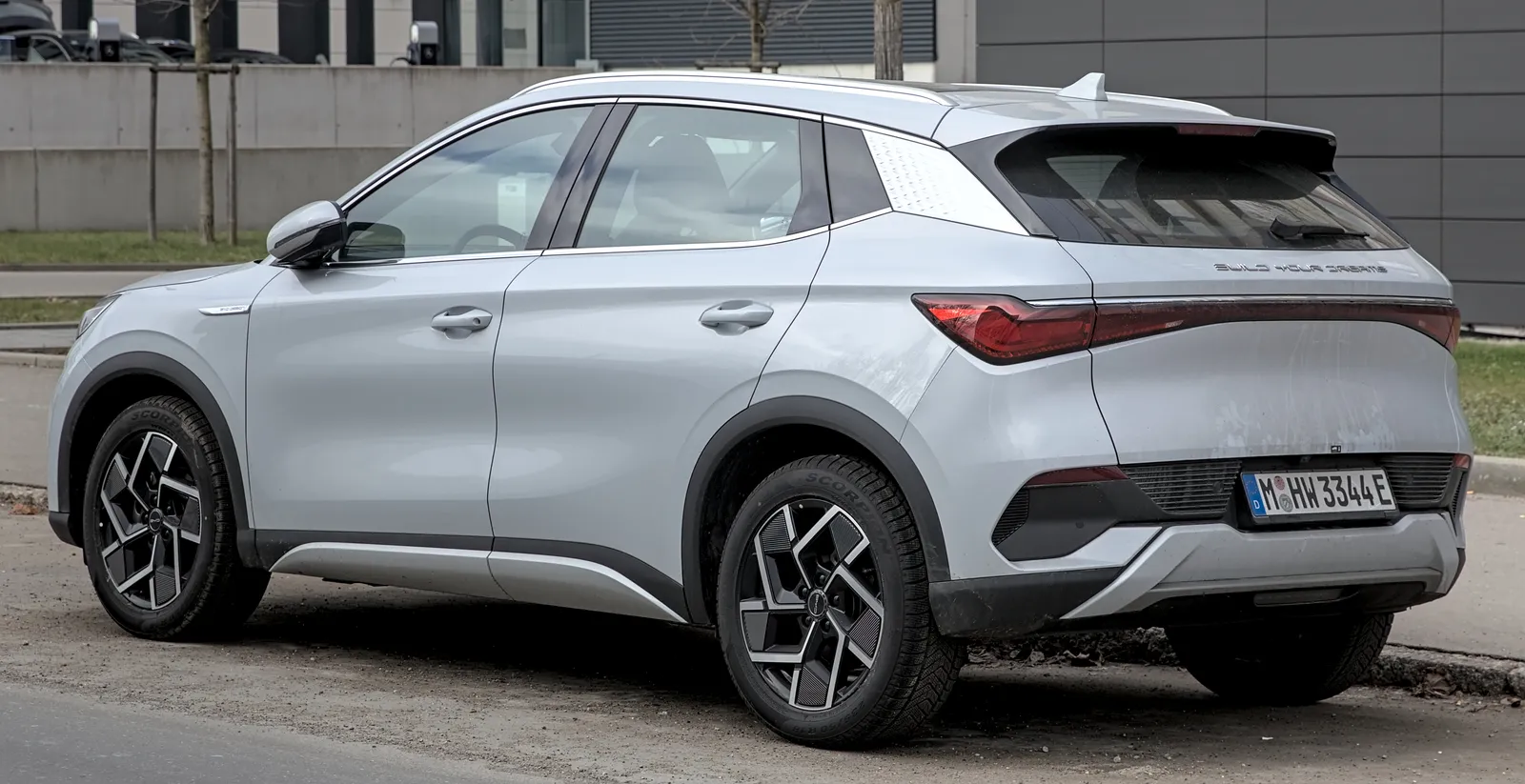
Chinese EV Brands in Europe 2026: Complete Overview
When I compiled the first version of this guide two years ago, the Chinese EV brands list was short. Today it’s crowded. Chinese automakers captured 5.1% of the European car market in the first half of 2025—91% growth year-over-year—and Chinese electric car brands in Europe now span from €15,000 city cars to six-figure luxury sedans. This guide covers every Chinese EV brand operating in Europe: models, pricing, and what to expect. For buying steps and dealer locators, see our Chinese EV dealers guide and how to buy Chinese EV.
Market Overview: Chinese EV Brands in Europe 2026
The European market for Chinese electric car brands has reached an inflection point. In the first half of 2025, Chinese automakers achieved 5.1% market share across Europe—nearly matching Mercedes-Benz at 5.2%—while capturing 8% of all new EV registrations. This growth represents a fundamental shift in how European consumers view Chinese automotive brands, moving from skepticism to acceptance as quality, safety, and value propositions improve.
Complete Brand List
Fourteen Chinese EV brands are currently active or planning European operations:
Established Market Leaders:
- BYD (market leader, fastest growing)
- MG (SAIC Motor) - best-selling in UK
- NIO (premium segment with battery swap)
- Xpeng (technology-focused)
- Zeekr (Geely’s premium brand)
- Leapmotor (budget-friendly entry point)
- Chery (Omoda & Jaecoo brands)
- Hongqi (luxury segment)
- Polestar (Swedish brand, Chinese ownership)
- Great Wall Motor (Ora & Haval brands)
New Entrants & Upcoming:
- Xiaomi (2027 launch planned)
- Changan (Deepal brand, launched March 2025)
- GAC (Aion brand, expanding)
- Geely (parent brand, UK launch Q4 2025)
Market Growth Trends
The numbers tell a compelling story. Chinese car registrations in Europe grew 91% in the first half of 2025 compared to the previous year. In the UK specifically, Chinese EV brands captured 9.7% of all new car registrations in 2025, with BYD alone registering 51,000 vehicles—a sixfold increase from the previous year. MG led UK sales with 85,000 vehicles, demonstrating the power of brand recognition combined with competitive pricing.
The top five Chinese electric car brands (BYD, MG, Chery, Geely, and Great Wall) account for 84% of total Chinese car registrations in Europe, indicating market consolidation around established players while new entrants continue arriving.
EU Tariff Impact
European Union tariffs on Chinese-made EVs range from 17% (BYD) to 28.8% (Polestar), creating significant cost pressures. However, this has accelerated local manufacturing plans. BYD is building factories in Hungary (operational end of 2025) and Turkey (2026), while Great Wall Motor is evaluating sites in Spain and Hungary targeting 300,000 units annually by 2029. Polestar plans European production in Slovakia by 2028.
These local production facilities will help Chinese EV brands avoid tariffs while potentially reducing prices for European consumers, further strengthening their competitive position.
Brand-by-Brand Profiles
BYD: Market Leader and Fastest Growing
BYD stands as the undisputed leader among Chinese EV brands in Europe, achieving a 311% increase in sales during the first half of 2025 with 70,500 units registered. The company offers nine models spanning from the affordable Dolphin (from €18,000) to premium flagships like the Han and Tang (€69,000+).
Models Available:
- Dolphin, Dolphin Surf (compact hatchback)
- Atto 3 (compact SUV)
- Seal, Seal U, Seal U DM-i (sedan and SUV)
- Tang, Han (flagship SUVs)
- SeaLion 7 (premium SUV)
Price Range: €18,000 - €69,000+
Key Markets: Germany, France, Italy, Spain, Netherlands, Norway, Sweden, Denmark, UK, and most Western European countries
Key Differentiators:
- Blade Battery technology for safety and longevity
- e-Platform 3.0 for advanced performance
- Widest model range among Chinese brands
- Five-star Euro NCAP ratings across multiple models
- European factories in Hungary (2025) and Turkey (2026)
BYD’s strategy focuses on plug-in hybrids, which represent 70% of their European sales, addressing range anxiety while maintaining competitive pricing. The brand’s rapid expansion and manufacturing investments position it as a long-term player in the European market.
MG (SAIC Motor): Best-Selling Chinese Brand in UK
MG leverages its British heritage to overcome brand recognition challenges that other Chinese electric car brands face. Owned by SAIC Motor, MG has become the best-selling Chinese brand in the UK with 85,000 vehicles sold in 2025.
Models Available:
- MG4 (compact hatchback)
- ZS EV (compact SUV)
- MG5 EV (estate)
- Cyberster (sports car)
Price Range: €25,990 - €38,000+
Key Markets: UK (strongest market), Germany, France, Italy, Spain, Netherlands, most Western European countries
Key Differentiators:
- Established brand recognition from British heritage
- Most extensive dealer network among Chinese brands
- 84-month or 150,000 km warranty
- Affordable entry point with competitive pricing
- Strong UK market presence
MG’s success demonstrates how brand heritage, even when owned by Chinese companies, can accelerate market acceptance. The brand’s focus on affordability and reliability has resonated particularly well with UK consumers seeking value in the EV transition.
NIO: Premium Segment with Battery Swap Innovation
NIO represents the premium end of Chinese EV brands, offering luxury vehicles with a unique battery swap network that sets it apart from competitors. The brand operates battery swap stations across its European markets, enabling three-minute battery exchanges.
Models Available:
- ET5 (compact sedan)
- ET7 (flagship sedan)
- EL7 (mid-size SUV)
- EL8 (large SUV)
Price Range: €49,900 - €90,900+ (without battery), €61,900 - €103,900+ (with battery)
Key Markets: Germany, Netherlands, Denmark, Sweden, Norway
Key Differentiators:
- Operational battery swap network in Europe
- Battery as a Service (BaaS): €169/month (75kWh) or €289/month (100kWh)
- Premium positioning with luxury features
- Long-range capabilities (600km+ WLTP)
- Expanding across additional European markets
NIO’s battery swap model addresses charging infrastructure concerns while offering flexibility. Customers can purchase vehicles without batteries (lower upfront cost) and subscribe to battery services, or buy with batteries included. This innovative approach positions NIO as a technology leader among Chinese electric car brands.
Xpeng: Technology-Focused with Ultra-Fast Charging
Xpeng emphasizes advanced technology, particularly ultra-fast charging and autonomous driving capabilities. The brand’s 800V platform enables charging speeds up to 486kW, significantly faster than most competitors.
Models Available:
- G9 (mid-size SUV)
- P7 (sedan)
- P7+ (2026, sedan)
Price Range: €46,600 - €53,600 (P7+ 2026)
Key Markets: Denmark, Norway, Netherlands, Sweden, Germany
Key Differentiators:
- 800V platform for ultra-fast charging
- Up to 486kW charging capability
- Advanced autonomous driving features
- Range up to 530-576 km WLTP
- Mona series mass-market launch planned for 2026 (under $17,000)
Xpeng’s technology focus appeals to early adopters seeking cutting-edge features. The upcoming Mona series will expand the brand’s reach into mass-market segments, potentially disrupting pricing expectations for Chinese EV brands in Europe.
Zeekr: Geely’s Premium Performance Brand
Zeekr, owned by Geely Holding, targets the near-premium segment with performance-oriented electric vehicles. The brand plans significant European expansion through 2027.
Models Available:
- Zeekr 001 (shooting brake)
- Zeekr X (compact SUV)
- Zeekr 7X (mid-size SUV)
- Zeekr 7GT (performance sedan)
Price Range: €30,000+ - €45,990+
Key Markets: Germany, France, Italy, Spain (UK by 2027)
Key Differentiators:
- Long range (446-620km WLTP)
- Fast charging capabilities
- Premium design and build quality
- Advanced safety features
- Geely’s engineering and manufacturing expertise
Zeekr benefits from Geely’s experience with Volvo and Polestar, bringing premium manufacturing standards to the Chinese electric car brands segment. The brand’s expansion plans indicate confidence in European market acceptance.
Leapmotor: Budget-Friendly Entry Point
Leapmotor offers the most affordable options among Chinese EV brands, with the T03 starting at just €15,000. The brand operates in 13 European countries through a partnership with Stellantis.
Models Available:
- T03 (city car)
- C10 (compact SUV)
- B10 (upcoming 2026)
Price Range: €15,000 - €36,400
Key Markets: 13 European countries including Germany, France, Italy, Spain
Key Differentiators:
- Lowest price point among Chinese brands
- Stellantis partnership for distribution
- Smart-driving rollout planned for 2026
- L3-equivalent urban navigation autopilot planned
- Budget-friendly positioning
Leapmotor’s partnership with Stellantis provides established distribution networks, addressing one of the main challenges facing Chinese EV brands. The brand’s focus on affordability makes electric mobility accessible to price-sensitive consumers.
Chery (Omoda & Jaecoo): Rapid Expansion with Multi-Brand Strategy
Chery employs a multi-brand approach in Europe, launching Omoda and Jaecoo as distinct brands. The strategy has shown strong early results, particularly in the UK.
Models Available:
- Omoda 5, Omoda E5, Omoda 7, Omoda 9
- Jaecoo 7, Jaecoo 5
Price Range: €22,990 - €35,065+
Key Markets: UK, Spain, Italy, Poland, multiple European markets
Key Differentiators:
- Multi-brand strategy (Omoda, Jaecoo, Chery)
- Strong UK performance: 3,383 vehicles registered in first year (Aug-Dec 2024)
- 7-year vehicle warranty, 8-year battery warranty
- Multiple powertrains: petrol, PHEV, and electric
- Rapid expansion across European markets
Chery’s multi-brand approach allows targeting different market segments while building brand recognition. The strong warranty offerings address reliability concerns common among consumers evaluating Chinese electric car brands.
Hongqi: Luxury Segment Entry
Hongqi, owned by FAW Group, targets the luxury segment with premium electric vehicles featuring advanced battery technology and fast charging.
Models Available:
- EH7 (sedan)
- EHS7 (SUV)
Price Range: €49,999 - €53,999
Key Markets: Norway, Netherlands, Switzerland, Denmark, Iceland, Sweden, UK (planned)
Key Differentiators:
- Premium luxury positioning
- Long range: EH7 up to 655km WLTP, EHS7 up to 600km WLTP
- CTB battery technology
- Fast charging: 10-80% in 20 minutes
- Plans for 10-20 new models over next 5 years
Hongqi’s luxury positioning demonstrates that Chinese EV brands can compete in premium segments traditionally dominated by European and American manufacturers. The brand’s expansion plans indicate ambitious growth targets.
Polestar: Swedish Brand with Chinese Ownership
Polestar presents an interesting case: a Swedish brand with 66% ownership by Geely/Li Shufu and 16% by Volvo. While marketed as Swedish, it’s included here due to Chinese ownership and manufacturing.
Models Available:
- Polestar 2 (compact sedan)
- Polestar 3 (mid-size SUV)
- Polestar 4 (coupe SUV)
- Polestar 7 (2028, sedan)
Price Range: Premium pricing (exact ranges vary)
Key Markets: Most European countries, strongest in Sweden, Norway, Germany, UK
Key Differentiators:
- Swedish brand heritage
- Chinese ownership and manufacturing
- Premium electric positioning
- European production planned in Slovakia (2028)
- 28.8% EU tariff on Chinese-made vehicles
Polestar’s dual identity—Swedish brand, Chinese ownership—illustrates the complexity of categorizing brands in today’s global automotive industry. The planned Slovakian production facility will help address tariff concerns.
Great Wall Motor (Ora & Haval): City Car Focus with European Plant Plans
Great Wall Motor operates the Ora brand for city EVs and Haval for SUVs, with ambitious European manufacturing plans.
Models Available:
- Ora 03 (city car)
- Ora 05 (mid-2026)
- Haval SUVs (2026)
Price Range: £24,995 - £33,690+ (Ora 03)
Key Markets: UK, Germany, Spain (2026), Italy (2026)
Key Differentiators:
- Compact city car focus (Ora)
- SUV offerings (Haval)
- European plant evaluation (Spain/Hungary)
- Target: 300,000 units annually by 2029
- Multiple powertrains: ICE, hybrid, PHEV, electric
Great Wall Motor’s European plant plans demonstrate long-term commitment to the market. The brand’s diverse powertrain offerings provide flexibility as European markets transition to electrification.
Upcoming Entrants: 2026-2027 Launches
Xiaomi plans a 2027 European launch with the SU7 sedan and upcoming YU7 and YU9 models. The tech company is planning showrooms ahead of launch and considering local European manufacturing. Despite no official presence, Xiaomi already leads direct imports in many European markets, indicating strong consumer interest.
Changan (Deepal) launched European operations in March 2025 across 10 markets with SUV-focused models (Deepal S07, S05, Changan E07) starting around €45,000. The brand is considering a European factory.
GAC (Aion) is expanding European presence with the Aion V and Aion UT, targeting 3,000 cars in 2025 and 50,000+ by 2027.
Geely (parent company of Zeekr and Polestar) plans to launch its own brand in the UK in Q4 2025 with the EX5 model, adding another dimension to its multi-brand European strategy.
Market Share and Sales Statistics
2025 Market Share Growth
Chinese EV brands achieved 5.1% of the total European car market in the first half of 2025, nearly matching Mercedes-Benz at 5.2%. In the EV segment specifically, Chinese brands captured 8% of new EV registrations, rising to 11.8% in October 2025 (though down from 12.6% in September, indicating market volatility).
The UK market shows even stronger penetration, with Chinese electric car brands capturing 9.7% of all new car registrations in 2025. This demonstrates how market-specific factors—including brand recognition (MG), competitive pricing, and consumer openness to new brands—can accelerate adoption.
Sales Volume by Brand
BYD leads with 70,500 units in the first half of 2025 (311% year-over-year growth), followed by MG with 85,000 vehicles in the UK alone. Chery’s Omoda and Jaecoo brands registered 3,383 vehicles in their first five months (Aug-Dec 2024), showing strong early momentum.
The top five Chinese EV brands (BYD, MG, Chery, Geely, Great Wall) account for 84% of total Chinese car registrations, indicating market consolidation around established players.
Country-Specific Performance
Market penetration varies significantly by country. Nordic markets (Norway, Sweden, Denmark) show strong acceptance of premium brands like NIO and Xpeng, while the UK favors value-oriented brands like MG and BYD. Germany, as Europe’s largest market, sees broad representation across all price segments.
Brand Comparison: Models, Prices, and Availability
Price Range Comparison
Budget Segment (Under €25,000):
- Leapmotor T03: €15,000
- BYD Dolphin: from €18,000
- Chery Omoda 5: from €22,990
Mid-Range (€25,000 - €45,000):
- MG4: €25,990
- MG ZS EV: €25,990-€38,000
- BYD Atto 3: from €27,500
- Zeekr X: €30,000+
- Chery Omoda E5: €33,055
- Great Wall Ora 03: £24,995+
Premium (€45,000 - €70,000):
- Xpeng P7+: €46,600-€53,600
- Hongqi EH7: €49,999
- Hongqi EHS7: €53,999
- NIO ET5: €49,900+
- Zeekr 7GT: €45,990+
Luxury (€70,000+):
- NIO ET7: €69,900+
- NIO EL7: €73,900+
- BYD Han, Tang: €69,000+
Model Availability by Country
Availability varies significantly by brand and country. BYD and MG offer the broadest European coverage, operating in most Western European countries. NIO and Xpeng focus on Nordic markets and Germany, while newer entrants like Chery prioritize specific markets like the UK and Spain.
Key Features and Specifications
Range Leaders:
- Hongqi EH7: up to 655km WLTP
- NIO models: 600km+ WLTP
- Zeekr models: 446-620km WLTP
- Xpeng models: 530-576km WLTP
Charging Speed Leaders:
- Xpeng: up to 486kW (ultra-fast charging)
- Hongqi: 10-80% in 20 minutes
- Zeekr: fast charging capabilities
- BYD: competitive charging speeds with Blade Battery
Safety Ratings:
- BYD: Five-star Euro NCAP (multiple models)
- NIO: High safety standards
- Xpeng: Strong safety credentials
- Most brands meet EU safety requirements
Upcoming Entrants: 2026-2027 Launches
Xpeng Mona Series (2026)
Xpeng plans to launch its mass-market Mona series in 2026, with pricing under $17,000 (approximately €15,600). This will significantly expand Xpeng’s market reach and potentially disrupt pricing expectations for Chinese EV brands in Europe.
Xiaomi SU7 (2027)
Xiaomi’s European launch in 2027 will introduce the SU7 sedan and upcoming YU7 and YU9 models. The tech company’s brand recognition and manufacturing capabilities position it as a significant new entrant. Showrooms are planned ahead of the 2027 launch, with local European manufacturing under consideration.
Other Planned Entries
Multiple brands are expanding model lineups and market presence. Great Wall Motor plans 7+ new models from mid-2026, Hongqi plans 10-20 new models over the next 5 years, and Geely will launch its own brand in the UK in Q4 2025.
Common Questions About Chinese EV Brands
Are Chinese EVs Safe?
Yes, Chinese electric car brands sold in Europe must meet EU safety standards and undergo Euro NCAP testing. Many models have received high safety ratings—BYD’s Seal and SeaLion 7 achieved five-star Euro NCAP ratings with 89% and 87% adult occupant protection respectively. However, some quality control issues have been documented, and long-term reliability data remains limited due to recent market entry.
What About Quality and Reliability?
Chinese EV brands typically offer competitive warranties (7-8 years common, with Chery offering 7-year vehicle and 8-year battery warranties). Long-term reliability data is limited due to recent market entry, but overall quality is improving as brands invest in European manufacturing and quality control processes.
How Do Prices Compare to European Brands?
Chinese electric car brands are typically 20-30% cheaper than equivalent European models, offering similar or better technology and features at lower price points. This pricing advantage has been a key driver of market growth, though EU tariffs may narrow this gap until local production begins.
What About Service and Support?
Service networks are expanding but remain more limited than established European brands. BYD and MG have the most established networks, while newer entrants are building dealer networks. This represents a consideration for buyers, particularly in regions with limited brand presence.
Are There Data Security Concerns?
Some European governments have raised concerns about data security with Chinese EV brands. Brands are addressing these concerns through data localization and transparency measures, but buyers should consider their comfort level with data handling practices.
What About EU Tariffs?
EU tariffs range from 17% (BYD) to 28.8% (Polestar) on Chinese-made EVs. Brands are building European factories to avoid tariffs, with BYD, Great Wall, and others planning local production. These facilities will help maintain competitive pricing while creating European jobs.
Which Brand Has the Best Range?
NIO, Zeekr, and Hongqi offer some of the longest ranges (600km+ WLTP). BYD and Xpeng also offer competitive ranges with advanced battery technology. Range capabilities continue improving as battery technology advances.
Can I Charge Chinese EVs at European Charging Stations?
Yes, all Chinese EV brands sold in Europe use standard CCS charging connectors and are compatible with European charging networks. Charging compatibility is standardized across the European market.
Future Outlook: European Production and Tariffs
The future of Chinese EV brands in Europe will be shaped by local manufacturing, tariff policies, and consumer acceptance. BYD’s factories in Hungary and Turkey, Great Wall Motor’s planned European plant, and Polestar’s Slovakian facility demonstrate commitment to local production. These investments will help brands avoid tariffs while potentially reducing prices for consumers.
Market projections suggest continued growth as Chinese electric car brands expand model lineups, improve quality, and build brand recognition. However, competition from European manufacturers’ new EV models and potential policy changes could impact growth rates.
The success of Chinese EV brands in Europe represents a fundamental shift in the global automotive industry, demonstrating that quality, value, and innovation can overcome traditional brand barriers. As these brands continue investing in European operations, consumers benefit from increased choice, competitive pricing, and advancing technology across all market segments.
Other Guides
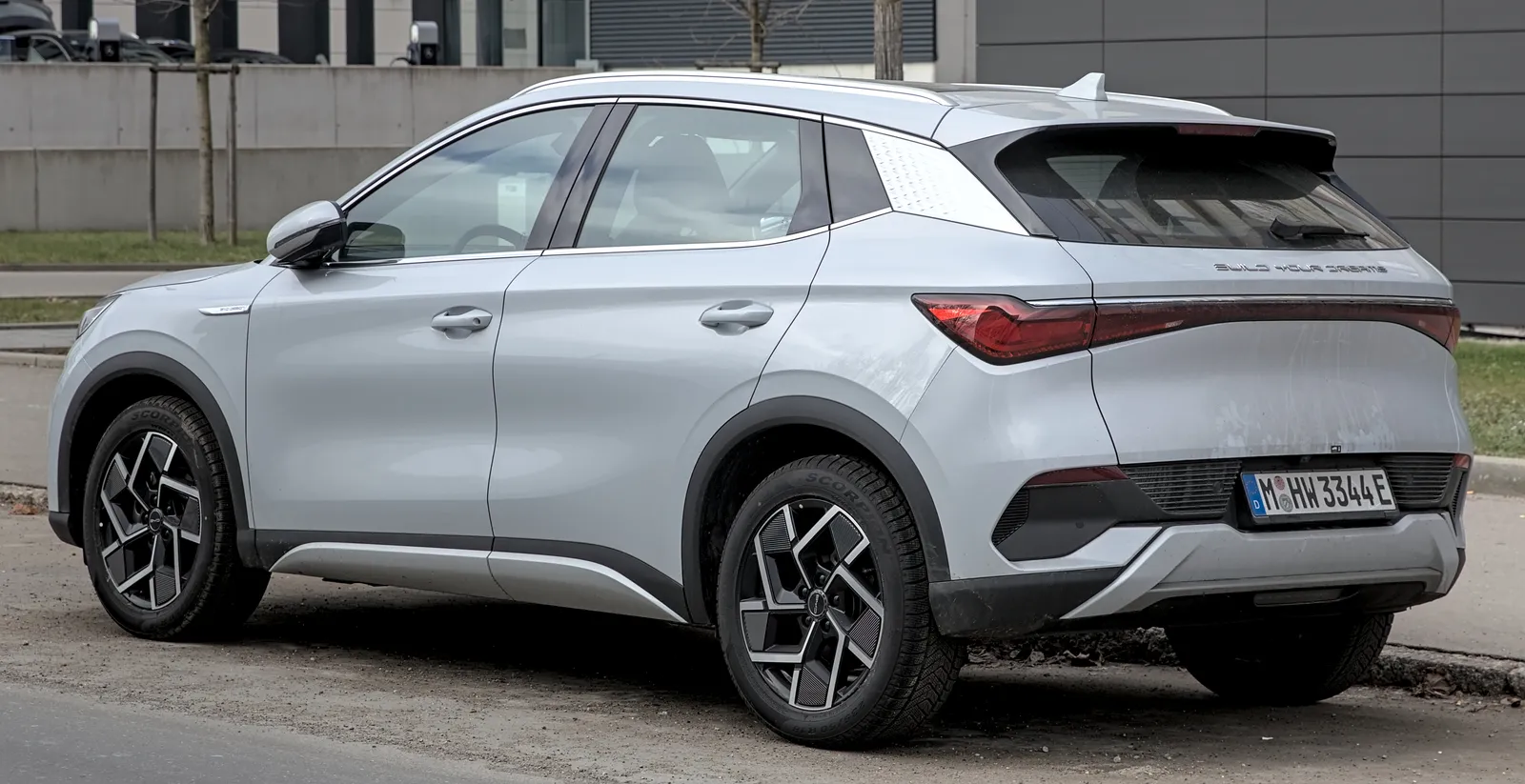
Best Value Chinese EV Europe: Affordable Picks by Budget
Best value Chinese EV and cheapest chinese ev europe: features per euro, TCO, affordable Chinese EV picks. Expert rankings 2026.
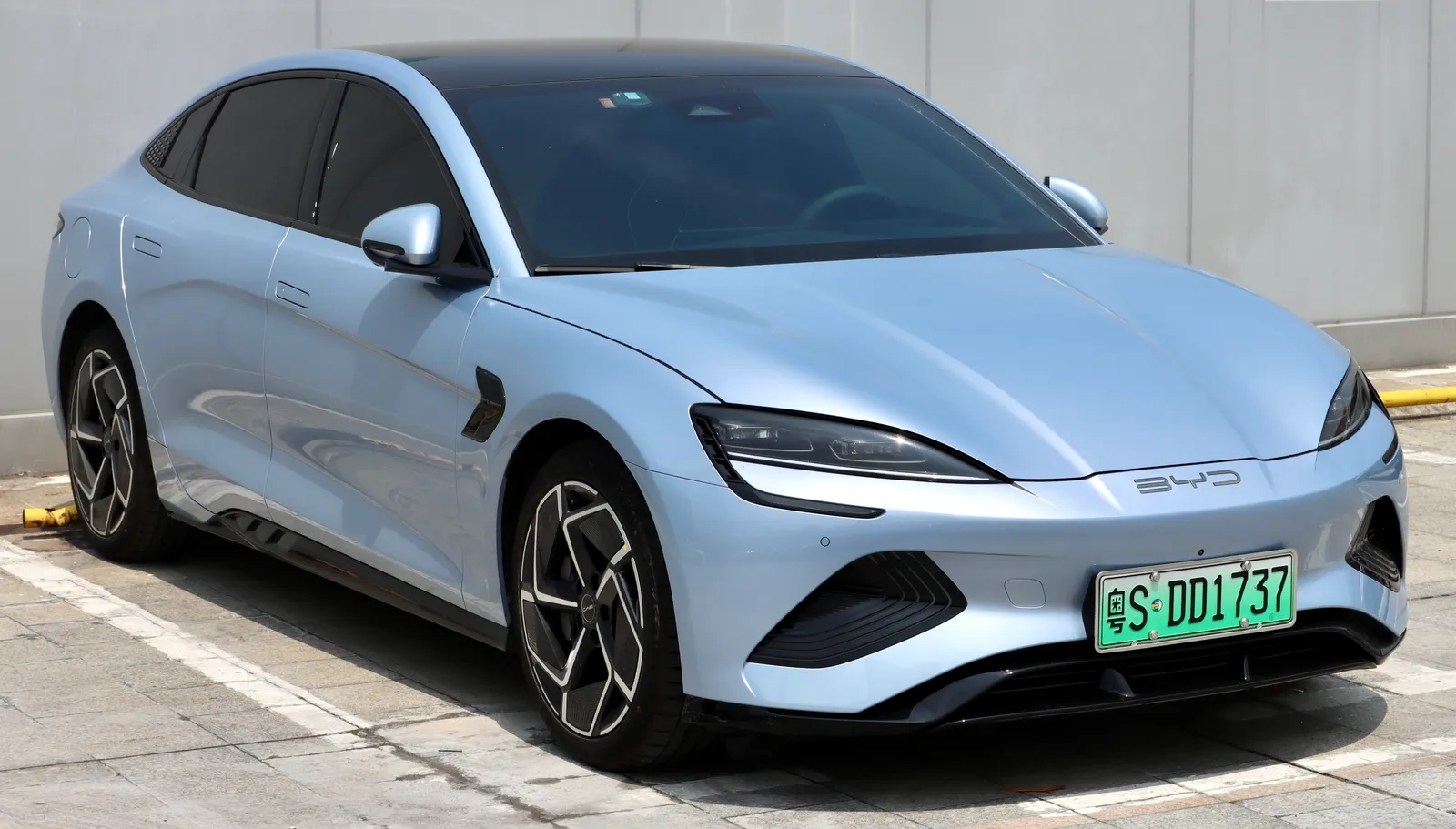
BYD Europe Price List 2026: All Models and Trim Costs
BYD Europe price: full model list, trims, UK/Germany/France. BYD price list Europe from €19,990 to €71,000.
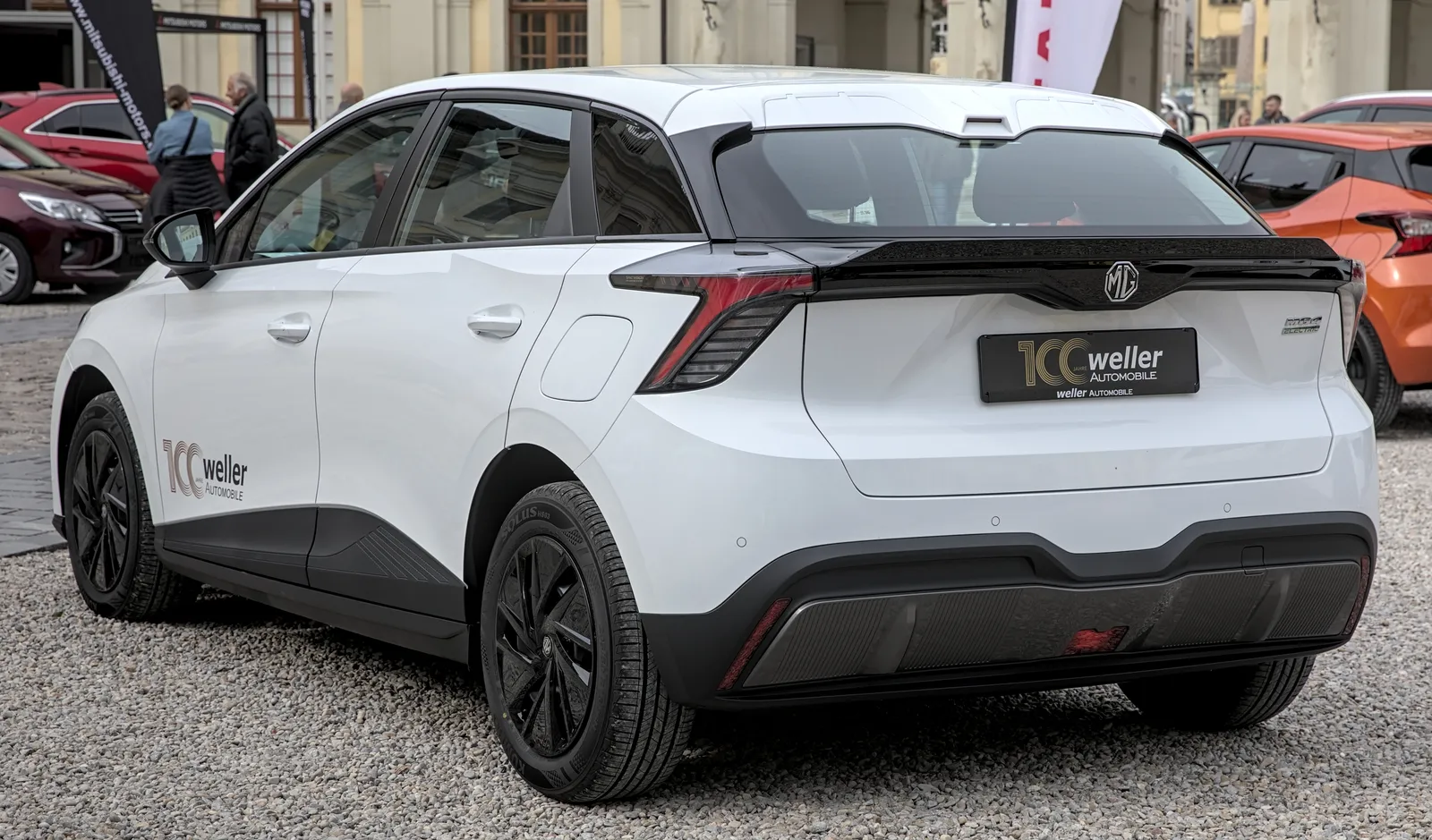
Cheapest Chinese EVs in Europe: Budget Options 2026
Cheapest Chinese EV Europe: budget options under €30,000. Specs, prices, incentives and real-world value. Leapmotor T03, MG4, BYD Dolphin.