Chinese Electric Cars Europe: Beginners Guide 2026
Chinese electric cars Europe: beginner's guide to brands, myths, and first-time buyer tips. BYD, NIO, Xpeng, MG, Zeekr explained for European buyers.
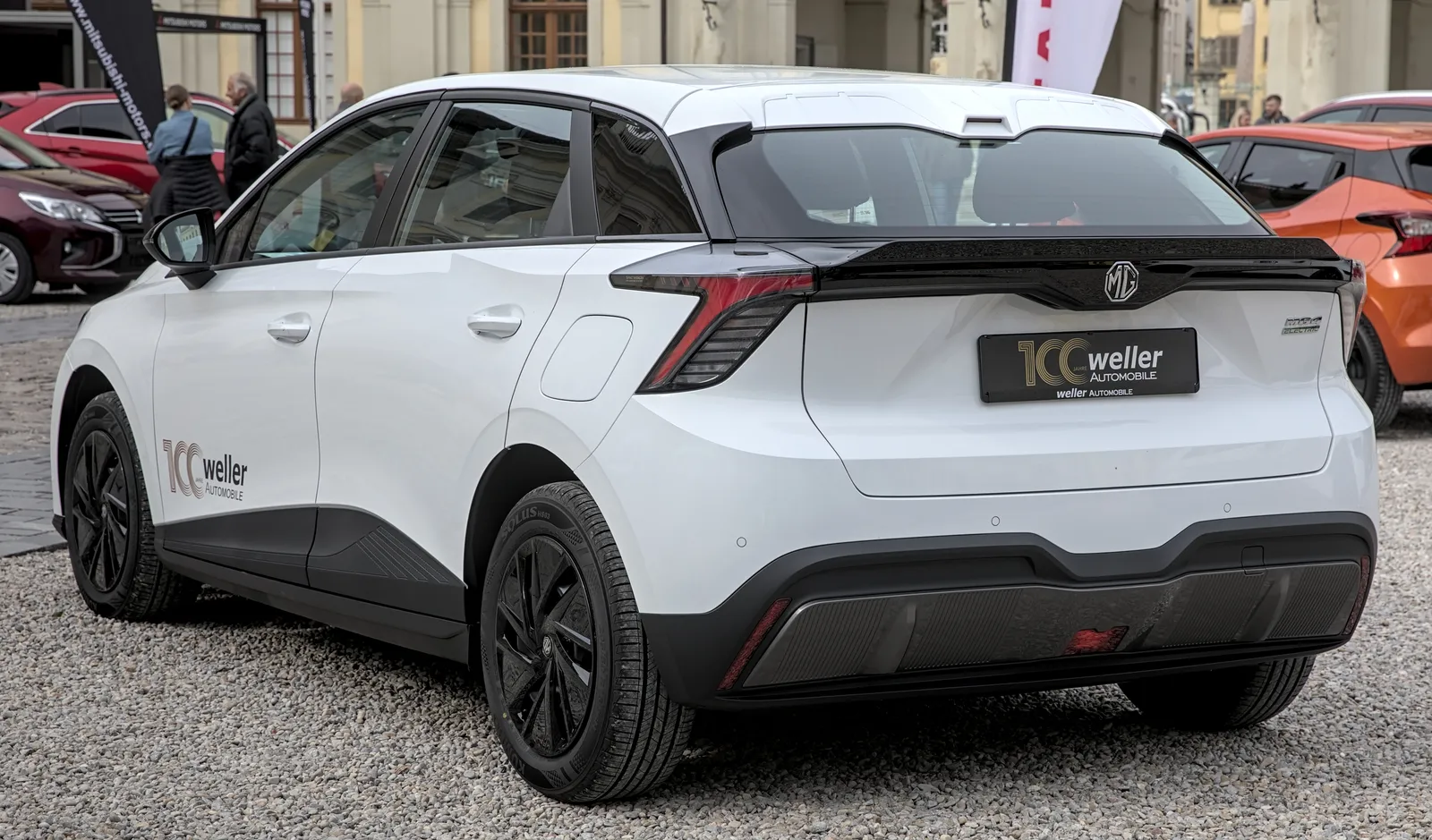
Chinese Electric Cars Europe: Beginners Guide 2026
When I first looked into Chinese electric cars in Europe, the sheer number of brands was overwhelming—over 100 manufacturers and new models arriving constantly. Where do you even start? This guide cuts through the noise. China now accounts for roughly 76% of global electric car sales, and in the first half of 2025 alone it sold 3.33 million BEVs. That scale is what makes budget models like the Leapmotor T03 possible and premium ones 20–30% cheaper than Western equivalents.
The key is knowing which chinese ev brands have real European presence and support. I learned the hard way that a bargain in China doesn’t always translate to service networks in Europe—our Chinese EV dealers guide helps you check before you buy. This guide covers brands, myths, terminology, and first-time buyer tips.
📅 Last Updated: March 2026
| Quick Chinese EV Facts | Details |
|---|---|
| Global Market Share | 76% of worldwide EV sales |
| 2025 H1 Sales | 3.33 million BEVs (37% growth) |
| Major Brands | BYD, NIO, XPeng, Li Auto, MG, Zeekr |
| Price Range | $5,000 (ultra-budget) to $100,000+ (luxury) |
| Safety Performance | 5-star Euro NCAP ratings (BYD Seal, NIO ET7) |
| Battery Innovation | Blade Battery (BYD), Battery Swap (NIO) |
What Are Chinese EVs?
Chinese EVs are Battery Electric Vehicles (BEVs) designed or built by Chinese automakers like BYD, NIO, and XPeng. The term can also include Western-branded cars made in China (e.g. Tesla Shanghai-built Model 3/Y).
China’s scale (76% of global EV sales) has driven down battery costs globally. Chinese makers have pioneered the Blade Battery (BYD), battery swap (NIO), and advanced ADAS (XPeng). New models launch every 18 months versus 5+ years for traditional OEMs—faster tech, less long-term reliability data in the West.
What makes Chinese EVs different: Premium models often cost 20–30% less than Western competitors while offering strong technology, battery innovation, and software. In Europe, mainstream models use CCS2 and many have Euro NCAP results—always check the specific model.
Why Consider a Chinese EV?
For beginners entering the EV market, Chinese electric vehicles offer compelling advantages:
Exceptional Value: Premium features at 20-30% lower prices than Western competitors, extending across all price segments from ultra-budget to luxury.
Advanced Battery Technology: BYD’s Blade Battery offers superior safety and longevity (3,000+ charge cycles), while NIO’s battery swap stations eliminate charging wait times.
Strong Safety Performance: Premium models like BYD Seal and NIO ET7 have earned 5-star Euro NCAP ratings, matching Mercedes and BMW scores. However, safety varies by brand and price point.
Wide Availability: Increasingly available in Europe, Southeast Asia, and Australia, though limited in the US due to tariffs.
Considerations: Limited service networks outside China, uncertain resale values, regional availability variations, and less long-term reliability data compared to established brands.
Major Chinese EV Brands Explained
Understanding the major Chinese EV brands is essential for beginners. The market is dominated by several large corporate groups rather than independent brands, creating a complex landscape that can be confusing for first-time buyers.
BYD: World’s Largest EV Maker
Full Name: Build Your Dreams
Pronunciation: B-Y-D (individual letters)
Position: World’s largest EV maker by sales volume, having overtaken Tesla
BYD is the dominant force in Chinese EVs, backed by Warren Buffett’s Berkshire Hathaway. The company specializes in battery technology, having developed the innovative Blade Battery that offers superior safety and longevity. BYD offers the widest model range in the Chinese market—from $10,000 city cars to luxury vehicles.
Key Models: BYD Dolphin, BYD Seal, BYD Atto 3
Strengths: Affordability, proven battery technology, extensive model range, industry-leading 8-year/250,000 km battery warranty
Best For: Value-seeking buyers wanting proven technology and reliability
The ‘New EV’ Trio: NIO, XPeng, Li Auto
These three venture-backed tech companies position themselves as China’s answer to Tesla, focusing on premium positioning and advanced technology.
NIO (pronounced NEE-oh): Premium-focused brand with innovative battery swap technology. Battery swap stations eliminate charging wait times. Earned 5-star Euro NCAP ratings and excellent initial quality (92 problems per 100 vehicles, matching BMW). Key Models: NIO ET7, NIO ES8. Best For: Buyers seeking premium quality and innovative technology.
XPeng (pronounced EHK-speng): Tech-focused brand known for advanced autonomous driving systems competing with Tesla’s Autopilot. Key Models: XPeng G9, XPeng P7. Best For: Tech-forward buyers prioritizing autonomous driving.
Li Auto: Range-extended electric vehicle specialist using gas engines to generate electricity when batteries are depleted, addressing range anxiety. Best For: Buyers concerned about charging infrastructure.
Other Major Groups: SAIC, Geely, and More
SAIC Motor
Position: State-backed giant selling through MG brand globally
Key Brand: MG (popular in Europe)
SAIC Motor is one of China’s largest automakers, selling vehicles globally through the MG brand. The MG4 has become one of the best-selling Chinese EVs in Europe, praised for its practical design and competitive pricing. However, owner reports suggest reliability concerns, particularly with charging systems and build quality.
Key Models: MG4
Strengths: Established presence in European markets, practical designs, competitive pricing
Considerations: Reliability concerns reported by owners, particularly charging failures
Geely Group
Position: Private conglomerate with international ties
Key Brands: Zeekr, Geometry, Volvo, Polestar
Geely Group operates multiple brands, including international partnerships with Volvo and Polestar. The Zeekr brand targets the premium market with advanced technology and luxury features. Geely’s international connections provide access to Western engineering expertise and global supply chains.
Key Brands: Zeekr (premium), Geometry (budget), plus Volvo and Polestar partnerships
Strengths: International partnerships, premium positioning, global supply chain access
Wuling
Position: Joint venture (SAIC 50.1%, GM 44%, Wuling)
Specialization: Ultra-affordable city cars
Wuling produces the best-selling Chinese EV—the Hongguang Mini EV. This ultra-affordable city car costs $5,000-$8,000, making electric mobility accessible to millions of buyers. While basic, it demonstrates that Chinese manufacturers can produce functional EVs at previously unimaginable price points.
Key Models: Wuling Hongguang Mini EV
Strengths: Extreme affordability, best-selling Chinese EV, accessible electric mobility
Considerations: Bare-bones features, consumer-grade rather than automotive-grade parts
Brand Hierarchy and Market Structure
The Chinese EV market is organized into three tiers:
Tier 1: Leading Brands
- BYD: World’s largest EV maker by sales volume
- NIO: Premium positioning with battery swap technology
- XPeng: Tech-focused autonomous driving leader
- Li Auto: Range-extended vehicle specialist
These brands represent the established leaders with proven technology, strong market presence, and international expansion plans.
Tier 2: Established Brands
- SAIC Motor (MG): State-backed giant with European presence
- Geely Group (Zeekr, Geometry): International partnerships and premium positioning
- GAC Aion: Growing market share with practical models
- Chery: Expanding international presence
- Great Wall: SUV-focused manufacturer
These brands have established market positions and are expanding internationally, though with varying levels of success.
Tier 3: Niche & Emerging Brands
- Avatr: Premium positioning with advanced technology
- Xiaomi: Tech giant entering automotive market
- Dongfeng Nammi: Budget-focused models
- Leapmotor: Affordable city car specialist
These emerging brands offer innovation and value but have limited track records and uncertain long-term prospects.
Key Insight: The market is dominated by large corporate groups rather than independent brands. Understanding these corporate structures helps buyers assess long-term viability and service network coverage.
Common Misconceptions About Chinese EVs
Beginners often encounter misinformation about Chinese EVs. Let’s debunk the most common myths:
Myth: Poor Quality and Safety
Reality: Premium Chinese EV makers demonstrate competitive build quality and safety performance. Euro NCAP awards 5-star safety ratings to models like the BYD Seal and NIO ET7, matching Mercedes and BMW scores. Initial quality data shows NIO averaging 92 problems per 100 vehicles—identical to BMW.
However, quality varies significantly by brand and price point. Premium brands like NIO and BYD’s higher-end models match Western quality standards, while ultra-budget options like the Wuling Hongguang Mini EV use consumer-grade parts that require more frequent maintenance. Long-term durability outside China remains uncertain due to limited ownership data in Western markets.
Takeaway: Premium Chinese EVs match Western quality standards, but budget models make trade-offs to achieve low prices.
Myth: All Chinese EVs Are Cheap
Reality: While ultra-budget options exist (like the $5,000-$8,000 Wuling Hongguang Mini EV), Chinese EV makers offer a full spectrum from budget to luxury. Premium models compete directly with European and American luxury brands in technology and features while offering 20-30% cost savings.
The Chinese EV market includes:
- Ultra-budget: $5,000-$10,000 (city cars, basic features)
- Budget: $18,000-$25,000 (well-equipped practical models)
- Mid-range: $25,000-$35,000 (premium features, competitive with Western models)
- Luxury: $50,000-$100,000+ (premium positioning, advanced technology)
Takeaway: Chinese EVs span all price segments, offering value at every level.
Myth: Aggressive Pricing Means Manufacturers Cut Corners
Reality: While China’s brutal EV price war has raised government concerns about cost-cutting, premium Chinese EVs exceed Western competitors in battery technology and software capabilities. The intense competition drives innovation but limits profit margins—only BYD consistently makes money among Chinese EV makers.
The price-quality equation depends heavily on brand, model, and your location. Premium brands like NIO invest heavily in quality and technology, while budget brands make strategic trade-offs to achieve low prices. Buyers should research specific models rather than making assumptions based on price alone.
Takeaway: Premium Chinese EVs offer superior technology at lower prices due to scale and competition, not corner-cutting.
Myth: Chinese EVs Are Universally Unreliable
Reality: The reliability picture is nuanced. Premium brands show strong initial quality (NIO matches BMW at 92 problems per 100 vehicles), but ownership experience varies significantly by region. Limited service networks and uncertain resale values remain real concerns in many markets outside China.
Chinese EVs are best suited for tech-forward early adopters with home charging and access to certified service centers. Buyers in regions with limited service networks should carefully consider support availability before purchasing.
Takeaway: Reliability varies by brand and region—premium brands match Western quality, but service network coverage is crucial.
EV Terminology Glossary
BEV (Battery Electric Vehicle): All-electric vehicle powered exclusively by battery and electric motor. Most Chinese EVs are BEVs, offering 114-450 miles of range.
PHEV (Plug-in Hybrid Electric Vehicle): Hybrid with both electric motor and gas engine, less common in Chinese EV market.
REEV (Range Extended Electric Vehicle): Uses gas engine as range extender when battery is depleted. Li Auto specializes in REEV technology.
WLTP vs NEDC: WLTP is the current realistic testing standard. Always verify WLTP-certified range data—NEDC often produces inflated figures.
LFP vs NMC Batteries: LFP (Lithium Iron Phosphate) is low-cost, prevalent in China, offering better safety and longevity but lower energy density. NMC offers higher energy density (longer range) but higher cost. LFP batteries (common in Chinese EVs) offer better safety and longevity.
Range Anxiety: Fear of running out of battery power. Chinese manufacturers address this through longer ranges, faster charging, and battery swap stations.
OTA (Over-the-Air Updates): Wireless software updates allowing manufacturers to improve features without service visits. Chinese EV manufacturers excel at OTA updates.
Chinese Brand Names Explained
Understanding Chinese brand names helps beginners navigate the market:
- BYD: “Build Your Dreams” (pronounced B-Y-D, individual letters)
- NIO: Pronounced “NEE-oh” (part of the ‘New EV’ trio, premium-focused brand)
- XPeng: Pronounced “EHK-speng” (transliteration of Xiaopeng Motors, tech-focused brand)
- Zeekr: Pronounced “ZEE-ker” (premium brand under Geely Group)
- Wuling: Pronounced “WOO-ling” (joint venture brand known for ultra-affordable city cars)
Best Chinese EVs for Beginners
For beginners, Chinese EVs offer exceptional value and modern technology. The best choices depend on your budget and priorities:
Entry-Level Model Recommendations
Ultra-Budget (Under $10,000):
- Wuling Hongguang Mini EV ($5,000-$8,000): Best-selling Chinese EV, bare-bones city car. Consumer-grade parts require more frequent maintenance. Best for: Tight budgets prioritizing affordability.
- Dongfeng Nammi 01 EV ($8,250-$8,400): Compact hatchback with 330-430 km range, AI voice control, 12.8-inch display. Best for: Budget buyers wanting modern features.
Budget-Friendly ($18,000-$25,000):
- BYD Dolphin Surf ($18,650-$23,300): Excellent value with adaptive cruise control, 10.1-inch infotainment, leatherette seats. Trade-offs: jiggly suspension, small boot. Best for: Value-seeking buyers wanting modern features.
- Leapmotor T03 ($18,000-$22,000): More comfortable ride than Dolphin Surf, rounded styling. Best for: Buyers prioritizing comfort over features.
Mid-Range ($25,000-$30,000):
- MG4 ($25,000-$30,000): Praised as best-looking and fun-to-drive small EV, won Carwow Car of the Year 2023. Reliability concerns reported. Best for: Well-rounded option with European presence.
- BYD Dolphin ($25,000-$28,000): Well-equipped family hatchback with BYD reliability. Best for: Family buyers wanting proven technology.
First-Time Buyer Tips
Navigating the Chinese EV market requires careful research. Here’s what to consider:
Research Brands and Models: With over 100 manufacturers in China, start with established brands like BYD (world’s largest), XPeng (cutting-edge tech), and NIO (premium). Research brand reputation, read owner reviews, and verify service networks in your region.
Set Clear Goals and Budget: Determine priorities (range, performance, fast charging). Budget models range $10,000-$20,000, premium starts $50,000+. Factor in insurance, charging equipment, and service network limitations.
Check Safety Ratings: Verify Euro NCAP or ASEAN NCAP ratings for international models. Demand WLTP-certified range data—premium models like BYD Seal and NIO ET7 earned 5-star ratings matching Mercedes and BMW.
Verify Key Specifications: Understand battery technology (LFP vs. NMC), ensure charging compatibility, check warranty terms (BYD offers 8-year/250,000 km), and confirm OTA update support.
Choose Reputable Sellers: Work with official import channels and verified exporters with government-approved licenses. Confirm service network coverage and avoid emerging brands lacking crash test data.
Consider Service Network: Ensure certified service centers within 50 miles. Limited networks remain a concern outside China—best suited for buyers with home charging and service access.
Understand Resale Value: Resale values remain uncertain in Western markets. Factor depreciation into total cost of ownership—premium brands like NIO show stronger retention but data is limited.
Test Drive When Possible: Test drive multiple models to compare ride quality, technology interfaces, and overall feel. First-hand experience is invaluable.
What to Look For When Buying
Focus on brand reputation, safety ratings (Euro NCAP/ASEAN NCAP), battery technology, service network proximity, charging compatibility, WLTP-certified range, and warranty—especially the battery. Resale and total cost of ownership matter too. Our how to buy Chinese EV and Chinese EV safety guide go deeper.
Conclusion: Is a Chinese EV Right for You?
Chinese EVs offer compelling value for beginners entering the electric vehicle market. Premium models match Western quality standards while offering 20-30% cost savings and cutting-edge technology. However, the market requires careful research and realistic expectations.
Chinese EVs are ideal for:
- Tech-forward early adopters comfortable with new technology
- Value-seeking buyers wanting premium features at lower prices
- Buyers with home charging capabilities and access to service networks
- Those prioritizing innovation and features over brand heritage
Consider alternatives if:
- You require extensive service network coverage in rural areas
- Resale value certainty is a primary concern
- You prefer established brands with long track records
- Limited charging infrastructure makes range anxiety a concern
The Chinese EV market is rapidly evolving, with new models and technologies launching constantly. For beginners willing to research carefully and manage expectations, Chinese EVs offer exceptional value and modern technology that’s reshaping the automotive industry. Whether you choose an ultra-budget city car or a premium luxury model, understanding the market landscape helps you make informed decisions that match your needs and priorities.
Other Guides
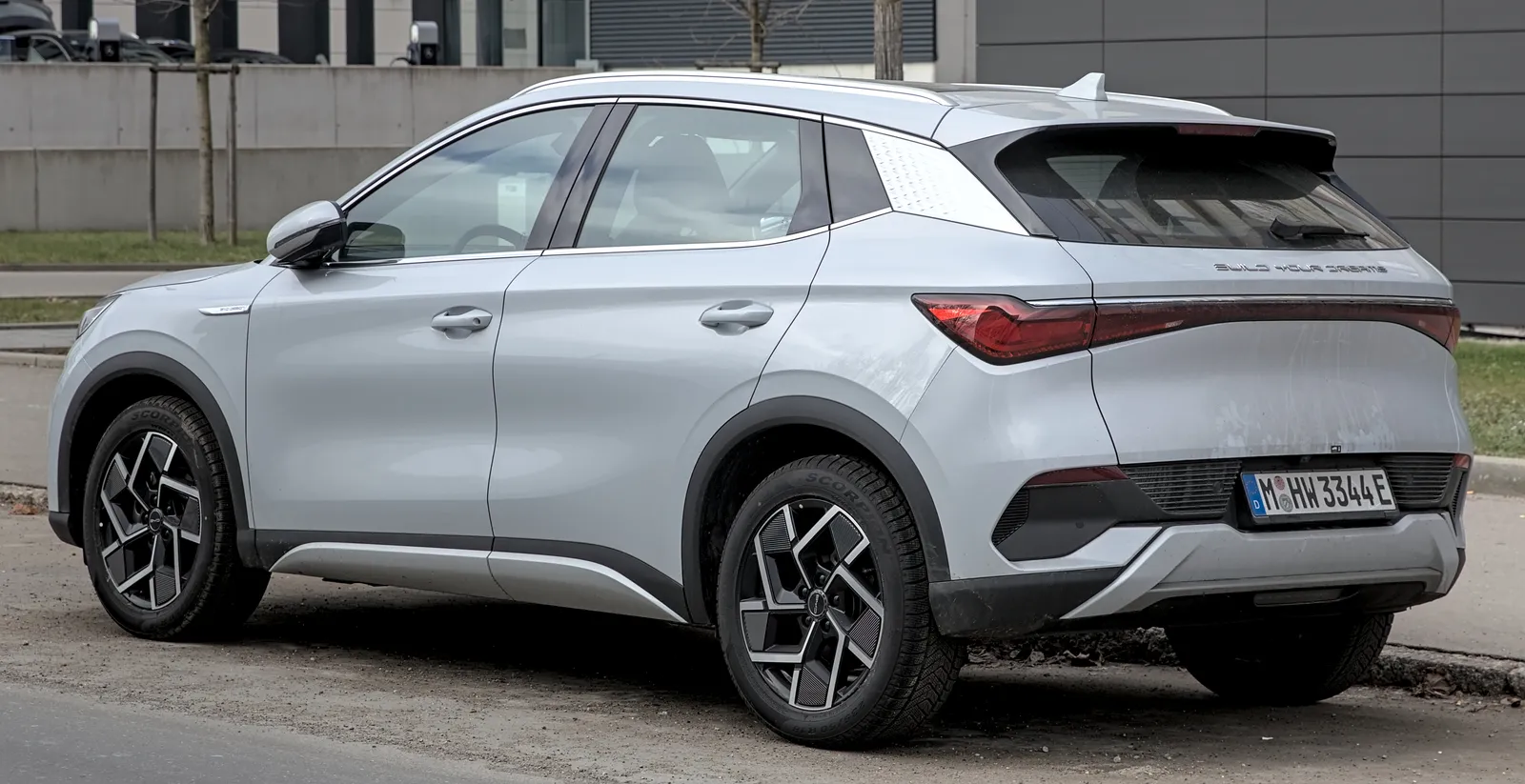
Best Value Chinese EV Europe: Affordable Picks by Budget
Best value Chinese EV and cheapest chinese ev europe: features per euro, TCO, affordable Chinese EV picks. Expert rankings 2026.
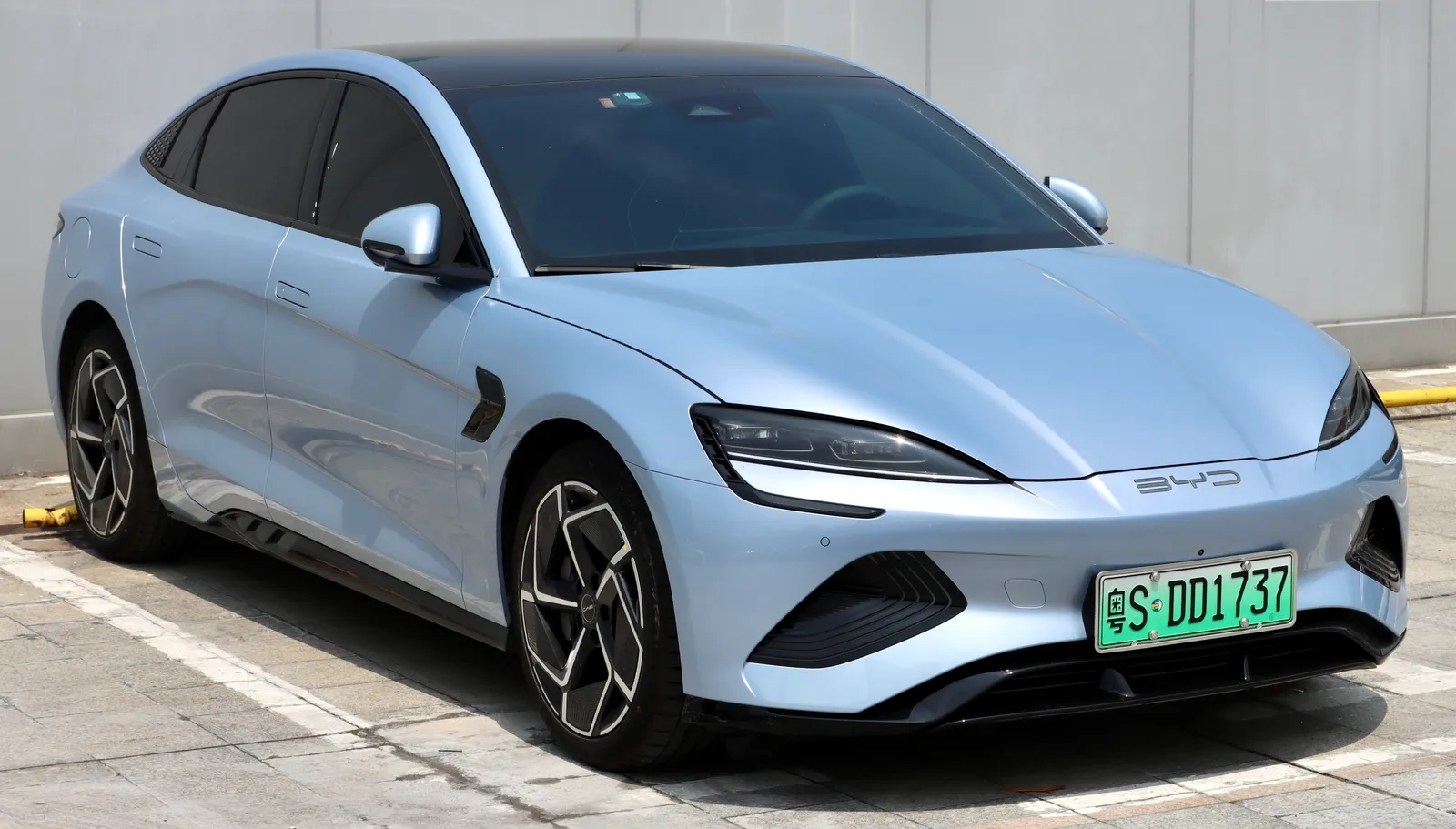
BYD Europe Price List 2026: All Models and Trim Costs
BYD Europe price: full model list, trims, UK/Germany/France. BYD price list Europe from €19,990 to €71,000.
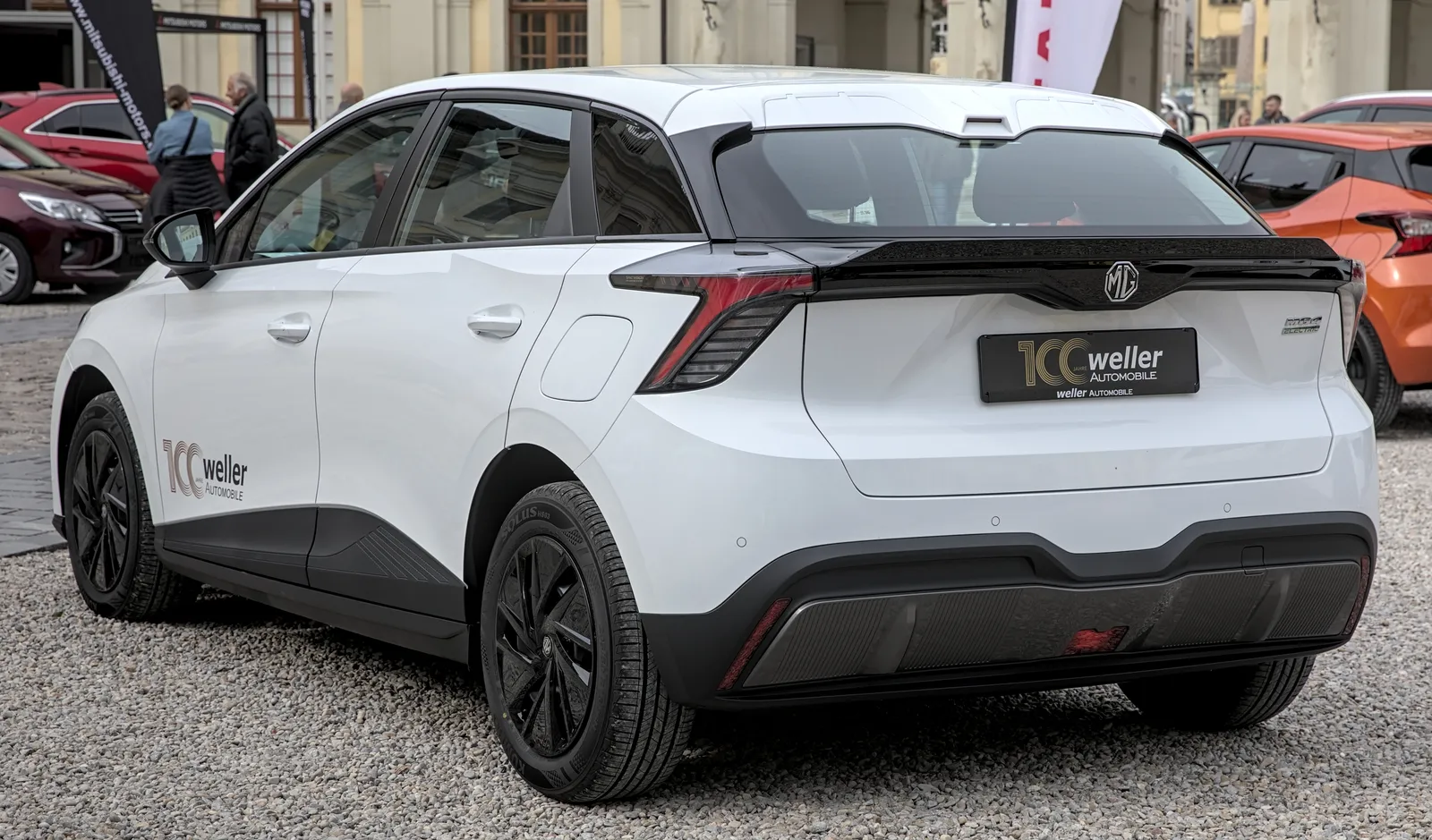
Cheapest Chinese EVs in Europe: Budget Options 2026
Cheapest Chinese EV Europe: budget options under €30,000. Specs, prices, incentives and real-world value. Leapmotor T03, MG4, BYD Dolphin.