Chinese Electric Cars Europe: Brands, Tariffs, Buying 2026
Chinese electric cars Europe: BYD, MG, NIO, tariffs, safety. What European consumers need to know before buying Chinese EV brands.
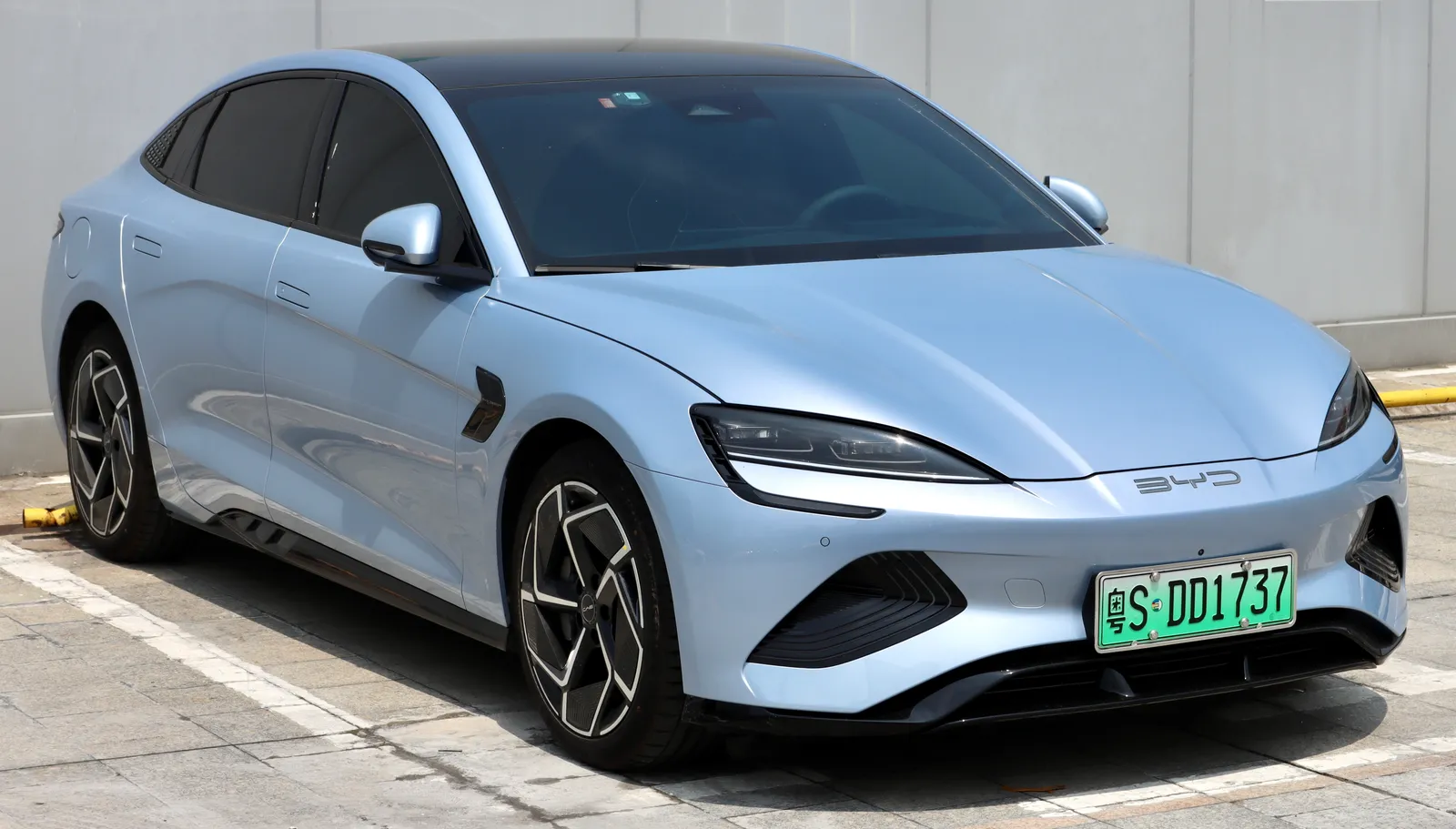
Chinese Electric Cars in Europe: The Complete Guide for 2026
When I first researched Chinese electric cars in Europe in 2023, most people still asked whether they were safe or reliable. By 2025 the conversation had shifted. Chinese brands captured 5.1% of the European market in the first half of that year—nearly double the year before—and BYD outsold Tesla in April. The skepticism I encountered early on has given way to real market acceptance. This guide covers what you need to know: brands, tariffs, safety, and how to buy sensibly.
The landscape has changed fast. BYD’s Hungary plant is up and running, EU tariffs have reshaped pricing, and consumers are 38% more open to Chinese EVs than a year ago. What hasn’t changed is the need to verify Euro NCAP ratings, understand warranty terms, and check dealer coverage before you commit. Our Chinese EV safety guide and how to buy Chinese EV go deeper on those.
📅 Last Updated: March 2026
| Quick Reference | Chinese Electric Cars Europe |
|---|---|
| Market Share (H1 2025) | 5.1% (nearly doubled from previous year) |
| Top Brands | BYD, MG (SAIC), NIO, Chery, Xpeng |
| Price Advantage | Typically 20% cheaper than European alternatives |
| EU Tariffs | 7.8% to 45.3% (implemented October 2024) |
| Safety Standards | Euro NCAP 5-star ratings available |
| Manufacturing | BYD Hungary plant operational (October 2025) |
| Consumer Acceptance | 38% more open compared to a year ago |
Market Overview: Chinese EVs in Europe 2025-2026
The European electric vehicle market has seen strong growth from Chinese manufacturers. In the first half of 2025, Chinese electric cars in Europe achieved a 5.1% market share, just behind Mercedes-Benz at 5.2%. That is nearly a doubling of market presence in a single year.
Rapid Market Share Growth
Chinese EV registrations surged 91% in the first half of 2025 compared to the previous year. January 2025 alone saw 37,134 Chinese electric vehicles registered across Europe—a 52% year-on-year increase. In the UK, Chinese brands captured 9.7% of the market in 2025 (196,000 vehicles), nearly doubling from 4.9% in 2024.
Chinese electric cars in Europe now represent 16.9% of the EU’s battery electric vehicle (BEV) market as of November 2025. This growth occurred despite EU tariffs in October 2024, suggesting price competitiveness and product quality matter beyond cost alone.
Sales Performance and Key Players
BYD emerged as the standout performer, registering 70,500 units in the first half of 2025—a staggering 311% year-on-year growth. In April 2025, BYD achieved a historic milestone by outselling Tesla for the first time in Europe, with 7,231 battery-electric vehicles compared to Tesla’s 7,165 units. This moment symbolized the shifting dynamics of the European EV market.
MG (SAIC Motor) maintained strong performance with 85,000 units sold in the UK during 2025, while BYD reached 51,000 units in the same market. Chery brands collectively achieved 54,000 UK sales. These figures demonstrate that Chinese electric cars in Europe are not merely gaining market share—they’re establishing sustainable sales volumes across multiple markets.
Market Context and Trends
The broader context reveals China’s dominance in EV imports: 55% of extra-EU electric car imports in 2024 originated from China. This statistic highlights the scale of Chinese EV manufacturing capacity and its focus on European markets. The growth trajectory suggests Chinese electric cars in Europe will continue expanding their presence, with projections indicating potential market share reaching 15% in the near term.
The market growth has been particularly strong in certain regions. UK, Spain, and Poland show high interest levels, while younger consumers and Nordic markets demonstrate the strongest acceptance of Chinese EV brands. Germany remains more resistant, with Chinese brands holding less than 2% market share due to strong preference for high-performance heritage brands.
Why Chinese Electric Cars Are Popular in Europe
Understanding why Chinese electric cars in Europe have gained such traction requires examining multiple factors beyond simple pricing. While cost advantages play a significant role, technology, strategic market positioning, and expanding model availability all contribute to their success.
Competitive Pricing Advantage
The most immediately apparent advantage of Chinese electric cars in Europe is their pricing. On average, Chinese EVs cost approximately 20% less than comparable European alternatives. This price differential makes electric vehicle ownership accessible to a broader segment of consumers who might otherwise delay their transition to electric mobility.
For example, the BYD Dolphin starts around €28,000-38,000 in Europe, while the MG4 EV ranges from €25,990-€38,000. These price points undercut European competitors like the Volkswagen ID.3 and Renault Megane E-Tech, which typically start above €35,000. The affordability factor becomes even more significant when considering that Chinese cars typically cost about twice their domestic price in Europe—meaning even at European prices, they represent value compared to Western competitors.
Advanced Technology and Innovation
Chinese electric cars in Europe often feature technology that matches or exceeds European offerings. BYD’s Blade Battery technology, for instance, addresses safety concerns through its unique cell-to-pack design that reduces fire risk. Many Chinese EVs come with advanced driver assistance systems, sophisticated infotainment platforms, and competitive charging capabilities as standard equipment rather than expensive options.
The development speed of Chinese manufacturers also stands out: new models can reach market in approximately 18 months, compared to much longer development cycles for Western manufacturers. This rapid innovation cycle means Chinese electric cars in Europe often feature newer technology and more recent design language than competitors.
Strategic Market Approach
Chinese manufacturers have taken a deliberate, strategic approach to the European market. Rather than simply exporting vehicles, they’ve invested in establishing dealer networks, hiring industry veterans, and building service infrastructure. BYD’s establishment of European headquarters in Hungary, along with manufacturing facilities, demonstrates long-term commitment to the market.
Brands like NIO have focused on premium positioning and unique features like battery swapping stations. MG has leveraged its British heritage (despite Chinese ownership) to build brand recognition. These strategic approaches show Chinese manufacturers understand that success in Europe requires more than competitive pricing—it demands brand building and customer service excellence.
Growing Model Availability
The variety of Chinese electric cars in Europe has expanded dramatically. At least 20 different Chinese EV models are currently available, covering segments from compact city cars to premium SUVs. This breadth of choice allows consumers to find Chinese EVs that match their specific needs, whether they prioritize affordability, range, performance, or luxury features.
The model expansion continues with new entrants planned for 2026, including Xpeng’s Mona series, Changan’s Deepal models, and NIO’s Firefly sub-brand. This growing availability means consumers have increasing options when considering Chinese electric cars in Europe.
EU Tariffs and Their Impact
The European Union’s implementation of tariffs on Chinese electric vehicles represents one of the most significant policy developments affecting the market. Understanding these tariffs, their rates, and their actual impact is crucial for anyone considering Chinese electric cars in Europe.
Tariff Implementation (October 2024)
On October 29, 2024, the European Commission implemented provisional anti-subsidy tariffs on electric vehicles imported from China. These tariffs range from 7.8% to 45.3%, applied on top of the standard 10% car import duty. The EU’s rationale centered on unfair Chinese government subsidies, including cheap loans, inexpensive land, direct EV incentives, and below-market battery costs.
The tariff implementation followed an investigation that concluded Chinese EV manufacturers benefited from subsidies that distorted competition in the European market. However, the tariffs have not halted the growth of Chinese electric cars in Europe—registrations increased 59% in April 2025 compared to the previous year, suggesting manufacturers absorbed costs or found alternative strategies.
Tariff Rates by Manufacturer
The tariff rates vary significantly by manufacturer, reflecting different levels of cooperation with the EU investigation and varying subsidy structures:
| Manufacturer | Tariff Rate | Notes |
|---|---|---|
| Tesla | 7.8% | Lowest rate due to cooperation |
| BYD | 17.4% | Mid-range rate |
| SAIC (MG) | 35.3% | Higher rate, limited cooperation |
| Geely | 20.0% | Mid-range rate |
| Other Chinese Brands | 21.0% | Default rate |
| Non-Cooperating Companies | 45.3% | Maximum rate |
These differential rates create competitive dynamics within the Chinese EV market itself. Tesla, despite being an American company manufacturing in China, received the lowest rate due to its cooperation with the investigation. BYD’s 17.4% rate positions it more favorably than SAIC’s 35.3% rate for MG vehicles.
Alternative Solutions: Price Undertakings
In January 2026, the EU announced an alternative to tariffs: price undertakings. This mechanism allows manufacturers to commit to minimum price levels for their vehicles in Europe, avoiding tariffs if they maintain these price floors. This approach provides flexibility for manufacturers while protecting European market pricing.
Price undertakings represent a pragmatic solution that acknowledges the complexity of global supply chains. For consumers, this means Chinese electric cars in Europe may maintain price stability even as manufacturers seek to optimize their European market strategies.
Market Response Despite Tariffs
The most telling indicator of Chinese EV strength in Europe is the market’s continued growth despite tariff implementation. April 2025 saw Chinese EV registrations increase 59% year-over-year, demonstrating that tariffs have not significantly dampened demand or manufacturer commitment to the European market.
Manufacturers have responded through multiple strategies: absorbing tariff costs, optimizing supply chains, and accelerating plans for European manufacturing. The fact that Chinese electric cars in Europe continue growing suggests the fundamental value proposition—combining competitive pricing, advanced technology, and improving brand recognition—remains compelling even with tariff-adjusted pricing.
Chinese EV Manufacturing in Europe
The establishment of Chinese manufacturing facilities in Europe represents a strategic evolution beyond simple import strategies. Local production addresses tariff concerns, reduces logistics costs, and demonstrates long-term commitment to European markets.
BYD’s European Expansion
BYD has taken the lead in European manufacturing among Chinese EV manufacturers. The company’s European headquarters and assembly plant in Hungary began operations in October 2025, creating 2,000 jobs and establishing BYD’s first major European production facility. This facility complements BYD’s existing electric bus factory in Komarom, Hungary, which has been operational since April 2016.
The Hungary facility represents more than assembly—it’s a statement of intent. BYD has publicly stated its goal to become Europe’s leading EV maker by 2030, and local manufacturing is essential to achieving this ambition. The facility enables BYD to produce vehicles closer to European consumers while potentially reducing tariff impacts.
Hungary: First Manufacturing Hub
Hungary’s selection as BYD’s first European manufacturing location reflects several strategic considerations. The country offers competitive labor costs within the EU, established automotive supply chains, and proximity to major European markets. Hungary’s position in Central Europe provides logistical advantages for distribution across the continent.
The Hungary facility’s October 2025 operational start means BYD vehicles assembled there may qualify for different tariff treatment or avoid import duties entirely, depending on local content requirements. This manufacturing presence strengthens BYD’s position as a serious long-term player in the European EV market.
Turkey: Second Production Facility
BYD announced plans for a second European manufacturing facility in Turkey, scheduled to begin operations in March 2026. Combined with the Hungary plant, these facilities will have a combined capacity of 500,000 cars per year—a significant production footprint that demonstrates BYD’s commitment to European markets.
Turkey’s selection offers advantages including EU customs union membership (reducing trade barriers), competitive manufacturing costs, and strategic location bridging European and Asian markets. The Turkey facility expands BYD’s European manufacturing capacity while diversifying its production base.
Future Manufacturing Plans
BYD is actively considering a third European manufacturing location, with site selection expected within 7-8 months. Germany was reportedly considered but faces challenges including high labor and energy costs. The third facility would further expand BYD’s European production capacity and potentially serve specific regional markets.
Other Chinese manufacturers are also exploring European manufacturing. The trend toward local production suggests Chinese electric cars in Europe will increasingly be “Made in Europe” rather than imported, potentially changing consumer perceptions and regulatory treatment.
Top Chinese EV Brands in Europe
Understanding the landscape of Chinese electric cars in Europe requires examining individual brands, their positioning, models, and market strategies. Each brand brings distinct characteristics and appeals to different consumer segments.
BYD: Market Leader
BYD has established itself as the leading Chinese EV brand in Europe, with 70,500 units registered in the first half of 2025—representing 311% year-on-year growth. The company’s success stems from multiple factors: competitive pricing, advanced battery technology, and strategic market positioning.
Key Models:
- BYD Dolphin: Compact hatchback, €28,000-€38,000, 311-427 km WLTP range
- BYD Atto 3: Compact SUV, competitive pricing, 420 km WLTP range
- BYD Seal: Premium sedan, advanced technology, strong performance
Strengths:
- Blade Battery technology addressing safety concerns
- High interior quality and finish
- Strong resale value compared to other Chinese brands
- Expanding dealer and service network
- European manufacturing presence (Hungary, Turkey)
Considerations:
- Heavier steering feel compared to some competitors
- Charging infrastructure support expanding but still developing outside major cities
BYD’s market leadership position reflects its comprehensive approach: competitive products, strategic manufacturing investments, and commitment to building brand credibility in Europe.
MG (SAIC Motor): Affordable Option
MG leverages its British heritage (despite Chinese ownership under SAIC Motor) to build brand recognition while offering some of the most affordable Chinese electric cars in Europe. The brand achieved 85,000 UK sales in 2025, demonstrating strong market acceptance.
Key Models:
- MG4 EV: Sporty hatchback, €25,990-€38,000, 350-450 km WLTP range
- MG ZS EV: Compact SUV, practical dimensions, competitive pricing
- MG Cyberster: Electric roadster, unique positioning, 444-509 km range
Strengths:
- Extremely competitive pricing
- Sporty handling and driving dynamics
- Strong 7-year/150,000 km warranty
- British brand heritage appeals to certain consumers
- Expanding dealer network
Considerations:
- Functional but less premium interior materials
- Dealer network still expanding in some regions
- Higher tariff rate (35.3%) affects pricing competitiveness
MG’s positioning as an affordable, sporty option has resonated with European consumers seeking electric mobility without premium pricing. The brand’s success demonstrates that Chinese electric cars in Europe can compete effectively when combining competitive pricing with appealing product characteristics.
NIO: Premium Positioning
NIO takes a distinctly different approach, positioning itself as a premium brand comparable to established luxury manufacturers. The company focuses on high-end features, innovative battery swapping technology, and exceptional customer service.
Key Models:
- NIO ET5: Premium sedan, advanced technology, competitive range
- NIO ET7: Flagship sedan, luxury positioning, exceptional performance
- NIO ES6/ES8: Premium SUVs, spacious interiors, advanced features
Strengths:
- Premium brand positioning and product quality
- Innovative battery swapping network (reducing charging time concerns)
- Exceptional customer service and ownership experience
- Advanced autonomous driving technology
- Strong brand building and marketing
Considerations:
- Higher pricing than other Chinese brands
- Battery swapping network coverage still expanding
- Premium positioning limits mass market appeal
NIO’s premium approach demonstrates that Chinese electric cars in Europe can compete at the high end of the market, not just in affordable segments. The brand’s focus on innovation and customer experience shows Chinese manufacturers can build premium brand equity.
Other Notable Brands (Chery, Xpeng, Leapmotor)
Several other Chinese brands are establishing European presence:
Chery: Entering European markets with models like the Omoda E5, focusing on value and practicality. The brand achieved 54,000 UK sales in 2025 across its various sub-brands.
Xpeng: Positioning as a technology leader with advanced autonomous driving capabilities. The G6 and G9 models offer competitive technology and performance, with plans for mass-market Mona series in 2026.
Leapmotor: Offering extremely affordable options like the T03 city car, starting from €15,000 before incentives. The brand targets price-sensitive consumers seeking basic electric mobility.
These brands demonstrate the diversity of Chinese electric cars in Europe—from premium luxury to ultra-affordable city cars, Chinese manufacturers are covering the full spectrum of consumer needs and price points.
Buyer Concerns: Safety, Reliability, and Resale Value
Prospective buyers of Chinese electric cars in Europe often have legitimate concerns about safety, reliability, and long-term value retention. Addressing these concerns honestly and comprehensively helps consumers make informed decisions.
Safety Concerns and Battery Fires
Safety represents perhaps the most significant concern for consumers considering Chinese electric cars in Europe. Reports of battery fire incidents in China have raised questions about whether Chinese EVs meet European safety standards.
Reality Check:
- Chinese EVs sold in Europe must meet Euro NCAP safety standards, and many achieve 5-star ratings
- BYD’s Blade Battery technology specifically addresses fire safety through its cell-to-pack design
- Lithium Iron Phosphate (LFP) battery options, common in Chinese EVs, offer improved thermal stability compared to some NMC chemistries
- European certification processes ensure vehicles meet strict safety requirements before sale
What to Verify:
- Check Euro NCAP ratings for specific model variants (ratings can vary by trim level)
- Confirm battery chemistry and safety features
- Review independent safety testing and reviews
- Understand manufacturer safety warranties and commitments
The safety record of Chinese electric cars in Europe, supported by Euro NCAP certifications, suggests that safety concerns may be overstated when considering vehicles specifically designed and certified for European markets.
Reliability and Brand Trust
Reliability concerns stem from unfamiliarity with Chinese brands and limited long-term track records in European markets. Consumers wonder whether Chinese electric cars in Europe will prove reliable over years of ownership.
Manufacturer Responses:
- Expanding dealer networks and service infrastructure
- Hiring industry veterans with European market experience
- Offering competitive warranties (e.g., MG’s 7-year/150,000 km warranty)
- Investing in parts supply chains and technical support
- Building brand credibility through consistent product quality
Market Evidence:
- 11% EV market share achieved suggests reliability sufficient for consumer acceptance
- Growing owner satisfaction and repeat purchase consideration
- Expanding service networks reduce concerns about support availability
While long-term reliability data remains limited for some brands, manufacturers are actively addressing reliability concerns through warranty programs, service network expansion, and product quality improvements.
Resale Value Challenges
Resale value represents a legitimate concern for Chinese electric cars in Europe. Limited used market data and brand recognition challenges can affect depreciation rates compared to established European brands.
Current Situation:
- Resale values improving as brands establish market presence
- BYD shows stronger resale value than some other Chinese brands
- Service network expansion helps protect resale values
- Brand credibility building over time supports value retention
Factors Affecting Resale Value:
- Brand recognition and market acceptance
- Service network availability and parts supply
- Warranty transferability and remaining coverage
- Model popularity and market demand
- Overall EV market dynamics and technology evolution
Mitigation Strategies:
- Choose models with established market presence
- Verify warranty transferability
- Consider longer ownership periods to maximize value
- Research specific model resale trends where available
While resale value concerns are valid, they must be balanced against lower initial purchase prices. The total cost of ownership calculation may still favor Chinese electric cars in Europe even with faster depreciation, depending on individual circumstances.
How Manufacturers Are Addressing Concerns
Chinese manufacturers recognize these concerns and are actively addressing them:
- Safety: Investing in advanced battery technology, achieving Euro NCAP ratings, and transparently communicating safety features
- Reliability: Expanding service networks, offering competitive warranties, and building parts supply chains
- Resale Value: Establishing brand credibility, expanding market presence, and supporting used vehicle markets
These efforts demonstrate that manufacturers understand long-term success requires addressing consumer concerns, not just offering competitive pricing.
Chinese EVs vs European Brands and Tesla
Understanding how Chinese electric cars in Europe compare to established competitors helps contextualize their market position and value proposition.
Market Share Comparison
The market share numbers tell a compelling story: Chinese brands achieved 5.1% market share in H1 2025, positioning them just behind Mercedes-Benz at 5.2%. This proximity to a premium European brand demonstrates how quickly Chinese electric cars in Europe have gained market acceptance.
Tesla’s position has declined, dropping from 2.4% to 1.6% market share in H1 2025. BYD’s April 2025 achievement of outselling Tesla (7,231 vs 7,165 units) symbolized this shift. Tesla faces challenges including aging model lineup, production halts, and reputational issues, while Chinese manufacturers benefit from faster innovation cycles and competitive pricing.
Price and Value Proposition
Chinese electric cars in Europe typically cost approximately 20% less than European alternatives, creating a significant value proposition. This price advantage makes electric vehicle ownership accessible to consumers who might otherwise delay their EV transition.
The value equation extends beyond initial pricing. Chinese EVs often include advanced technology as standard equipment rather than expensive options. Features like advanced driver assistance systems, sophisticated infotainment, and competitive charging capabilities come included, enhancing the value proposition compared to European competitors where similar features require additional investment.
Technology and Innovation Speed
Chinese manufacturers demonstrate faster innovation cycles, with new models reaching market in approximately 18 months compared to much longer development cycles for Western manufacturers. This speed advantage means Chinese electric cars in Europe often feature newer technology and more recent design language.
The technology gap has narrowed significantly. Chinese EVs now offer competitive or superior technology in areas like battery efficiency, charging speed, infotainment systems, and driver assistance features. The perception that Chinese manufacturers lag in technology no longer matches reality for many models.
Tesla’s Declining Position
Tesla’s declining market share in Europe reflects multiple challenges:
- Aging Model Lineup: Limited new model introductions compared to rapid Chinese expansion
- Production Issues: Halts and delays affecting availability
- Reputational Challenges: Quality concerns and service issues
- Competitive Pressure: Chinese brands offering similar or superior features at lower prices
The fact that BYD outsold Tesla in April 2025 demonstrates that Chinese electric cars in Europe can compete effectively even against established EV leaders. This competitive dynamic suggests the European EV market will continue evolving as Chinese brands gain strength.
Complete Buying Guide for European Consumers
For consumers considering Chinese electric cars in Europe, a systematic approach to evaluation helps ensure the right purchase decision. This buying guide covers key considerations, verification steps, and comparison strategies.
Key Considerations Before Buying
1. Define Your Needs
- Daily driving distance and range requirements
- Charging access (home charging availability)
- Passenger and cargo space needs
- Budget constraints and financing options
- Desired features and technology priorities
2. Research Specific Models
- Compare models within your price range
- Read independent reviews and owner feedback
- Verify availability in your country/region
- Check dealer network coverage in your area
- Understand warranty terms and service availability
3. Verify Market Presence
- Choose models with established European market presence when possible
- Verify parts availability and service support
- Check brand commitment to European markets
- Research resale value trends where available
Safety Certification Requirements
Essential Verification Steps:
-
Euro NCAP Ratings: Verify 5-star ratings for specific model variants you’re considering. Ratings can vary by trim level, so confirm the exact variant’s rating.
-
Battery Safety: Understand battery chemistry (LFP vs NMC) and manufacturer safety technologies. BYD’s Blade Battery, for example, offers specific fire safety advantages.
-
Independent Testing: Review independent safety testing beyond Euro NCAP, including real-world safety data where available.
-
Manufacturer Safety Commitments: Understand manufacturer safety warranties and how they address potential safety concerns.
💡 Pro Tip: Don’t assume all variants of a model have the same Euro NCAP rating. Always verify the specific trim level you’re considering, as safety equipment can vary.
Range and Charging Compatibility
Range Considerations:
-
WLTP vs NEDC: Always use WLTP-certified range figures, not older NEDC ratings. WLTP provides more realistic range estimates.
-
Real-World Range: Expect 10-20% less range than WLTP in real-world conditions, depending on driving style, weather, and usage patterns.
-
Charging Speed: Verify DC fast charging capabilities and compatibility with European CCS Combo charging infrastructure.
-
Home Charging: Ensure compatibility with home charging solutions and understand installation requirements.
Charging Network Compatibility:
- Verify CCS Combo 2 connector compatibility (European standard)
- Check manufacturer charging network partnerships
- Understand public charging network access and payment methods
- Research fast charging availability on your typical routes
Warranty and Service Network
Warranty Evaluation:
- Coverage Terms: Understand warranty duration, mileage limits, and what’s covered
- Transferability: Verify whether warranty transfers to subsequent owners
- Battery Warranty: Check specific battery warranty terms and degradation guarantees
- Service Requirements: Understand maintenance requirements to maintain warranty coverage
Service Network Considerations:
- Dealer Proximity: Verify dealer/service center locations relative to your location
- Parts Availability: Research parts supply chain and typical wait times
- Service Quality: Read owner reviews about service experience
- Mobile Service: Check if manufacturers offer mobile service options
💡 Pro Tip: MG’s 7-year/150,000 km warranty is among the best in the market. Compare warranty terms carefully, as they significantly affect long-term ownership costs.
Price Comparison and Value Analysis
Pricing Research:
- Base Pricing: Compare starting prices across competing models
- Trim Levels: Understand what’s included at each price point
- Options and Packages: Calculate total cost with desired features
- Government Incentives: Research available EV incentives in your country
- Financing Options: Compare manufacturer financing vs. third-party options
Total Cost of Ownership:
Consider these factors beyond initial purchase price:
- Depreciation and resale value
- Charging costs (home vs. public)
- Insurance premiums
- Maintenance and service costs
- Warranty coverage and potential repair costs
Value Comparison:
Chinese electric cars in Europe typically offer:
- Lower initial purchase prices (approximately 20% less)
- More standard features and technology
- Competitive warranty terms
- Potentially faster depreciation (offset by lower initial cost)
Create a spreadsheet comparing total cost of ownership over your expected ownership period to make an informed decision.
Top Models by Category
Best Value:
- MG4 EV: Sporty handling, competitive pricing, strong warranty
- BYD Dolphin: Practical, well-equipped, competitive range
Best Range:
- BYD Seal: Premium sedan, competitive range, advanced technology
- MG4 EV Long Range: Extended range variant with competitive pricing
Best Premium Option:
- NIO ET5/ET7: Luxury positioning, advanced technology, exceptional service
- BYD Seal: Premium features at competitive pricing
Most Affordable:
- Leapmotor T03: Ultra-affordable city car option
- MG4 EV: Lowest-priced mainstream option
Common Misconceptions About Chinese EVs
Several misconceptions persist about Chinese electric cars in Europe. Addressing these myths with factual information helps consumers make informed decisions.
Quality Concerns Debunked
Misconception: “Made in China” means low quality.
Reality: Chinese EV manufacturers demonstrate high quality standards and advanced manufacturing capabilities. Many Chinese EVs feature premium materials, sophisticated engineering, and quality control processes comparable to established manufacturers. Euro NCAP 5-star ratings and positive owner reviews demonstrate quality sufficient for European market acceptance.
The “Made in China” quality concern reflects outdated perceptions. Modern Chinese manufacturing, particularly in high-tech sectors like electric vehicles, has achieved world-class standards. Chinese electric cars in Europe undergo the same certification processes as European vehicles, ensuring quality standards.
Market Performance Evidence
Misconception: Chinese EVs won’t sell well in Europe due to brand perception.
Reality: Market performance contradicts this assumption. Chinese brands achieved 5.1% market share in H1 2025, with 91% growth year-over-year. Consumer acceptance is growing, with 38% of European consumers more open to Chinese EVs compared to a year ago, and 59% of existing EV drivers would consider a Chinese-made EV for their next purchase.
The market performance demonstrates that when Chinese electric cars in Europe offer competitive products at attractive prices, consumers respond positively regardless of brand origin. Brand perception is evolving as consumers experience Chinese EVs firsthand.
Regulatory Compliance
Misconception: Chinese EVs don’t meet European regulatory standards.
Reality: All Chinese electric cars sold in Europe must meet European regulatory requirements, including Euro NCAP safety standards, emissions regulations, and type approval processes. Many Chinese EVs achieve 5-star Euro NCAP ratings, demonstrating compliance with European safety standards.
The regulatory compliance misconception may stem from confusion about different markets. Vehicles designed for Chinese domestic markets may have different standards, but Chinese electric cars in Europe are specifically designed and certified for European regulations.
Real-World Owner Experiences
Misconception: Chinese EVs have poor reliability and owner satisfaction.
Reality: Owner experiences vary by brand and model, but many owners report positive experiences. A BYD Dolphin owner completed a 1,000-mile road trip from Spain to Germany, finding the journey “more relaxing than a gasoline car.” Nearly half of survey respondents agree Chinese EVs offer value for money, and 40% believe premium Chinese EVs are as good as competitors.
While long-term reliability data remains limited for some brands, early owner experiences suggest Chinese electric cars in Europe can provide satisfactory ownership experiences. As service networks expand and brands establish market presence, reliability concerns may further diminish.
Future Outlook: Upcoming Brands and Market Predictions
The landscape of Chinese electric cars in Europe continues evolving, with new brands entering markets and existing manufacturers expanding their presence. Understanding future developments helps consumers make informed decisions about timing and model selection.
New Entrants (Changan, Xpeng Mona, Nio Firefly)
Changan: Launched in March 2025 across 10 European markets including Norway, Denmark, Germany, Netherlands, and Britain. Models include the Deepal S07 SUV (€45,000), Deepal S05, and Changan E07. The company is considering a European factory and plans hybrid vehicles from 2026.
Xpeng Mona: Planned 2026 launch of mass-market series starting under $17,000 in China. The brand has expanded to 60 countries by 2025 and represents Xpeng’s move into more affordable segments.
NIO Firefly: Expected early H1 2025 launch targeting Smart and Mini competitors. The sub-brand will use battery swapping stations costing a third less than standard NIO infrastructure, enabling more affordable access to NIO’s unique battery swapping technology.
Other Expansions:
- Chery Jetour entering Poland November 2025
- Geely launching eponymous brand in Britain Q4 2025
- BYD Seagull low-cost European version under €20,000 planned
These new entrants demonstrate continued commitment to European markets and expanding model availability across price segments.
Market Growth Projections
Short-term projections suggest Chinese brands could reach 15% market share, representing continued growth despite tariff implementation. The fundamental factors driving growth—competitive pricing, advanced technology, and improving brand recognition—remain in place.
The growth trajectory suggests Chinese electric cars in Europe will become increasingly mainstream rather than niche alternatives. As manufacturing localizes and service networks expand, barriers to adoption will further diminish.
Manufacturing Localization Trends
BYD’s goal of full local EU production by 2028 represents a significant trend toward manufacturing localization. As more Chinese manufacturers establish European production facilities, vehicles will increasingly be “Made in Europe” rather than imported, potentially changing consumer perceptions and regulatory treatment.
Local manufacturing addresses multiple challenges:
- Reduces or eliminates tariff impacts
- Shortens supply chains and reduces logistics costs
- Creates local jobs and economic benefits
- Potentially improves consumer perception
- Enables faster response to market demands
Long-Term Market Position
The long-term outlook suggests Chinese electric cars in Europe will establish sustainable market positions across multiple segments. From ultra-affordable city cars to premium luxury vehicles, Chinese manufacturers are covering the full spectrum of consumer needs.
The competitive dynamics will likely intensify as:
- More brands enter European markets
- Manufacturing localizes further
- Technology continues advancing
- Consumer acceptance grows
- Service networks mature
Chinese electric cars in Europe appear positioned for long-term success, not just short-term growth. The combination of competitive products, strategic market investments, and consumer acceptance suggests sustainable market presence.
Frequently Asked Questions
Q: Are Chinese electric cars safe for European roads?
A: Yes, Chinese electric cars sold in Europe must meet Euro NCAP safety standards. Many achieve 5-star ratings, and manufacturers like BYD invest in advanced safety technologies like the Blade Battery. Always verify the specific model variant’s Euro NCAP rating before purchase.
Q: How do Chinese EV prices compare to European brands?
A: Chinese electric cars in Europe typically cost approximately 20% less than comparable European alternatives. However, prices are typically about twice the domestic Chinese price, meaning European consumers pay more than Chinese buyers but still benefit from competitive pricing relative to European brands.
Q: What about warranty and service support?
A: Warranty terms vary by brand. MG offers an exceptional 7-year/150,000 km warranty, while other brands provide competitive coverage. Service networks are expanding rapidly, but verify dealer/service center availability in your area before purchase.
Q: Will EU tariffs affect Chinese EV prices?
A: Tariffs ranging from 7.8% to 45.3% were implemented in October 2024, but Chinese EV registrations continued growing (59% increase in April 2025). Manufacturers have absorbed costs or found alternative strategies. Price undertakings announced in January 2026 provide an alternative mechanism.
Q: Which Chinese EV brand is best for European consumers?
The “best” brand depends on your priorities. MG offers the strongest value with competitive pricing and warranty. BYD leads on sales and European manufacturing. NIO suits buyers who want premium positioning and battery swap. Leapmotor is the most affordable. Our Chinese EV brands overview breaks down each brand in detail.
Q: How is resale value for Chinese EVs?
A: Resale values are improving as brands establish market presence. BYD shows stronger resale value than some other Chinese brands. Faster depreciation compared to established European brands is often offset by lower initial purchase prices, making total cost of ownership competitive.
Q: Are Chinese EVs compatible with European charging infrastructure?
A: Yes, Chinese electric cars in Europe use the CCS Combo 2 connector, the European standard. They’re compatible with European charging networks. Verify specific charging speeds and network partnerships for models you’re considering.
Q: What’s the future outlook for Chinese EVs in Europe?
A: The outlook is strong. Market share reached 5.1% in H1 2025 with continued growth projected. Manufacturing localization (BYD Hungary/Turkey facilities) demonstrates long-term commitment. New brands continue entering markets, expanding model availability across price segments.
Related Guides
Explore these comprehensive guides for deeper insights into specific aspects of Chinese electric vehicles in Europe:
- BYD Dolphin Complete Guide - Detailed review of BYD’s affordable hatchback
- MG4 EV Complete Guide - Comprehensive guide to MG’s best-selling electric car
- BYD Atto 3 Complete Guide - In-depth look at BYD’s compact SUV
- NIO Battery Swap Technology - Understanding NIO’s innovative charging solution
- Chinese EV Buying Guide - Step-by-step purchasing process
- EU EV Tariffs Explained - Detailed analysis of tariff impacts
Official Sources and References
For authoritative information about Chinese electric cars in Europe, consult these official sources:
- European Commission - Trade Policy: Official EU trade policy and tariff information
- Eurostat - Trade and Production Statistics: Comprehensive trade and production data
- ACEA - European Automobile Manufacturers’ Association: Industry statistics and analysis
- JATO Dynamics - Vehicle Registration Data: Detailed vehicle registration and sales data
- Euro NCAP - Safety Ratings: Independent vehicle safety testing and ratings
Key Data Sources:
- JATO Dynamics European registration reports
- European Commission trade policy documents
- Eurostat trade statistics
- ACEA market analysis reports
- Independent automotive research organizations
Conclusion: Making the Right Choice
Chinese electric cars in Europe have moved from niche to mainstream—5.1% market share and 91% growth in H1 2025 tell the story. The question is no longer whether they’re viable, but which one fits your budget, range, and lifestyle.
When I recommend Chinese EVs to friends, I always stress three things: verify Euro NCAP for your exact trim, check dealer and service coverage where you live, and factor in resale. The Chinese EV dealers guide helps with the second. If you do that homework, the value on offer is real—especially for home chargers who don’t depend on public networks.
The market will keep evolving. Local manufacturing, new entrants, and shifting tariffs will change the calculus. What won’t change is the need to buy with your eyes open. Test drive, compare warranties, and choose a model with established support. Chinese EVs in Europe are here to stay; the ones that thrive will be those backed by real infrastructure and clear terms.
Other Guides
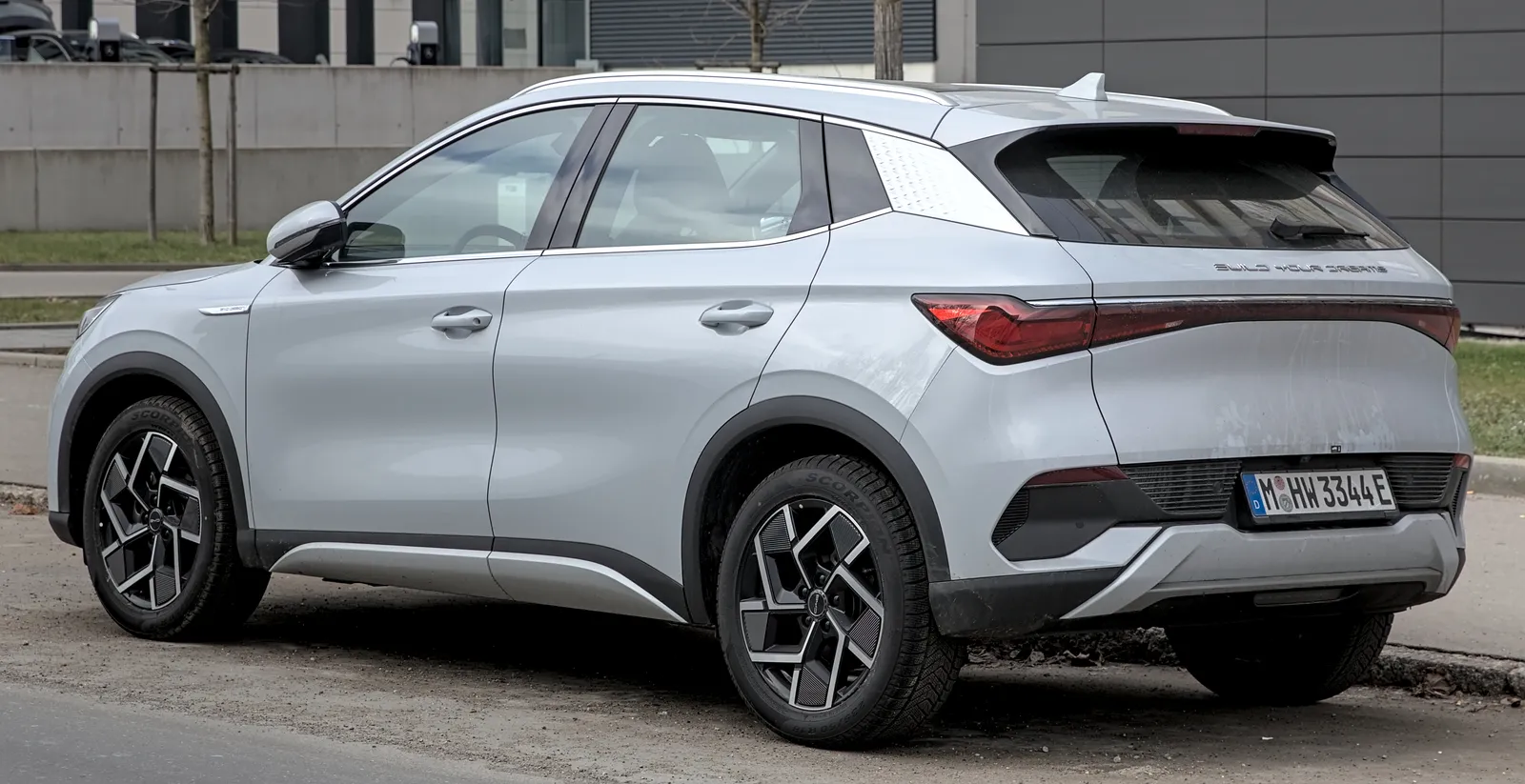
Best Value Chinese EV Europe: Affordable Picks by Budget
Best value Chinese EV and cheapest chinese ev europe: features per euro, TCO, affordable Chinese EV picks. Expert rankings 2026.
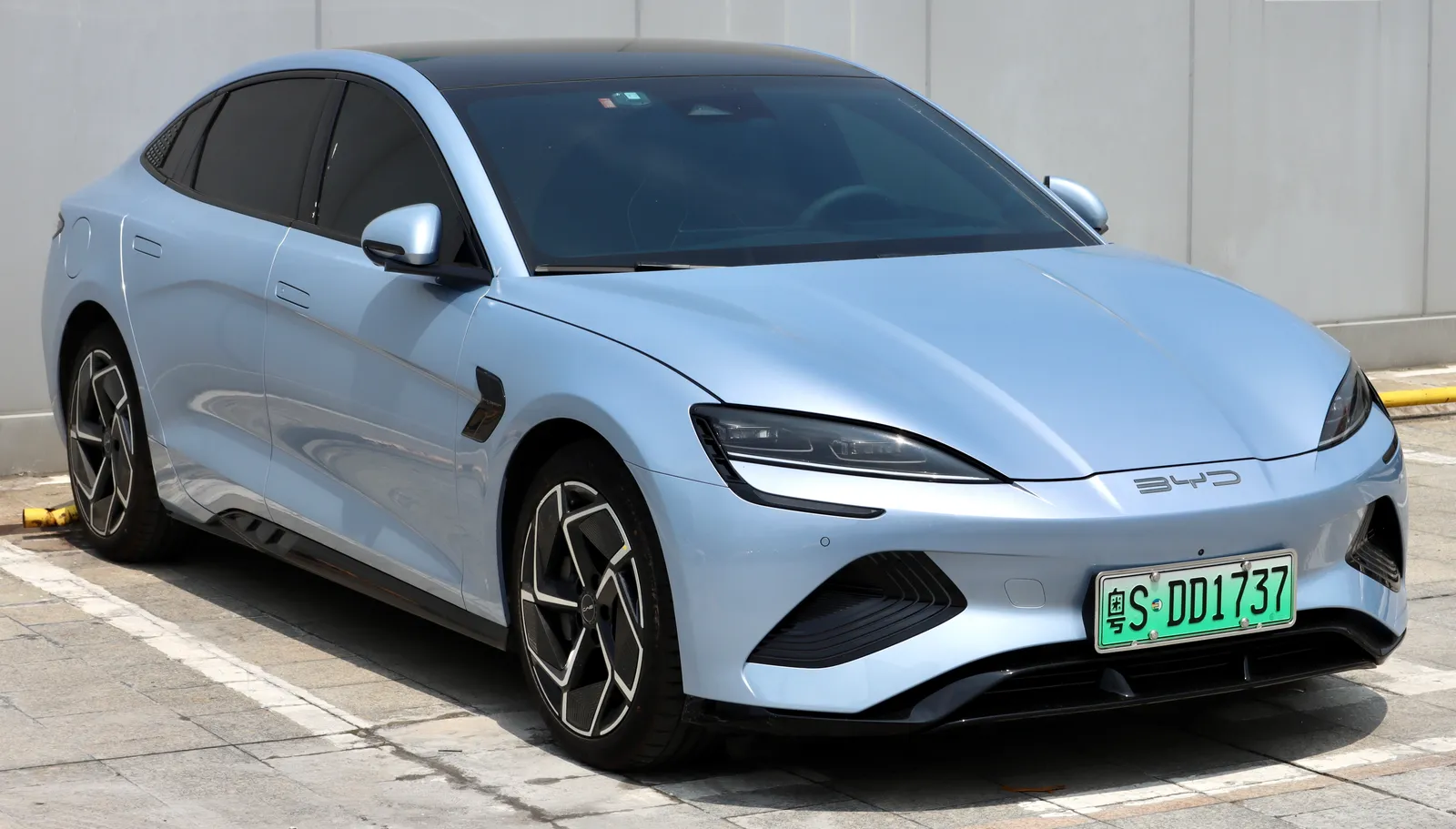
BYD Europe: Models, Where to Buy and What's Available
BYD Europe guide: all models, BYD Europe price, dealers, safety. Complete brand guide for UK, Germany, France.
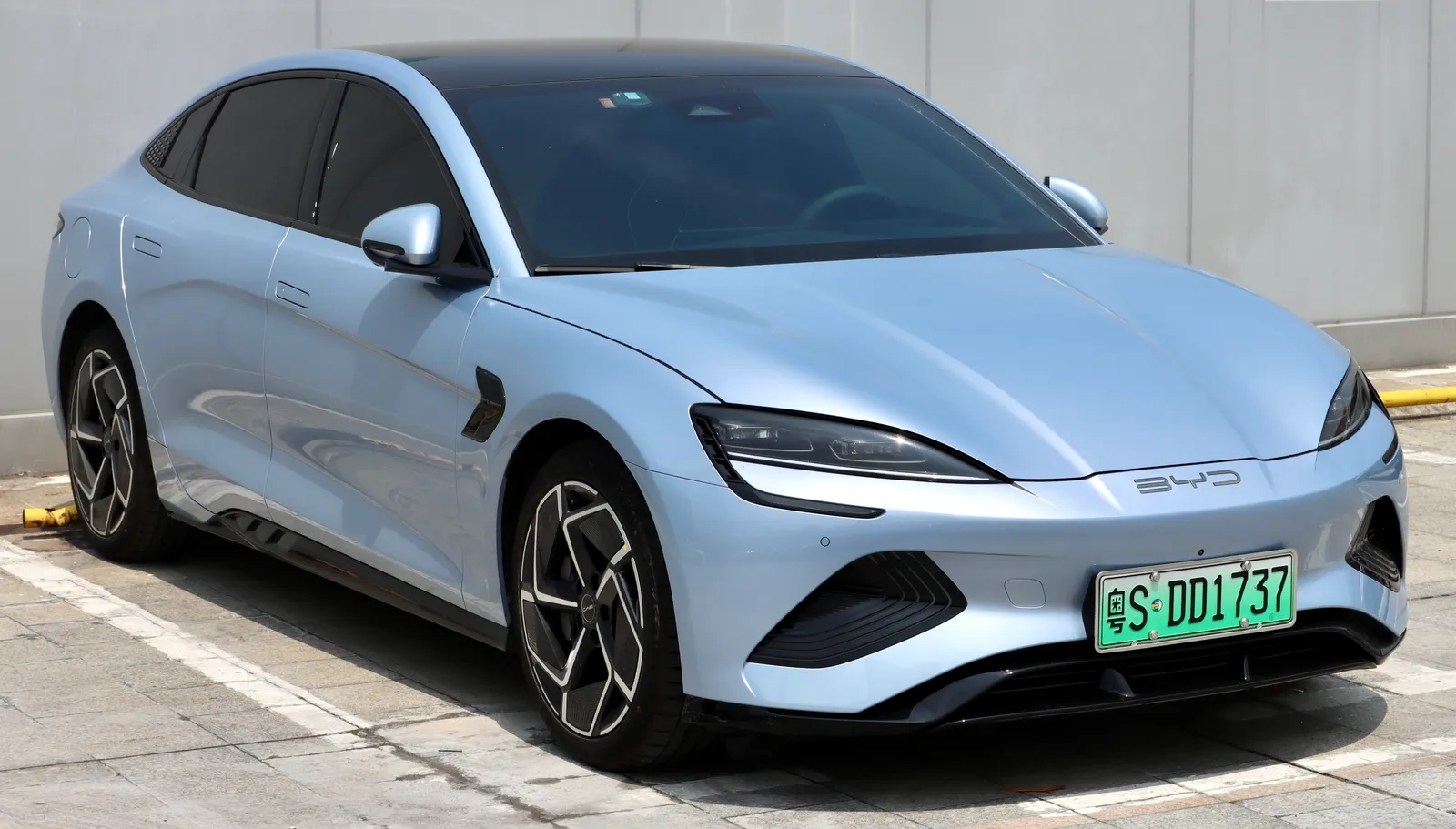
BYD Europe Price List 2026: All Models and Trim Costs
BYD Europe price: full model list, trims, UK/Germany/France. BYD price list Europe from €19,990 to €71,000.