BYD Seal vs Tesla Model 3: Specs, Price, Verdict 2026
BYD Seal vs Tesla Model 3: specs, range, price and real-world trade-offs. Clear verdict for European buyers.
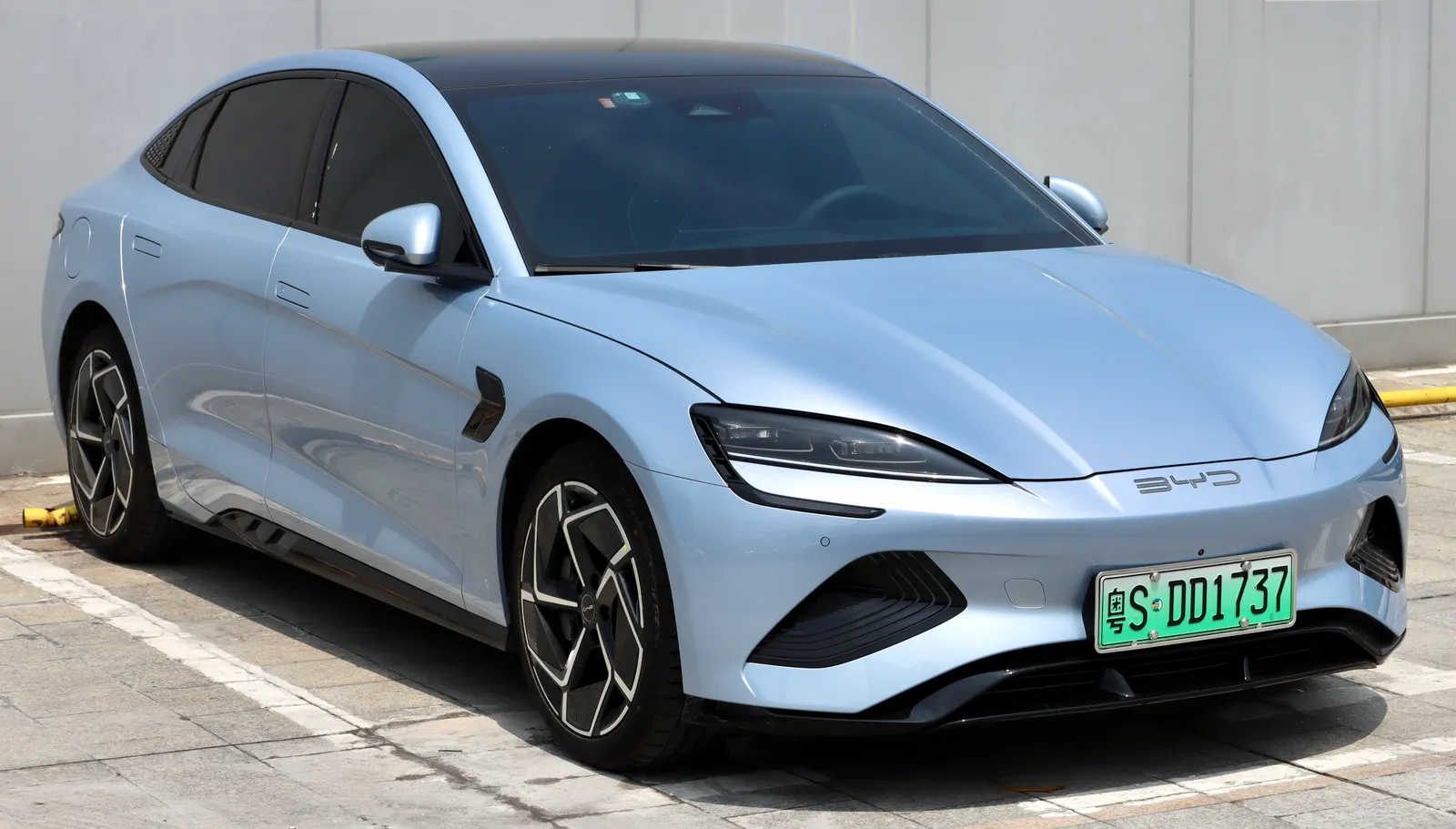
The BYD Seal and Tesla Model 3 are the two electric sedans most European buyers cross-shop. One is the benchmark: efficient, fast-charging, backed by the Supercharger network. The other undercuts on price, piles on kit, and feels like a normal car inside.
I’ve driven both. This comparison gives you a clear winner by category and a straight verdict. The Model 3 is for you if you care most about range, charging speed, and infrastructure. The Seal is for you if you want a warmer cabin, physical stalks, 360° camera, and a longer warranty—often for similar or lower outlay. For full reviews, see our BYD Seal review and Seal complete guide; for context, our best Chinese EVs 2026.
Last updated: March 2026
Dimensions and Cargo
| BYD Seal | Tesla Model 3 (Highland) | |
|---|---|---|
| Size | 4,800 × 1,875 × 1,460 mm, 2,920 mm wheelbase | 4,720 × 1,849 × 1,441 mm, 2,875 mm wheelbase |
| Boot / frunk | 400 L + 53 L | 561 L combined (sedan boot + 88 L frunk) |
The Seal sits in the same size class as the Model 3 and a BMW 3 Series—mid-size saloon. The Model 3 has the bigger usable boot thanks to its larger opening and 88 L frunk; the Seal’s 400 L boot is a conventional saloon opening.
Powertrain and Range
| BYD Seal | Tesla Model 3 (Highland) | |
|---|---|---|
| Battery | 61.4–82.6 kWh LFP (3 trims) | 60–75 kWh usable (RWD / LR / Perf) |
| Power / 0–100 | 150–390 kW, 7.6 s–3.8 s | 335 hp LR; 4.4 s–3.3 s (Perf) |
| Range | 460–570 km WLTP | ~510–590 km WLTP |
| DC charging | 110–150 kW CCS2 | 170–250 kW CCS2 |
Both use CCS2 in Europe. Euro NCAP: Model 3 (Highland) is tested and scores well; BYD Seal Euro NCAP ratings are pending at the time of writing.
WLTP and EPA are not directly comparable. In practice, the Model 3 Long Range goes further on a charge than the Seal Premium—highway and cold weather favour Tesla’s efficiency and heat pump. Expect roughly 300–320 miles mixed in the Seal Premium and 350–380 miles in the Model 3 Long Range. The Seal’s 150 kW peak means 10–80% in about 37 minutes; the Model 3 at 250 kW does it in about 25 minutes.
What’s Good and What’s Not
BYD Seal — What’s good
- Strong value: more standard equipment (rotating 15.6” screen, V2L, 360° camera, heated/cooled seats, Dynaudio).
- Physical stalks and conventional drive selector; easy for anyone coming from a normal car.
- 6-year / 150,000 km warranty (vs Tesla’s 4-year / 80,000 km); battery 8 years in both.
- Warmer, more conventional cabin; materials on par with or better than Model 3.
- Seal Performance AWD: 3.8 s 0–100 km/h, top acceleration in this pairing.
BYD Seal — What’s not
- Lane-keep assist can be overly eager on narrow or poorly marked roads; many will turn it down.
- 150 kW DC cap and no Supercharger access; long trips depend on the CCS network.
- Real-world range and efficiency lag the Model 3; larger battery doesn’t translate to more miles.
Tesla Model 3 — What’s good
- Best efficiency and real-world range in the class; Supercharger network and 250 kW charging.
- Responsive infotainment, OTA updates, strong Autopilot/ADAS.
- Lower entry price (e.g. UK: Model 3 RWD from £39,990 vs Seal Dynamic from ~£45,695).
- Boot + frunk and charging speed make it the better road-trip car.
Tesla Model 3 — What’s not
- Indicator and wiper on steering-wheel buttons; no Apple CarPlay/Android Auto. Some find key functions “touchscreen-only” awkward or distracting on the move.
- Minimalist interior and ride can feel clinical; Seal is more cosy and engaging to drive.
Pricing and Value (European Market)
BYD Seal (UK, March 2026): Dynamic RWD from £45,695, Premium RWD around £48,700, Performance AWD around £48,700–£50,000. Dealer discounts of roughly £2,800 are common, so effective Dynamic price can sit near £42,895.
Tesla Model 3 (UK): RWD £39,990, Long Range RWD £44,990, Long Range AWD £49,990, Performance £59,990.
Tesla wins on list price at entry level; the Seal wins on standard kit and warranty. If you want a fully loaded cabin and longer warranty, the Seal is the value pick. If you want the lowest monthly or total cost and best charging, the Model 3 is.
Interior and Tech: Two Philosophies
The Seal feels like a normal car: stalks, drive selector, curvy dash, cross-stitched seats. The 15.6” screen rotates; wireless Apple CarPlay and Android Auto are available (2025 model year). The cabin is quieter and more inviting than the Model 3’s for many drivers.
The Model 3 is minimalist: almost everything through the touchscreen and steering-wheel buttons. The UI is fast and logical, but no CarPlay/Android Auto and the lack of stalks divide opinion. If you prefer “get in and drive” with familiar controls, the Seal is the safer choice; if you like Tesla’s ecosystem and OTA updates, the Model 3 fits.
Driving and Comfort
The Seal is the more engaging car on a twisty road—better feedback and a slightly warmer ride. Body control is good but not razor-sharp; there’s some roll when you push on. Motorway refinement is strong; wind and road noise are well contained.
The Model 3 is composed and efficient to drive, with sharp steering and good body control. Some find it a bit cold and clinical; the Seal has the edge for driver involvement and cabin cosiness. Both are comfortable for long trips; neither has a glaring comfort flaw.
Category Verdicts
| Category | Winner | Why |
|---|---|---|
| Range | Tesla Model 3 | Better efficiency and real-world range; heat pump helps in cold weather. |
| Performance (peak) | BYD Seal Performance | 3.8 s 0–100 km/h; mid-range RWD comparison favours Model 3 (5.2 s vs 5.9 s). |
| Value | BYD Seal | More kit as standard, longer warranty, often similar or lower effective price. |
| Technology / charging | Tesla Model 3 | 250 kW DC, Supercharger network, OTA, Autopilot. |
| Interior and ergonomics | BYD Seal | Physical controls, warmer cabin, CarPlay/Android Auto, 360° camera. |
Which Should You Buy?
Overall winner: Tesla Model 3 for most buyers. It delivers the best range, fastest charging, and Supercharger access, with a lower entry price and proven resale. If your priority is efficiency, long trips, or charging peace of mind, the Model 3 is the clear choice.
Choose the BYD Seal if you want maximum standard equipment, a longer warranty, conventional controls, and a more traditional interior. It’s the better value and the better fit for “traditional” drivers who don’t want to relearn where the indicators live. The Seal Performance is the one to pick if outright acceleration matters more than range.
Both are strong electric sedans. The Model 3 stays the default recommendation; the Seal is the stronger alternative if value and ergonomics outweigh Tesla’s charging and efficiency edge.
Frequently Asked Questions
Is the BYD Seal as efficient as the Tesla Model 3?
No. The Model 3 is more efficient (e.g. ~4.7 vs ~4.5 miles/kWh in comparable trims). The Seal’s larger battery doesn’t make up the gap; the Model 3 typically goes further in the real world.
Does the BYD Seal use CCS2 in Europe?
Yes. The Seal uses the standard CCS2 DC port and Type 2 AC, so it works on the European public charging network (excluding Tesla-only Superchargers).
Which has more boot space, BYD Seal or Tesla Model 3?
The Model 3 offers more usable space thanks to its larger boot and 88 L frunk. The Seal has a 400 L saloon boot plus a 53 L frunk.
Is the BYD Seal cheaper than the Tesla Model 3?
List price: the Model 3 RWD often starts lower. Once dealer discounts and equipment are factored in, the Seal can look better value—more standard kit and a 6-year warranty versus Tesla’s 4-year.
Which is better for long motorway trips?
The Tesla Model 3: better real-world range, 250 kW charging, and access to the Supercharger network make it the more practical choice for frequent long-distance driving.
Other Guides
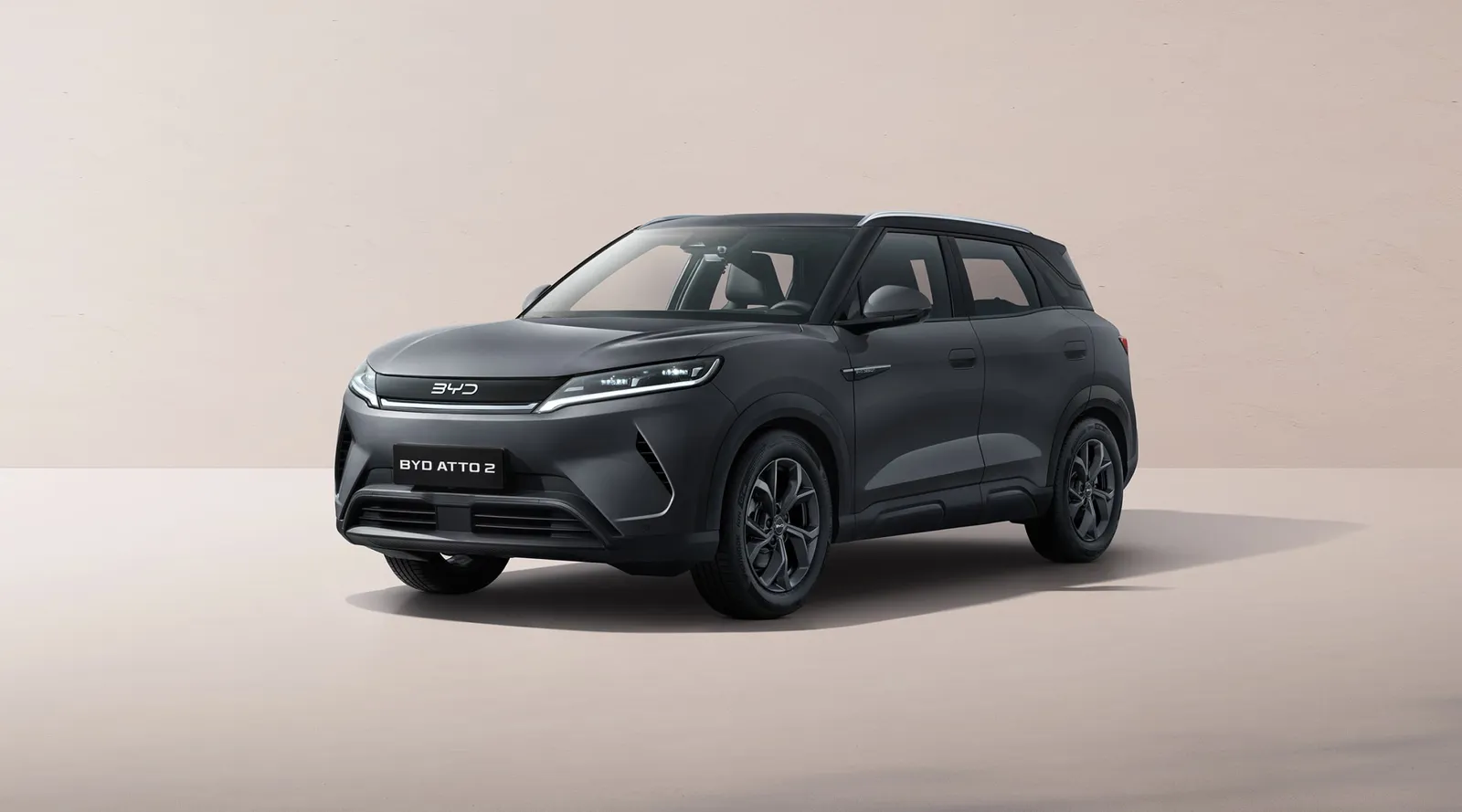
BYD Atto 2 Review: Specs, Price & Range in Europe
BYD Atto 2 review: price, specs, range in Europe. Affordable compact electric SUV from €29,990. BYD Europe value pick—is it worth it?
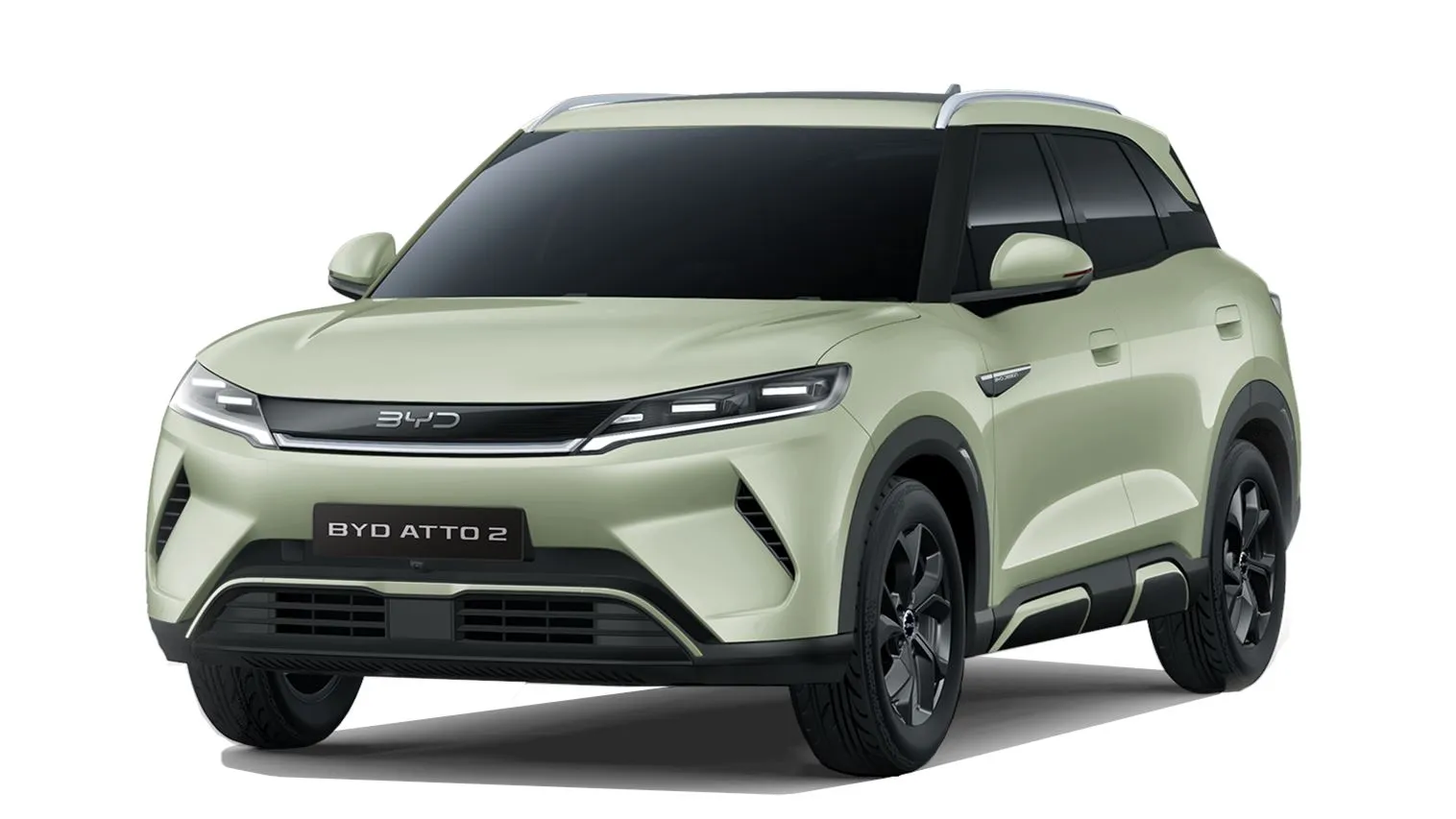
BYD Atto 2 DM-i: PHEV Specs, Price & Range Europe
BYD Atto 2 DM-i for Europe: price, specs, 40–90 km EV range. Electric-first plug-in hybrid SUV from €24,990. BYD Europe guide.
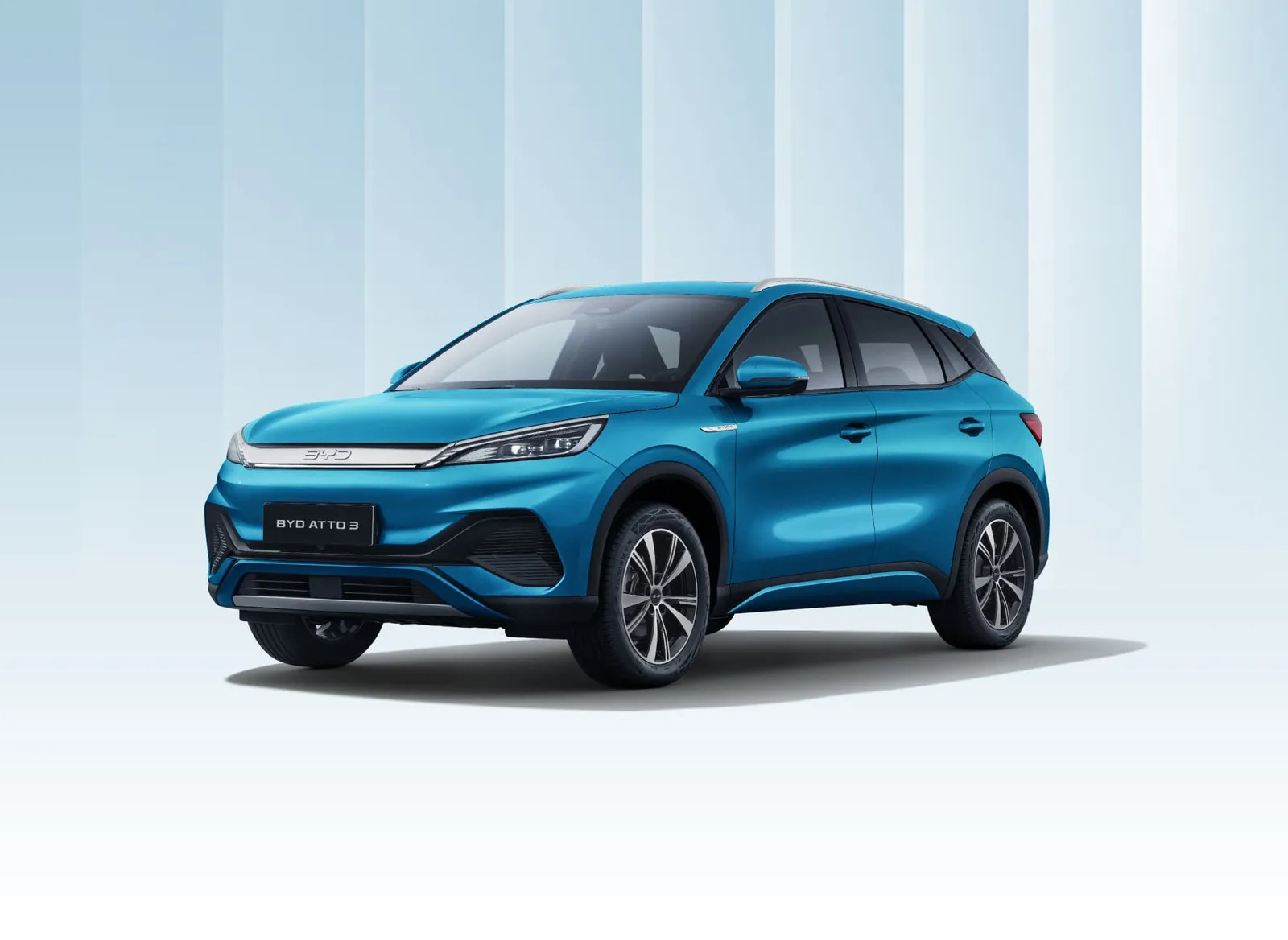
BYD Atto 3 Complete Guide: Review, Price, Specs Europe 2026
BYD Atto 3 review: price, specs, range in Europe. BYD Europe compact electric SUV—is it worth it? Expert guide.