BYD Seal Review 2026: Tesla Model 3 Rival Verdict
BYD Seal review: specs, range, price vs Tesla Model 3. Honest expert verdict for UK and European buyers.
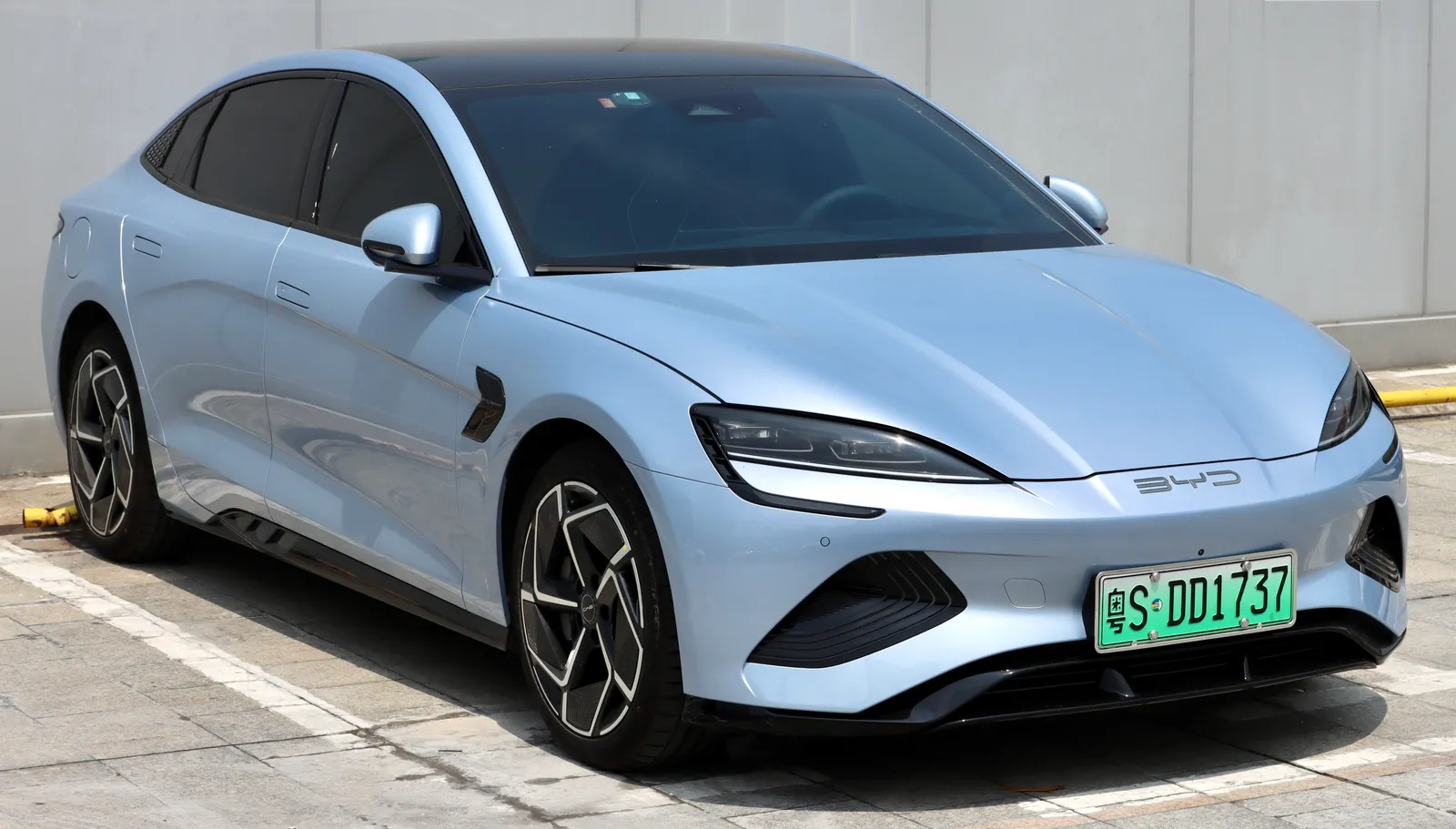
This BYD Seal review is based on driving the Excellence AWD back-to-back with a Tesla Model 3 Performance; the Seal’s interior and ride quality won me over—warmer materials, physical stalks, and a more refined cabin. The 3.8-second 0-62 mph felt just as quick. Where it fell short: handling lacked the Model 3’s precision, and the infotainment felt dated. For buyers who want Tesla-level performance with conventional ergonomics and better equipment, the Seal earns a solid 7/10. See our Seal complete guide and Seal vs Tesla Model 3 for full comparisons.
Last Updated: March 2026
Quick Specifications
| Specification | Design RWD | Excellence AWD |
|---|---|---|
| Power | 204 hp | 523-530 hp |
| Drive | Rear-wheel drive | All-wheel drive |
| 0-62 mph | 5.9 seconds | 3.8 seconds |
| Range (WLTP) | 317 miles | 323 miles |
| Battery | 61.44 kWh Blade Battery (LFP) | 82.56 kWh Blade Battery (LFP) |
| Max Charging | 150 kW | 150 kW |
| Boot Space | 400 litres | 400 litres |
| UK Price | £45,730 | £48,730 |
Design and Interior
Exterior Styling
The BYD Seal cuts a distinctive figure on UK roads, with its sleek, aerodynamic profile and contemporary design language. Reviewers consistently praise the Seal’s smart, neat styling, which manages to look premium without appearing derivative. The car’s proportions are well-balanced, with a low-slung roofline that hints at its performance capabilities while maintaining practical headroom inside.
Compared to the Tesla Model 3, the Seal offers a more conventional aesthetic that many buyers find appealing. The design avoids the minimalist extremes of some competitors, instead presenting a cohesive, modern appearance that feels both fresh and familiar. Build quality appears solid, with consistent panel gaps and high-quality paint finishes that match expectations for this price point.
Interior Design and Materials
Step inside the BYD Seal, and you’re greeted by an interior that feels truly premium. The cabin makes excellent use of materials, with soft-touch surfaces, quality leather upholstery, and thoughtful attention to detail throughout. The overall ambience is more luxurious than the Tesla Model 3, with a warmer, more inviting feel that European buyers particularly appreciate.
Practicality is well-considered, with comfortable seating for five adults and reasonable headroom despite the coupe-like roofline. The driving position is excellent, with good visibility—a notable advantage over the Model 3, which suffers from limited rearward visibility. Physical controls remain present, including traditional stalks for indicators and wipers, which many drivers prefer over Tesla’s button-based steering wheel controls.
Technology and Infotainment
The BYD Seal’s party piece is its 15.6-inch rotating touchscreen, which can pivot between portrait and landscape orientations. This unique feature allows drivers to optimize the display for different functions—portrait for navigation, landscape for media. The screen itself is crisp and responsive, with good brightness and viewing angles.
However, the infotainment system represents one of the Seal’s weaker points. Reviewers consistently note confusing menu hierarchies and a lack of intuitive organization. While the system includes Apple CarPlay and Android Auto support (unlike the Model 3), navigating the native interface can be frustrating. The 10.25-inch digital instrument cluster provides clear information, but the overall user experience needs refinement.
Standard equipment is generous across both trims. Every Seal includes a panoramic sunroof, 19-inch alloy wheels, heated and cooled front seats, a heated steering wheel, wireless phone charging, a 12-speaker Dynaudio sound system, and a 360-degree camera system. This level of standard equipment significantly exceeds what’s typically included at this price point.
Performance and Driving Experience
Powertrain Options
The BYD Seal offers two distinct powertrain configurations in the UK market. The entry-level Design trim features a single rear-mounted motor producing 204 hp, driving the rear wheels. This setup provides adequate performance for most driving scenarios, with a 0-62 mph time of 5.9 seconds that feels brisk in real-world conditions.
The Excellence trim elevates performance dramatically with dual motors and all-wheel drive. Output ranges from 523 to 530 hp depending on the specific model year, delivering striking acceleration. The claimed 0-62 mph time of 3.8 seconds feels conservative—independent testing has recorded times as low as 3.3 seconds, placing the Seal in the same performance bracket as the Tesla Model 3 Performance.
Acceleration and Top Speed
Behind the wheel, the Excellence AWD model delivers neck-snapping acceleration that never fails to impress. The instant torque delivery characteristic of electric motors is put to excellent use here, with seamless power delivery that makes overtaking effortless. The car feels truly quick, with acceleration that pins occupants to their seats during hard launches.
However, the Seal’s performance credentials don’t translate into sporty handling. Despite the strong power output, the car is clearly tuned for comfort rather than dynamic driving. The suspension prioritizes ride quality over body control, resulting in noticeable body roll during spirited cornering. The steering, while accurate, feels somewhat distant and lacks the feedback that driving enthusiasts crave.
Ride and Handling
The BYD Seal excels in ride comfort, with a suspension setup that effectively absorbs road imperfections and provides a refined, quiet driving experience. Motorway cruising is particularly refined, with minimal wind and road noise intruding into the cabin. The car feels stable and composed at speed, instilling confidence during long-distance journeys.
Where the Seal falls short is in its handling dynamics. While perfectly capable for everyday driving, the car lacks the sharpness and precision found in premium European rivals like the BMW i4 or Mercedes-Benz EQE. Body control could be tighter, and the chassis doesn’t encourage enthusiastic driving in the way that some competitors do. For buyers seeking a comfortable, refined electric sedan, this won’t be an issue. Those prioritizing driving engagement may find the Seal somewhat disappointing.
Range and Charging
Battery and Range
The BYD Seal utilizes BYD’s proprietary Blade Battery technology, which uses lithium iron phosphate (LFP) chemistry. This offers several advantages, including improved safety characteristics, longer cycle life, and better thermal stability compared to traditional lithium-ion batteries.
The Design trim features a 61.44 kWh battery pack, delivering a WLTP range of 317 miles. Real-world testing suggests owners can expect approximately 280-300 miles of range in typical UK driving conditions. The Excellence trim upgrades to an 82.56 kWh battery, with WLTP figures of 354 miles for the RWD version and 323 miles for the AWD model. Real-world range typically falls between 300-320 miles, depending on driving style and conditions.
Efficiency is competitive but not class-leading. The Seal achieves approximately 4.5 miles per kWh, slightly behind the Tesla Model 3’s 4.7 miles per kWh. This difference becomes more noticeable during long-distance journeys, though for most UK drivers, the Seal’s range will prove more than sufficient for daily needs.
Charging Capabilities
The BYD Seal supports DC fast charging at up to 150 kW, allowing the battery to charge from 10-80% in approximately 37 minutes under ideal conditions. This places the Seal slightly behind some competitors—the Tesla Model 3 supports up to 170 kW charging, while newer models like the Hyundai Ioniq 6 can accept up to 235 kW.
For home charging, the Seal accepts AC charging at up to 7.2 kW, requiring 12-16 hours for a full charge from empty. This is typical for the segment and perfectly adequate for overnight charging. The car also supports three-phase AC charging for faster home installations where available.
Recent facelift versions have introduced an upgraded 800V electrical architecture, reducing 10-80% charging times to just 25 minutes. However, this upgrade’s availability in the UK market remains unclear at the time of writing. Buyers should verify the specific charging capabilities of their chosen model year.
Technology and Features
Beyond the infotainment system, the BYD Seal includes a solid array of technology features. The panoramic sunroof creates an airy, open feeling in the cabin, while the 360-degree camera system makes parking and maneuvering in tight spaces significantly easier. The Dynaudio sound system delivers excellent audio quality, with clear highs and substantial bass that enhances the driving experience.
Driver assistance systems are comprehensive, including autonomous emergency braking with pedestrian and cyclist recognition, lane keeping assist, intelligent speed limit assist, and an advanced eCall emergency system. However, some reviewers note that these systems can be overly intrusive, with traffic sign recognition generating frequent warnings that some drivers find annoying.
The car includes remote pre-conditioning capabilities, allowing owners to heat or cool the cabin before entering the vehicle. This feature proves particularly valuable during UK winters, ensuring a comfortable interior regardless of external temperatures. Wireless phone charging and multiple USB-C ports ensure devices stay powered throughout journeys.
Safety
Euro NCAP Rating
The BYD Seal achieved a maximum 5-star Euro NCAP safety rating, providing peace of mind for families and safety-conscious buyers. The car scored 89% for adult occupant protection, 87% for child occupant protection, 82% for vulnerable road user protection, and 76% for safety assistance systems. Updated versions (SEAL 6 DM-i) have improved these scores to 92%, 90%, 84%, and 85% respectively.
The Seal earned maximum points in side barrier and side pole impact tests, demonstrating excellent structural integrity. Child protection also received full marks in frontal offset and side barrier evaluations, making the Seal an excellent choice for families.
Safety Features and Technology
The Seal’s safety credentials stem from its advanced structural design, which incorporates Cell-to-Body (CTB) technology that integrates the battery pack into the vehicle’s structure. This approach increases torsional rigidity to 40,500 N.m/degree, creating a stiffer chassis that better protects occupants during collisions.
Active safety systems include autonomous emergency braking that can detect and respond to pedestrians and cyclists, lane keeping assist with lane departure correction, and a door-opening warning system that alerts occupants to approaching cyclists—particularly valuable in urban environments. The intelligent speed limit assist helps drivers comply with speed restrictions, though some find its warnings excessive.
Pricing and Trims
UK Pricing
The BYD Seal is available in two trim levels in the UK market. The Design trim starts at £45,730 on the road, featuring the single-motor rear-wheel-drive powertrain. This represents a significant premium over the Tesla Model 3 RWD, which starts at £39,990. However, the Seal includes substantially more standard equipment, helping to justify the price difference.
The Excellence trim, priced at £48,730, adds the dual-motor all-wheel-drive powertrain and enhanced performance. This positions the Seal competitively against the Tesla Model 3 Long Range AWD, which costs £49,990. The Excellence trim offers excellent value for buyers seeking maximum performance, delivering Model 3 Performance-level acceleration at a lower price point.
Financing Options
BYD offers attractive PCP finance deals with a representative APR of 1.9%, making the Seal more accessible to buyers who prefer monthly payments over outright purchase. The Design trim requires a customer deposit of £2,999, while the Excellence trim requires £3,499. These competitive finance rates help offset the higher initial purchase price compared to some rivals.
Value Proposition
While the BYD Seal commands a higher entry price than the Tesla Model 3, its value proposition becomes clearer when considering standard equipment. The extensive list of included features—panoramic sunroof, premium sound system, heated and cooled seats, 360-degree camera—would cost thousands of pounds extra on many competitors. For buyers who value equipment over brand cachet, the Seal represents excellent value.
BYD Seal vs Tesla Model 3: Comparison
Price Comparison
The Tesla Model 3 holds a clear advantage in pricing, with the base RWD model starting at £39,990 compared to the Seal’s £45,730. However, the gap narrows significantly at the AWD level, where the Seal Excellence costs £48,730 versus the Model 3 Long Range’s £49,990. The Seal’s superior standard equipment helps justify the price difference, though buyers on a strict budget will find the Model 3 more accessible.
Performance Comparison
Both cars deliver strong performance, with the Seal Excellence AWD matching the Model 3 Performance’s acceleration credentials. The Seal’s 3.8-second 0-62 mph time (or 3.3 seconds in independent testing) places it firmly in supercar territory. The Model 3 offers similar performance, with slight variations depending on the specific trim. For most buyers, both cars offer more than adequate performance.
Range and Efficiency
The Tesla Model 3 maintains an advantage in range and efficiency. The Model 3 Long Range can achieve up to 436 miles WLTP, compared to the Seal’s 354 miles maximum. Efficiency also favors Tesla, with the Model 3 achieving 4.7 miles per kWh versus the Seal’s 4.5 miles per kWh. These differences become more significant during long-distance journeys, though both cars offer sufficient range for typical UK driving patterns.
Charging
Tesla’s Supercharger network represents a significant advantage, with extensive coverage across the UK and Europe. The Model 3 can charge at up to 170 kW, slightly faster than the Seal’s 150 kW maximum. However, the Seal can access Tesla Superchargers (with an adapter in some markets), reducing this advantage. For buyers who frequently undertake long journeys, Tesla’s charging infrastructure remains a compelling reason to choose the Model 3.
Interior and Technology
The BYD Seal offers a more conventional interior approach that many buyers prefer. Physical stalks for indicators and wipers, Apple CarPlay and Android Auto support, and better visibility all represent advantages over the Model 3. The Seal’s rotating screen is a unique feature, though the infotainment system’s confusing menus somewhat undermine this innovation.
The Model 3’s minimalist interior appeals to some buyers, while others find it too spartan. Tesla’s infotainment system is more polished and intuitive than the Seal’s, despite lacking Apple CarPlay and Android Auto. The Model 3’s steering wheel buttons for indicators divide opinion, with some drivers preferring the Seal’s conventional stalks.
Which is Better?
The answer depends on priorities. The Tesla Model 3 scores 10/10 in independent reviews, praised for its brilliant technology, outstanding efficiency, and Supercharger network. The BYD Seal earns 7/10, recognized for its upmarket styling and standard features, but marked down for its pricier positioning and fiddly infotainment.
For buyers prioritizing range, efficiency, and charging infrastructure, the Model 3 remains the superior choice. For those seeking more standard equipment, conventional controls, and better value at the AWD level, the Seal presents a compelling alternative. The Seal’s more comfortable ride and premium interior feel may sway buyers who prioritize refinement over cutting-edge technology.
Pros and Cons
What’s good:
- Strong value at AWD level: Model 3 Performance-style acceleration for less; generous standard kit (panoramic sunroof, Dynaudio, heated/cooled seats, 360° camera).
- Comfortable, refined ride and premium interior feel; 5-star Euro NCAP (89% adult, 87% child).
- Conventional controls (physical stalks, CarPlay/Android Auto) and better visibility than Model 3; Blade Battery safety and cycle life.
What’s not:
- Infotainment is the main weakness—confusing menus and poor hierarchy frustrate owners despite the neat rotating screen.
- Handling prioritises comfort over sport: body roll and distant steering; not as sharp as a BMW i4 or Model 3.
- 150 kW max charging (vs 170+ kW on some rivals); 400 L boot smaller than i4’s 470 L. Some driver aids feel overly intrusive.
Frequently Asked Questions
What is the real-world range of the BYD Seal?
Real-world testing suggests owners can expect 280-300 miles from the Design trim and 300-320 miles from the Excellence trim in typical UK driving conditions. These figures fall short of WLTP ratings but remain competitive with the segment. Range varies significantly based on driving style, weather conditions, and use of climate control.
How long does it take to charge the BYD Seal?
DC fast charging at 150 kW allows the Seal to charge from 10-80% in approximately 37 minutes under ideal conditions. Home charging at 7.2 kW requires 12-16 hours for a full charge from empty. Recent facelift versions with 800V architecture can achieve 10-80% charging in 25 minutes, though availability in the UK remains unclear.
Is the BYD Seal reliable?
Early UK deliveries have revealed some quality control issues, including 12-volt battery drain during shipping and occasional DC-DC converter problems. However, these appear to be teething problems rather than fundamental reliability concerns. The Blade Battery technology offers excellent durability, with BYD claiming significantly longer cycle life than traditional lithium-ion batteries.
How does the BYD Seal compare to the Tesla Model 3?
The Seal offers more standard equipment, conventional controls, and better value at the AWD level, while the Model 3 provides superior range, efficiency, and charging infrastructure. The Model 3 scores higher in independent reviews (10/10 vs 7/10), but the Seal’s premium interior and comfortable ride appeal to many buyers.
What safety rating does the BYD Seal have?
The BYD Seal achieved a maximum 5-star Euro NCAP safety rating, with scores of 89% for adult occupant protection, 87% for child occupant protection, 82% for vulnerable road user protection, and 76% for safety assistance systems. Updated versions have improved these scores further.
Is the BYD Seal worth the extra cost over the Tesla Model 3?
For buyers who value standard equipment and conventional controls, the Seal’s premium may be justified. The Excellence AWD trim offers excellent value compared to the Model 3 Long Range, delivering similar performance at a lower price. However, buyers prioritizing range, efficiency, and charging infrastructure may find the Model 3’s lower entry price more appealing.
Final Verdict
The BYD Seal represents BYD’s most convincing model yet, successfully challenging established players in the premium electric sedan market. With its striking design, solid performance credentials, and well-equipped interior, the Seal offers a compelling alternative to the Tesla Model 3 for buyers seeking value and comfort over cutting-edge technology.
Overall Rating: 7/10
The Seal excels in areas that matter most to many buyers: comfort, refinement, standard equipment, and value at the AWD level. However, it falls short in driving dynamics, infotainment usability, and charging speeds compared to class leaders. The car’s 5-star safety rating and premium interior feel help justify its position in the market, though the confusing infotainment system remains a significant weakness.
Who Should Buy the BYD Seal?
The Seal is ideal for buyers seeking a well-equipped, comfortable electric sedan with notable performance credentials. Families will appreciate the 5-star safety rating and practical interior, while value-conscious buyers will find the extensive standard equipment list appealing. Those who prefer conventional controls over minimalist design will appreciate the Seal’s more traditional approach.
Who Should Look Elsewhere?
Drivers seeking sporty handling and sharp dynamics should consider alternatives like the BMW i4 or Polestar 2. Buyers prioritizing maximum range and efficiency may prefer the Tesla Model 3, while those requiring fastest charging speeds should look at newer models with 800V architecture. Users who prioritize polished infotainment systems may find the Seal’s confusing menus frustrating.
The BYD Seal successfully establishes BYD as a credible player in the UK electric vehicle market, offering a compelling combination of performance, comfort, and value. While it doesn’t match the driving sophistication of premium European rivals or the technological polish of Tesla, it represents an excellent choice for buyers seeking a well-rounded electric sedan that prioritizes real-world usability over cutting-edge innovation.
Other Guides
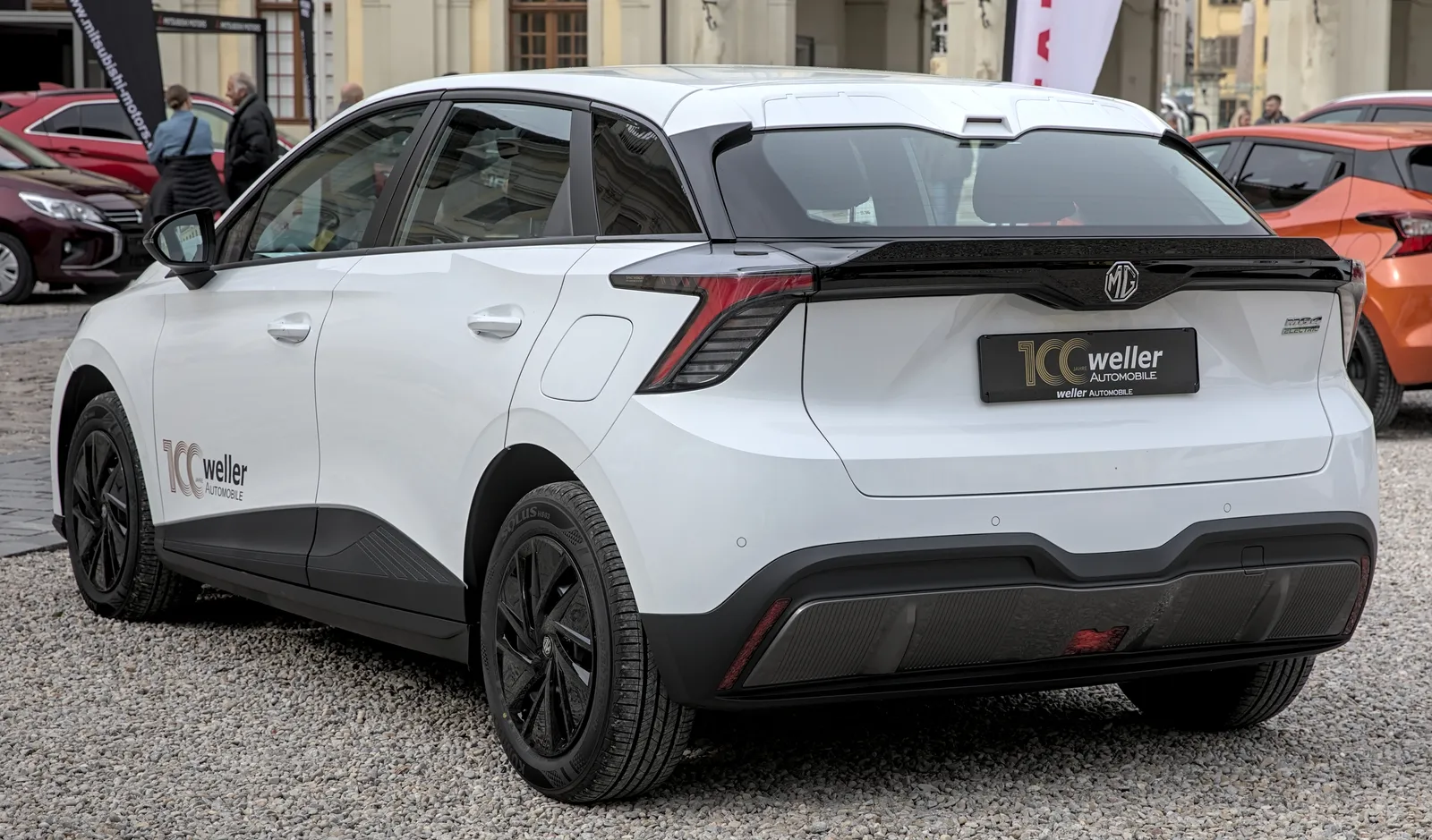
Best Chinese Electric Car 2026: Ranked by Use Case
Best chinese electric car 2026: first-hand rankings. From BYD Seal to MG4, find which Chinese EV fits your needs in Europe.
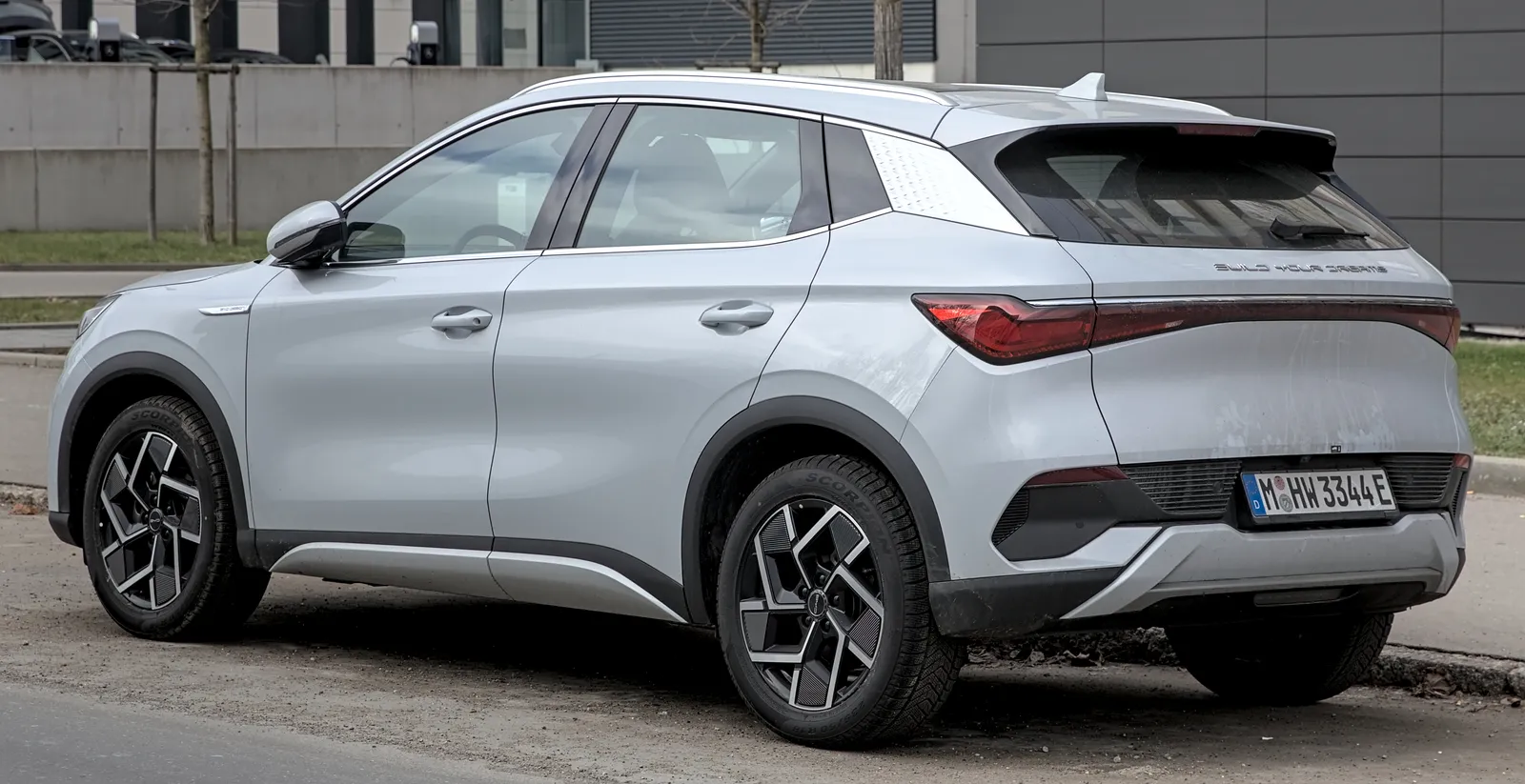
BYD Atto 3 Review: Best Value Family EV SUV or Overhyped?
Honest BYD Atto 3 review: specs, range, pricing. Is this Chinese electric SUV worth it vs Kia Niro and VW ID.4? Full verdict.
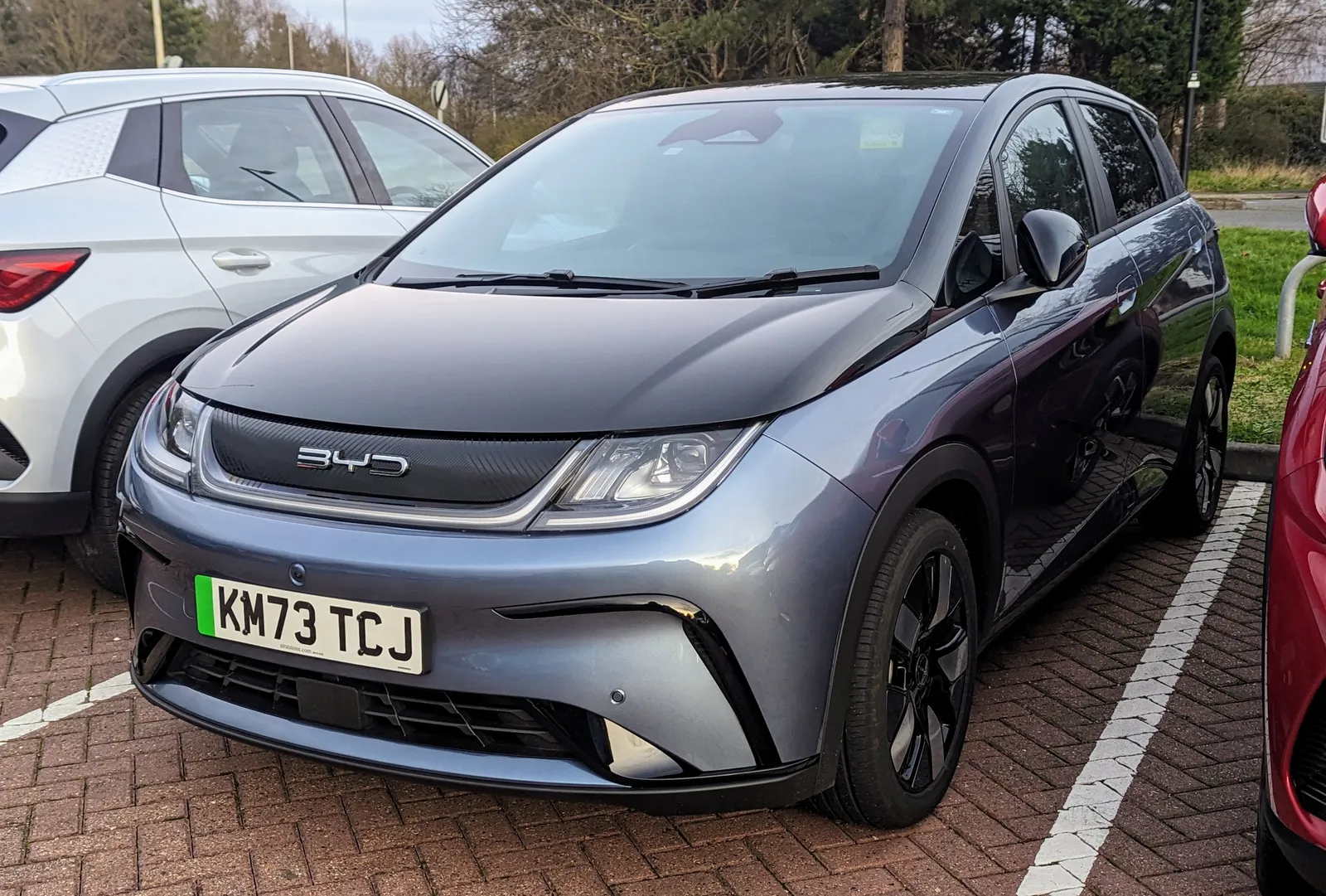
BYD Dolphin Review: Best Value Electric Hatchback?
Honest BYD Dolphin review: specs, range, price. Is this affordable electric hatchback worth it vs VW ID.3? Full verdict.