News

Chinese EV Sales in Europe 2026: Market Report

Complete Chinese EV sales data for Europe: market share, brand rankings, growth trends, and future projections.

By Editorial Team Updated January 28, 2026
Chinese EV Sales in Europe 2026: Market Report
Image: Wikimedia Commons (CC License)

Chinese EV Sales in Europe 2026: Market Report

The European electric vehicle market has undergone a dramatic transformation, with Chinese EV sales in Europe surging from near-zero market presence to capturing over 7% of the passenger car market by September 2025. This comprehensive market report analyzes Chinese EV market share in Europe, examining sales performance by brand, country breakdowns, competitive positioning, and future projections.

Executive Summary: Chinese EV Market Penetration in Europe

Chinese electric vehicle brands have achieved unprecedented growth in Europe, with market share climbing from 2.4% in January 2024 to a record 7.4% by September 2025—a more than threefold increase in less than two years. This surge has positioned Chinese brands collectively as comparable to established European manufacturers, with their combined sales volume ranking them as the 12th largest manufacturer if counted as a single entity.

In the first half of 2025 alone, Chinese EV registrations in Europe surged by 91% year-over-year, far outpacing the overall European BEV market growth of 25%. By August 2025, Chinese brands achieved a 121% year-over-year increase, selling 43,500 units in a single month—enough to exceed established brands like Audi and Renault. This performance demonstrates that despite facing EU tariffs of up to 45.3%, Chinese manufacturers have maintained competitive momentum through strategic pricing, expanding model lineups, and sophisticated market positioning.

The market penetration has been particularly strong in the pure electric vehicle segment, where Chinese brands captured approximately 25% of the BEV market in 2024. By February 2025, Chinese brands achieved a historic milestone: for the first time, they outsold Tesla in Europe’s BEV market, delivering 19,800 units compared to Tesla’s 15,700 units.

Market Share Growth: From 2.4% to 7.4%

The evolution of Chinese EV market share in Europe represents one of the fastest market penetration stories in modern automotive history. Starting from nearly zero market presence in 2019, Chinese brands began making meaningful inroads in 2024, reaching 2.4% market share by January of that year.

Historical Growth Trajectory

The growth pattern shows consistent acceleration:

  • January 2024: 2.4% market share
  • January 2025: 3.7% market share (54% increase year-over-year)
  • H1 2025: 5.1% market share (nearly doubled from January 2024)
  • August 2025: 5.5% market share
  • September 2025: 7.4% market share (record high)

This progression demonstrates that Chinese brands rapidly scaled their presence, nearly tripling their market share in less than two years. By H1 2025, Chinese brands achieved 5.1% market share, placing them remarkably close to Mercedes-Benz’s 5.2% share.

Growth Drivers

Several factors have driven this rapid expansion: significant price advantages (€32,000 average vs €50,000+ for European competitors), expanding model lineups across segments, improving product quality, and strategic market entry timing. Chinese brands entered Europe when European manufacturers were still ramping up EV production, creating opportunities where supply couldn’t meet demand. The EU’s emissions targets and EV adoption incentives created favorable conditions for all electric vehicle manufacturers.

Sales Performance by Brand: BYD, MG, and Emerging Players

The Chinese EV presence in Europe is led by a diverse group of manufacturers, each pursuing different strategies and achieving varying levels of success.

BYD’s Explosive Growth: 311% Increase

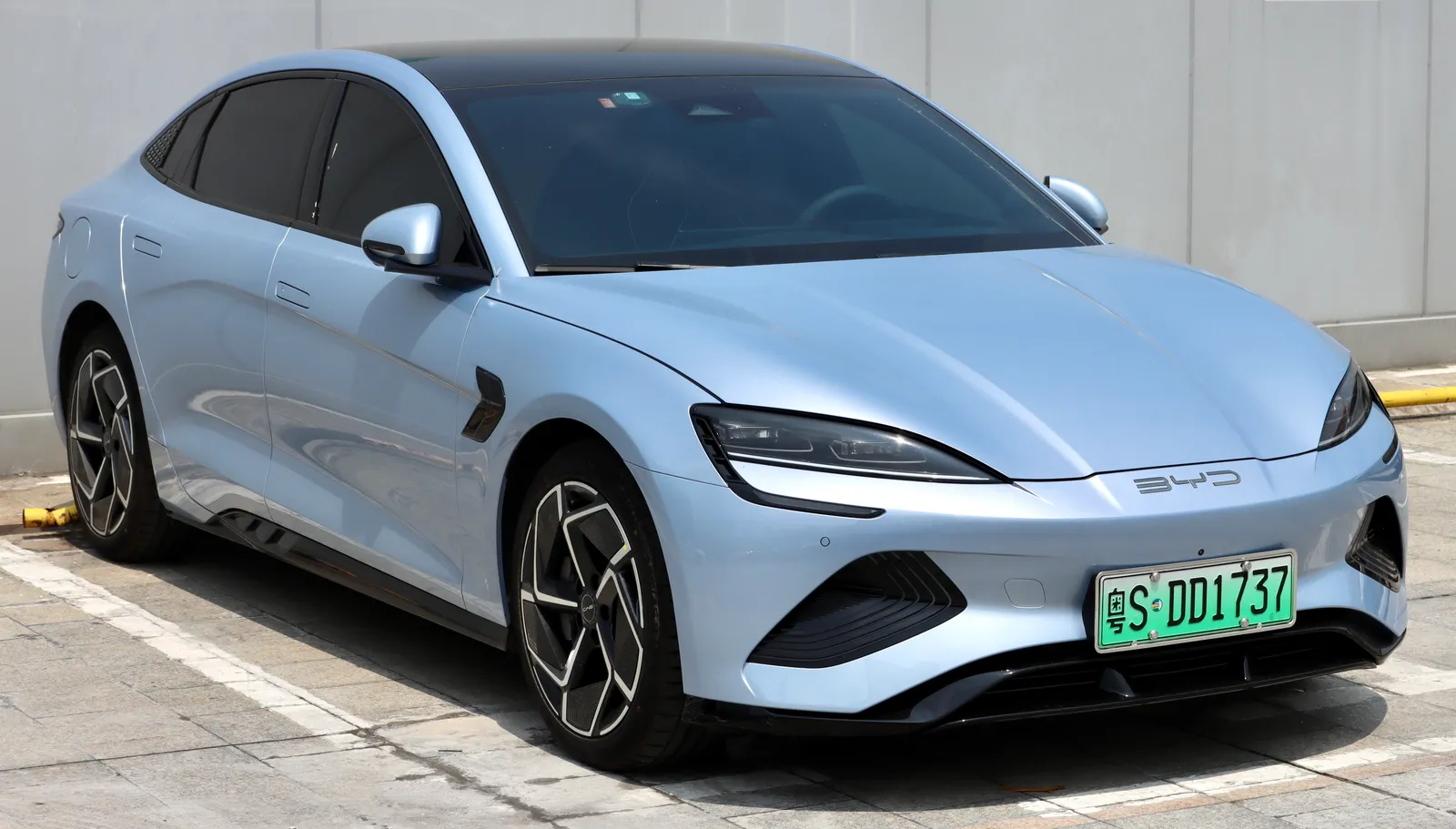
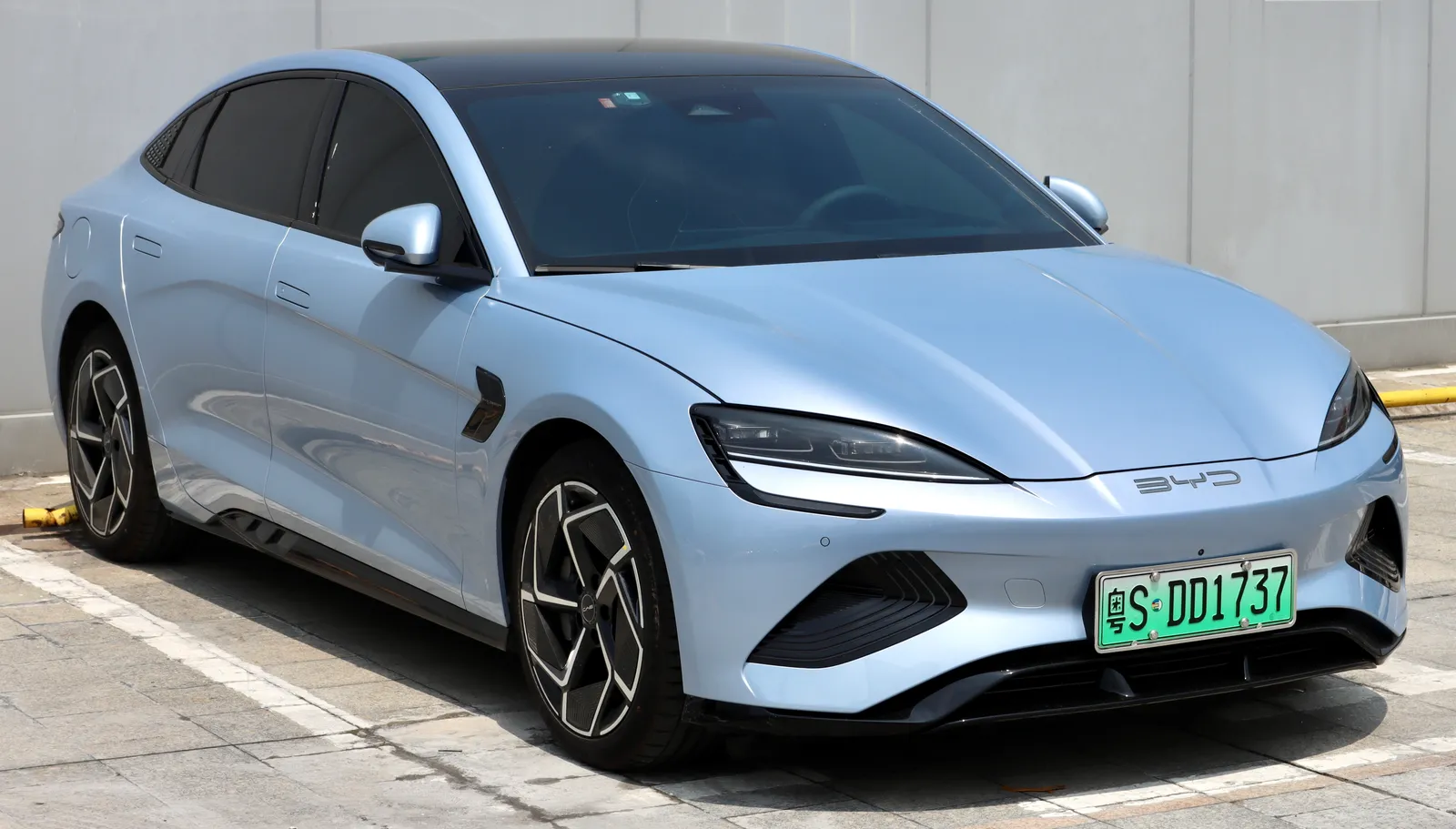
BYD has emerged as the standout success story among Chinese EV manufacturers in Europe. The company achieved a staggering 311% year-over-year growth in the first half of 2025, selling 70,500 units—positioning BYD as the fastest-growing major brand in the European EV market. This growth continued through August 2025, when BYD achieved 201.3% year-over-year growth and captured 1.3% market share.

BYD surpassed Tesla for the second consecutive month in August 2025, demonstrating that despite Tesla’s established brand presence, BYD’s combination of competitive pricing, expanding model range, and improving brand recognition is resonating with European consumers.

Key models include the BYD Dolphin Surf and BYD Seal U plug-in hybrid. In Germany, BYD registered 185 units in February 2025, representing 97% year-over-year growth. BYD’s strategic advantages include its 17.0% tariff rate (moderate compared to SAIC’s 35.3%), vertical integration in battery technology, and a 740-acre manufacturing facility in Szeged, Hungary, scheduled to begin production in October 2025, which will eliminate tariff concerns entirely.

MG’s Market Leadership Despite Tariff Challenges

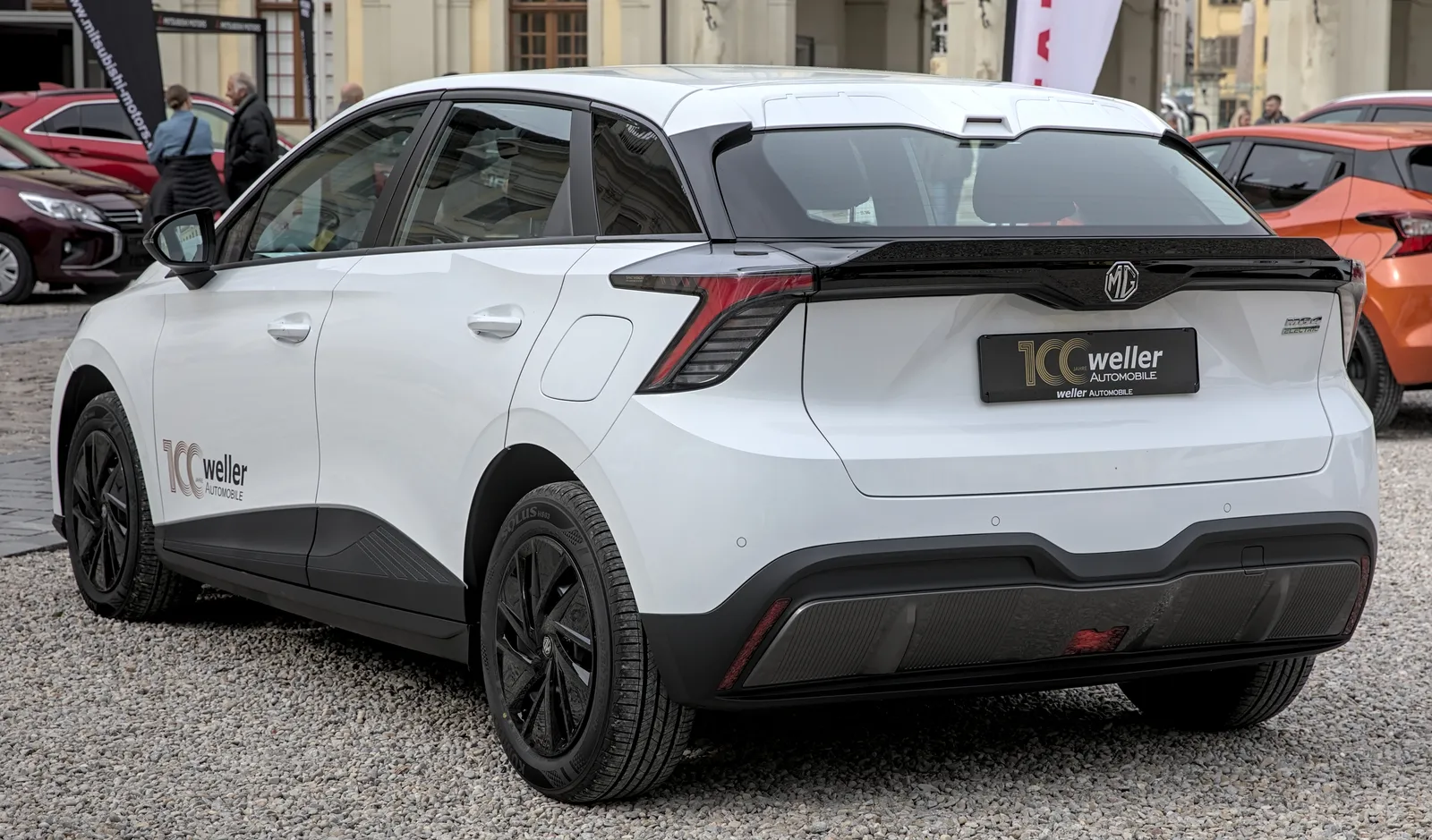
MG Motors, owned by SAIC, has maintained its position as the volume leader among Chinese brands in Europe despite facing the highest tariff rate at 45.3% (35.3% countervailing duty plus 10% standard import duty). The brand achieved 1.9% market share through August 2025, ranking as the 10th best-selling brand in the EU.

In Germany, MG registered 1,753 units in February 2025 (down 12% year-over-year), with total German sales reaching 20,977 units in 2024. MG’s ability to maintain volume leadership despite the highest tariff burden reflects its brand recognition, established dealer networks, and competitive product positioning.

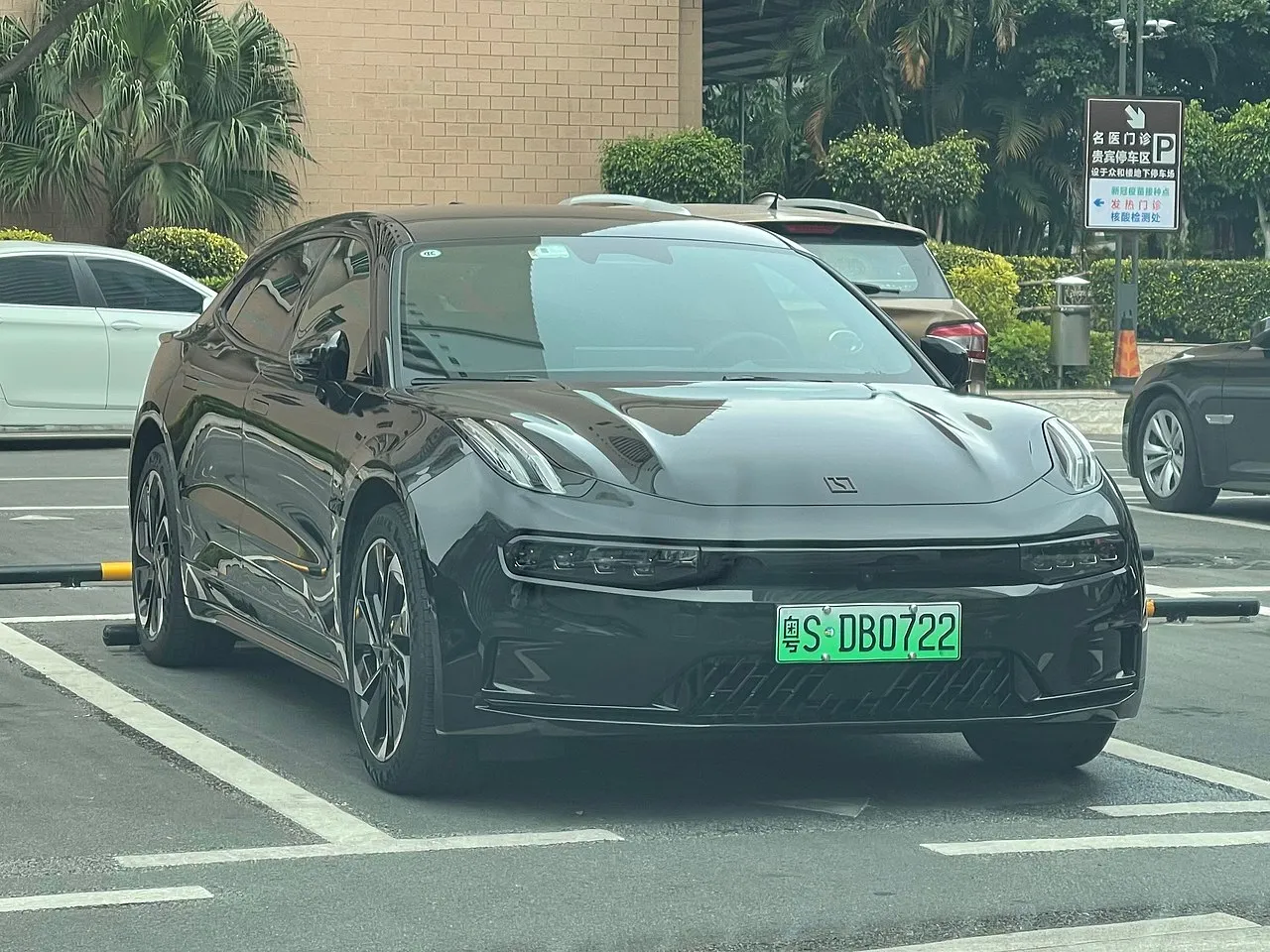
Emerging Brands: Xpeng, NIO, Leapmotor, Jaecoo, Omoda

Beyond BYD and MG, several emerging Chinese brands are establishing footholds in the European market.

Xpeng has shown strong growth momentum despite late market entry in mid-2024, registering 162 units in Germany in February 2025 (72% month-over-month growth) and reaching approximately 10,000 units in Europe during 2024. NIO has taken a premium approach but remains limited, with just 25 units in Germany in February 2025. Leapmotor, Jaecoo, and Omoda (Chery group) represent the next wave, accounting for 84% of Chinese brand registrations in certain periods. Chery’s strategy includes European operations with local manufacturing plans to mitigate tariff impacts.

Country-by-Country Breakdown: Where Chinese EVs Are Selling

The European market for Chinese EVs varies significantly across different countries, revealing important insights about market preferences and growth opportunities.

Germany: Largest Market for Chinese EVs

Germany stands as the largest and most important market for Chinese electric vehicles in Europe. The country’s February 2025 registrations showed 19% year-over-year growth for Chinese brands. The brand breakdown illustrates the competitive landscape:

  • MG: 1,753 units (February 2025), down 12% year-over-year
  • BYD: 185 units (February 2025), up 97% year-over-year
  • Xpeng: 162 units (February 2025), up 72% month-over-month
  • NIO: 25 units (February 2025), down 7% year-over-year

Germany’s importance stems from its status as Europe’s largest automotive market, strong EV adoption rates driven by government incentives, and consumers’ openness to new brands offering compelling value propositions.

France, UK, Norway, Belgium, and Italy

France and the United Kingdom represent top-three markets for Chinese EVs, showing strong growth potential driven by government EV incentives and expanding charging infrastructure. Norway serves as a premium EV market with over 80% EV adoption, making it attractive for premium positioning. Belgium and Italy round out the top-six markets, showing growing presence at smaller volumes with significant growth potential.

Year-over-Year Growth Analysis

The growth trajectory of Chinese EVs in Europe has been consistently strong across multiple time periods, demonstrating sustained market expansion.

Monthly Growth Patterns

Year-over-year growth rates have been impressive:

  • January 2025: 52% year-over-year growth (37,134 units)
  • February 2025 (BEV segment): 25-26% year-over-year growth
  • H1 2025 registrations: 91% surge year-over-year
  • August 2025: 121% year-over-year growth (43,500 units)

These growth rates significantly outpace the overall European BEV market (25% growth in H1 2025), indicating Chinese brands are actively gaining market share at competitors’ expense. The European BEV market reached 1.19 million units in H1 2025, capturing 17.4% of the overall passenger car market. Chinese brands’ 91% growth within this expanding market demonstrates exceptional performance against established European manufacturers.

Competitive Position: Chinese EVs vs Tesla and European Brands

The competitive dynamics in the European EV market have shifted dramatically, with Chinese brands challenging both Tesla’s dominance and established European manufacturers’ market positions.

Tesla’s Market Share Decline

Chinese brands achieved a historic milestone in February 2025 by outselling Tesla in the BEV segment for the first time (19,800 units vs Tesla’s 15,700 units). Tesla’s market share declined from 2.4% in 2024 to 1.6% in H1 2025, with 44% year-over-year decline in February 2025 due to Model Y changeover issues. BYD surpassed Tesla for the second consecutive month in August 2025, demonstrating Chinese brands’ competitive positioning extends beyond price to product quality and market responsiveness.

Comparison with European Premium Brands

Chinese brands have made significant inroads against established European manufacturers, achieving 5.1% market share by H1 2025—approaching Mercedes-Benz’s 5.2% share. In August 2025, Chinese brands’ 43,500 units exceeded sales from Audi and Renault. Collectively, Chinese brands would rank as the 12th largest manufacturer by volume, while MG alone ranked as the 10th best-selling brand in the EU.

Price Competitiveness: €32,000 vs €50,000+

A key competitive advantage for Chinese brands has been their price positioning. Chinese EVs average around €32,000, compared to €50,000+ for European competitors—a significant price gap that remains substantial even after tariff implementation. This price advantage has been crucial in attracting price-sensitive consumers and expanding the addressable market for electric vehicles.

The price competitiveness reflects Chinese manufacturers’ cost advantages in battery production, supply chain efficiency, and manufacturing scale. Even with tariffs of up to 45.3%, Chinese brands have maintained competitive pricing by absorbing some costs and optimizing their operations.

Impact of EU Tariffs on Chinese EV Sales

The European Union’s imposition of countervailing duties on Chinese EVs, ranging from 7.8% to 35.3% (plus the standard 10% import duty, bringing total duties to 17.8% to 45.3%), represents a significant policy development that has shaped market dynamics.

Tariff Framework and Price Undertakings

The EU issued formal guidance in January 2026 on conditions for replacing tariffs with minimum price commitments. This framework allows manufacturers to avoid tariffs by committing to sell above agreed minimum prices, with requirements including model-specific price commitments that eliminate subsidy effects.

The tariff rates vary significantly by manufacturer:

  • Tesla Shanghai: 7.8% (17.8% total duty)
  • BYD: 17.0% (27.0% total duty)
  • Geely: 18.8% (28.8% total duty)
  • SAIC (MG): 35.3% (45.3% total duty)

Despite these tariffs, Chinese EV sales have continued growing, demonstrating that manufacturers have been able to maintain competitiveness through strategic pricing, cost absorption, and operational efficiency. The differential tariff rates have created competitive advantages for lower-tariff manufacturers like BYD compared to higher-tariff manufacturers like SAIC.

Market Response to Tariffs

Manufacturers have absorbed part of the tariff costs rather than passing full amounts to consumers, reflecting competitive pressure to maintain market share. The continued growth despite tariffs demonstrates Chinese manufacturers’ commitment to the European market and their ability to adapt to policy changes. The shift toward local production—exemplified by BYD’s Hungary facility, Chery’s European factory plans, and Changan’s European operations—represents a strategic response that will eventually eliminate tariff impacts entirely.

Future Outlook and Projections (2026-2027)

Looking ahead, the Chinese EV presence in Europe is expected to continue evolving, shaped by multiple factors including policy developments, manufacturing investments, and market dynamics.

2026 Market Projections

The global EV market share is projected to reach 26.7% in 2026, up from 24% in 2025, indicating continued overall market expansion. However, European light vehicle sales are forecast to grow only 1.9% in 2026, constrained by weak GDP growth (1% projected), trade uncertainties, and reduced government purchase incentives.

For Chinese EV exports specifically, 2025 was projected to see zero growth due to EU tariffs and reduced shipments to Russia. This suggests that while Chinese brands’ European market share may continue growing, the absolute volume growth may moderate compared to the explosive expansion seen in 2024-2025.

Strategic Outlook: Opportunities and Risks

The strategic outlook includes both opportunities and risks. Opportunities include Chinese investment in Europe’s EV and battery supply chains, reducing tariff impacts and improving market positioning. BYD’s Hungary facility, Chery’s factory plans, and other manufacturing investments demonstrate long-term commitment.

Risks include market constraints from economic weakness and policy uncertainty. The EU’s tariff framework and potential minimum price agreements will continue shaping competitive dynamics, while European manufacturers ramping up EV production will increase competition.

Key growth drivers remain cost competitiveness and expanding model availability. As local production comes online, tariff impacts will diminish, potentially improving price competitiveness further.

Several key trends are shaping the Chinese EV market in Europe and will continue to influence its development.

Chinese manufacturers are investing heavily in European supply chains. BYD’s 740-acre facility in Szeged, Hungary (production starting October 2025) will produce almost all European EV models locally, eliminating tariff concerns. Chery’s European operations, Changan’s factory plans, and other manufacturing investments demonstrate that Chinese manufacturers view Europe as a long-term strategic market, reshaping competitive dynamics and reducing import dependence.

Plug-in Hybrid Strategy and Policy Evolution

Chinese manufacturers are leveraging plug-in hybrid vehicles as a bridge strategy, with models like the BYD Seal U offering flexibility during the transition to full electric mobility. The EU’s January 2026 guidance on minimum price commitments represents a potential shift from punitive tariffs toward negotiated solutions, which could stabilize the policy environment while maintaining similar consumer price levels.

Conclusion

The Chinese EV market in Europe has undergone a remarkable transformation, growing from near-zero presence to capturing over 7% market share in less than two years. This growth has been driven by competitive pricing, expanding model availability, improving product quality, and strategic market positioning. Despite facing EU tariffs of up to 45.3%, Chinese manufacturers have maintained momentum through cost absorption, operational efficiency, and investments in local production.

The competitive landscape has shifted significantly, with Chinese brands outselling Tesla in the BEV segment and approaching the market share of established European manufacturers like Mercedes-Benz. The future outlook includes continued growth opportunities through local manufacturing investments, expanding model lineups, and potential policy developments that could stabilize the competitive environment.

As the European EV market continues evolving, Chinese manufacturers’ combination of cost competitiveness, technological innovation, and strategic market commitment positions them as major players in Europe’s transition to electric mobility. The market dynamics established in 2024-2025 will continue shaping the industry through 2026 and beyond, making understanding of Chinese EV sales and market share essential for anyone following the European automotive market.


This market report is based on data from JATO Dynamics, Reuters, AutoNews, The Guardian, Bruegel, ICCT European Market Monitor, and EV Volumes. Sales figures and market share data are current as of September 2025, with projections based on available industry forecasts. Market conditions and policy developments may continue evolving.