Chinese EV vs Tesla: Value, Tech and Reliability 2026
Chinese EV vs Tesla: value, technology, charging and reliability. BYD vs Tesla and which brand wins for European buyers.
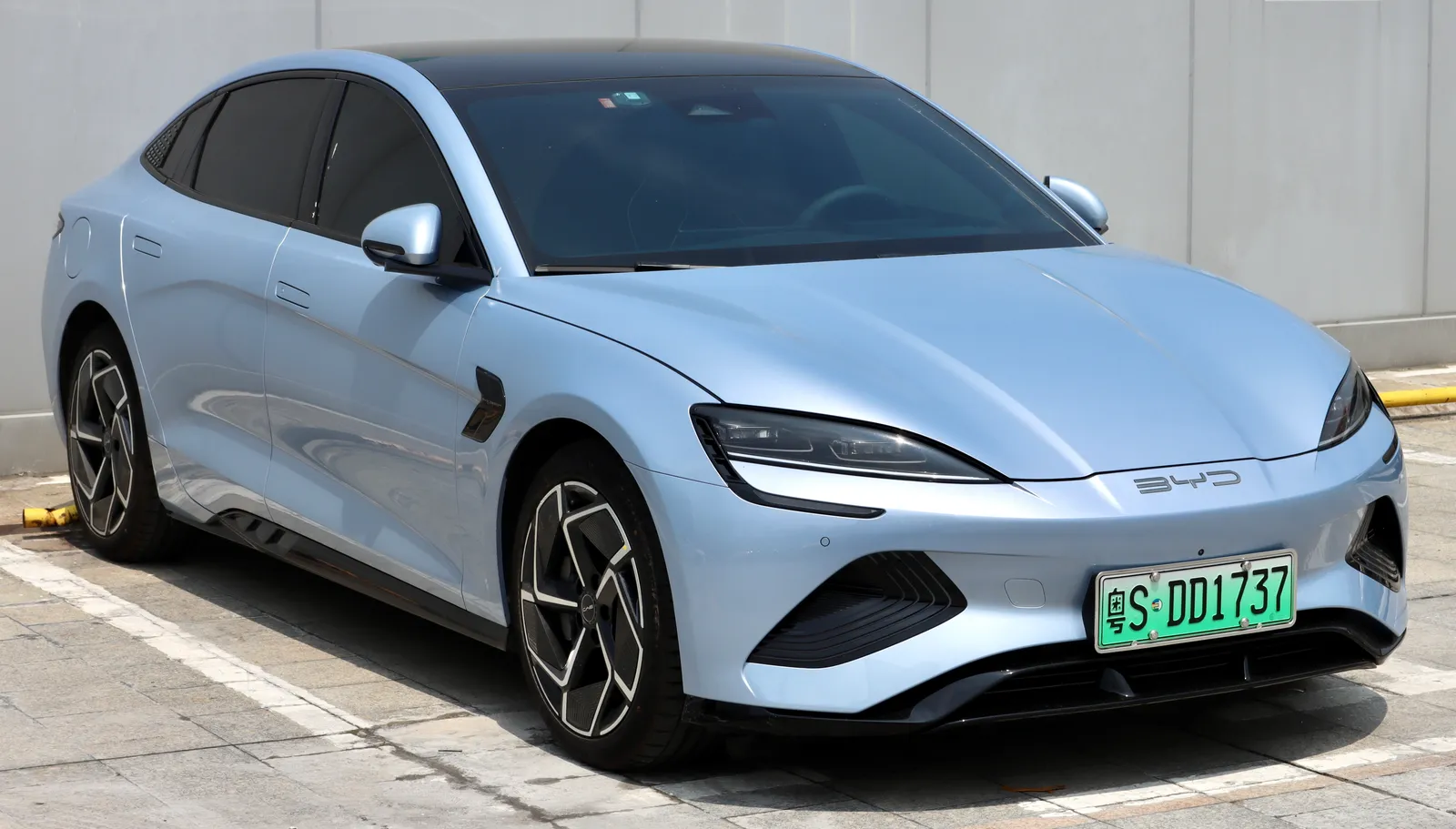
When BYD outsold Tesla globally in 2025—2.26 million BEVs to 1.64 million—the Chinese EV vs Tesla question stopped being hypothetical. For European buyers in 2026, the trade-off is clear: Chinese brands undercut Tesla by 30–50% on price and pack more standard kit, while Tesla still leads on charging networks, software polish, and resale. I’d pick a Chinese EV for daily use and home charging; I’d pick Tesla for frequent long trips. Our BYD vs Tesla comparison goes deeper; the cheapest Chinese EVs and how to buy Chinese EV guides cover the buying side.
Chinese EV vs Tesla: Overview
Tesla Strengths
Tesla’s strongest asset is its Supercharger network: 50,000+ stations globally, reliable charging at up to 250 kW (newer chargers to 500 kW). That gives owners confidence for long-distance travel—about 200 miles (275 km) in 15 minutes.
Tesla’s software-defined vehicle platform remains superior in Western markets, with frequent OTA updates that add features and improve performance years after purchase. Autopilot and FSD, though limited in Europe by regulation, represent cutting-edge autonomy. Tesla also excels in driving dynamics—sporty, engaging tuning that appeals to enthusiasts.
The brand’s established market position means strong resale in Western markets. Service network in Europe is well-established. Brand recognition and prestige drive community and loyalty. For European buyers, Tesla vehicles use CCS2 (adapter or native) and score well in Euro NCAP where tested.
Chinese EV Strengths
Chinese EV manufacturers have rapidly closed the technology gap while offering significantly lower prices—typically 30-50% cheaper than equivalent Tesla models. BYD’s Qin L starts at just $16,517 (119,800 yuan), roughly half the price of a Tesla Model 3. Xiaomi’s YU7 SUV undercuts the Model Y by 4% while offering superior range (835 km vs 719 km).
Charging technology represents one of Chinese EVs’ strongest advantages. BYD’s Super E-Platform enables 400km (249 miles) of range in just 5 minutes at 1MW charging speeds—three times faster than Tesla’s Superchargers. XPeng’s G6 offers up to 451kW charging capacity, demonstrating the rapid innovation in Chinese charging systems.
Chinese EVs excel in battery technology and range. Xiaomi YU7 offers 835 km range compared to Model Y’s 719 km, while many Chinese models provide larger batteries and better range-to-price ratios. BYD’s Blade Battery technology prioritizes safety and longevity through Lithium Iron Phosphate (LFP) chemistry, offering superior thermal management and longer lifespans.
Feature content is another area where Chinese EVs shine. Models like Xiaomi YU7 include ventilated seats, built-in fridges, and superior voice control systems—features that would cost thousands extra in premium European brands. Chinese EVs offer “more features for no more price,” with advanced smart driving capabilities and comprehensive standard equipment.
Price and Value Comparison
Value for Money
The pricing gap between Chinese EVs and Tesla is dramatic. Tesla Model 3 starts at approximately 235,500 yuan ($32,000) in China, while BYD Qin L begins at 119,800 yuan ($16,517)—half the price. In Europe, Tesla’s Model 3 Standard starts at €36,990, while Chinese competitors like BYD Seal offer similar or better specifications starting around €31,000.
Xiaomi YU7 demonstrates the value proposition perfectly: priced at 253,500 yuan ($35,364), it undercuts the Model Y by 4% while offering 835 km range versus Model Y’s 719 km. The YU7 Max variant achieves 0-100 km/h in 3.2 seconds compared to Model Y’s 4.3 seconds, all while including premium features like ventilated seats and built-in refrigerators.
Chinese EVs typically cost 30-50% less than equivalent Tesla models, making them ideal for budget-conscious buyers. This price advantage extends across all segments, from compact hatchbacks to large SUVs. For European buyers prioritizing upfront cost and maximum features per euro spent, Chinese EVs offer compelling value.
Tesla’s premium pricing reflects its brand position and established market presence. While Chinese EVs win on initial purchase price, Tesla maintains advantages in resale value in Western markets, potentially offsetting some of the upfront savings over the ownership period.
Technology and Innovation
Software and Smart Features
Tesla maintains an edge in software-defined vehicles and Autopilot capabilities in Western markets. The company’s frequent over-the-air updates add new features and improvements, keeping vehicles feeling fresh years after purchase. Tesla’s software integration is more refined, with intuitive interfaces and extensive third-party app support.
However, the technology gap has narrowed dramatically. In China, BYD has surpassed Tesla as the perceived technology leader among Chinese buyers, according to UBS surveys. Chinese EVs offer advanced smart driving capabilities, superior voice control systems, and comprehensive infotainment features that match or exceed Tesla’s offerings.
Chinese EVs excel in practical technology features. Xiaomi SU7 and YU7 models include advanced voice control systems that outperform Tesla’s implementation. Chinese manufacturers prioritize comfort and convenience features—ventilated seats, built-in fridges, 360-degree cameras, and heads-up displays—that enhance daily driving experiences.
Battery Technology
Tesla uses 4680 cylindrical cells with NMC811 chemistry, prioritizing high energy density (643.3 Wh/L) and performance. This approach maximizes range and performance from smaller battery packs, contributing to Tesla’s superior range efficiency.
Chinese EVs, particularly BYD, use Blade Battery technology with LFP prismatic cells. This approach prioritizes safety and longevity, offering superior thermal management and longer lifespans. BYD’s Blade Battery has an excellent safety record, with better heat dissipation and half the energy losses per volume at the same charge rate.
Both technologies have merit: Tesla’s approach maximizes performance and range efficiency, while Chinese EVs prioritize safety and longevity. For most buyers, Chinese EVs’ focus on proven safety characteristics provides peace of mind, while Tesla’s approach delivers maximum range from compact battery packs.
Range and Charging Capabilities
Range Comparison
Tesla offers competitive ranges: Model Y provides 719 km WLTP range, while Model 3 variants offer strong range efficiency. Tesla’s advantage lies in achieving longer ranges from smaller battery capacities, demonstrating superior energy efficiency.
Chinese EVs often provide superior range in comparable models. Xiaomi YU7 offers 835 km—116 km more than Model Y’s 719 km. Many Chinese models feature larger batteries and better range-to-price ratios. The range advantage typically favors Chinese EVs by 10–15% in comparable models; Tesla keeps an edge in efficiency (similar range from smaller packs). In Europe, mainstream Chinese EVs use CCS2; Euro NCAP results vary by model—check per vehicle.
Charging Speed and Infrastructure
Tesla’s Supercharger network remains its strongest competitive advantage. With 50,000+ stations globally, 95%+ uptime, and charging speeds up to 250kW (with newer chargers reaching 500kW), Tesla owners enjoy reliable, fast charging. The network delivers 200 miles (275 km) in 15 minutes, enabling confident long-distance travel.
Chinese EVs offer faster charging technology but less established infrastructure. BYD’s Super E-Platform enables 400km (249 miles) in just 5 minutes at 1MW charging speeds—three times faster than Tesla’s Superchargers. XPeng G6 offers up to 451kW charging capacity. BYD plans 4,000 ultra-fast charging stations globally, with 500 megawatt charging units already operational across 200+ cities in China.
The charging comparison reveals a trade-off: Chinese EVs offer superior charging speeds (BYD’s 5-minute charge is revolutionary), but Tesla provides more extensive and reliable infrastructure in Western markets. For buyers who primarily charge at home, Chinese EVs’ charging technology advantage matters less. For frequent long-distance travelers, Tesla’s established Supercharger network provides significant peace of mind.
Reliability and Build Quality
Long-Term Reliability
Tesla has a proven track record of long-term reliability in Western markets. The company’s vehicles have accumulated millions of miles of real-world data, providing buyers with confidence in durability and performance over time. Tesla’s consistent build quality and established manufacturing processes contribute to strong reliability ratings.
Chinese EVs have improved dramatically in initial quality but lack long-term reliability data in Western markets. Top-tier brands like BYD, NIO, and XPeng match or exceed mainstream global brands in battery technology, software stability, and drivetrain reliability. NIO achieved 92 problems per 100 vehicles in initial quality surveys—matching BMW’s rating.
Chinese EVs have earned 5-star Euro NCAP safety ratings, demonstrating strong build quality and safety engineering. However, the lack of long-term Western market data creates uncertainty about durability over 5-10 years of ownership.
Initial Quality
Chinese EVs excel in initial quality, with top brands matching or exceeding premium European manufacturers. NIO’s 92 problems per 100 vehicles matches BMW’s rating, while BYD models demonstrate strong build quality and attention to detail. Chinese manufacturers have invested heavily in quality control and manufacturing processes.
Tesla has improved initial quality significantly in recent years, though some models still show variability in fit and finish. The company’s focus on manufacturing efficiency sometimes results in inconsistent panel gaps or interior quality issues, though these rarely affect long-term reliability.
Resale Value Analysis
Resale Value in China
Chinese EVs dominate resale value rankings in their home market. Xiaomi SU7 leads H1 2025 with an 88.91% one-year retention rate, outpacing Tesla. BYD models show high residual values, reflecting strong brand perception and market acceptance in China.
Resale Value in Western Markets
Tesla maintains strong resale values in Western markets due to brand recognition and established market position. The company’s vehicles retain value well, giving owners confidence in long-term ownership costs. Tesla’s brand prestige and Supercharger network access contribute to strong residual values.
Chinese EVs face uncertainty in Western market resale values due to limited historical data. While initial quality and features are competitive, the lack of long-term market presence creates questions about future resale values. As Chinese brands establish themselves in Europe, resale values may improve, but this remains a Tesla advantage for now.
Service Network and Support
Service Availability
Tesla has an established service network in Western markets, with extensive coverage for repairs and maintenance. The company’s infrastructure provides reliable support across Europe, giving owners confidence in service availability.
Chinese automakers are rapidly building service networks in Europe, but availability varies dramatically by region. Chinese brands have fewer authorized service centers in Western markets compared to China, creating potential challenges for owners outside major cities. Service network expansion is ongoing, but Tesla maintains an advantage in established infrastructure.
Warranty Coverage
Both Tesla and Chinese EV manufacturers offer competitive warranty coverage, though specific terms vary by brand and model. Chinese brands often include comprehensive warranties to build buyer confidence, while Tesla’s warranty coverage reflects its established market position.
Brand-Specific Matchups
BYD vs Tesla
BYD overtook Tesla as the world’s largest EV manufacturer in 2025, delivering 2.26 million BEVs compared to Tesla’s 1.64 million. BYD wins on price (models at half Tesla’s price), charging speed (400km in 5 minutes), and market position. Tesla wins on brand recognition, Supercharger network, software, and Western market infrastructure.
NIO vs Tesla
NIO positions as a premium competitor with unique battery swap technology and strong initial quality (92 problems/100 vehicles, matching BMW). Tesla maintains advantages in brand prestige, software ecosystem, and Supercharger network.
XPeng vs Tesla
XPeng offers advanced charging technology (up to 451kW) and achieved strong European market entry. Tesla wins on established brand, Supercharger network, and market presence.
Xiaomi vs Tesla
Xiaomi has rapidly risen, with SU7 outselling Model 3 in China since December 2024. YU7 undercuts Model Y by 4% while offering superior range (835 km vs 719 km). Xiaomi wins on value, range, and features, while Tesla wins on driving dynamics and brand recognition.
User Preferences and Owner Reviews
Chinese consumers increasingly prefer domestic EV brands over Tesla. Only 14% of Chinese buyers select Tesla as their top choice (down from 18% the previous year), while BYD has surpassed Tesla as the perceived technology leader.
Owner comparisons reveal nuanced preferences: Tesla Model 3 excels for driving dynamics and sporty performance, while Chinese EVs like Xiaomi SU7 offer more comfort, practical features (ventilated seats, fridge, voice control), and better daily commuting experiences. A retiree comparison found BYD preferred over Tesla, with safety features and display accuracy praised. The key insight: use case matters—Tesla excels for sporty driving, while Chinese EVs excel for daily comfort and practicality.
Market Trends and Future Outlook
Chinese automakers are gaining ground in Europe, with sales growth outpacing traditional European brands despite tariffs. Tesla’s EU sales have slumped, with Chinese rivals thriving. The global EV market is shifting, with Chinese manufacturers leading in innovation, pricing, and market share growth. BYD’s overtaking of Tesla as the world’s largest EV manufacturer signals a new era of competition.
Verdict: When to Choose Each
Choose Chinese EVs If…
- You’re budget-conscious and seeking maximum value (30-50% price savings)
- You prioritize charging speed and battery technology (BYD’s 5-minute charge)
- You’re in China or markets with strong Chinese EV support
- You’re an early adopter comfortable with newer brands
- You prioritize comfort, features, and practicality over driving dynamics
- You’re a fleet buyer or commercial user seeking cost efficiency
- You have home charging and nearby service centers
Choose Tesla If…
- You prioritize brand recognition and prestige
- You need an established service network in Western markets
- You value proven long-term reliability with extensive data
- You prioritize driving dynamics and performance
- You’re concerned about resale value in Western markets
- You want access to the Supercharger network for frequent travel
- You value software ecosystem and Autopilot capabilities
- You seek an established brand with strong community
Conclusion
The Chinese EV vs Tesla comparison reveals a market in transition. Chinese EVs offer superior value, charging technology, and features at significantly lower prices, making them ideal for budget-conscious buyers and those prioritizing innovation. Tesla remains the choice for buyers valuing brand prestige, established infrastructure, and proven reliability in Western markets.
The choice ultimately depends on priorities: value and innovation favor Chinese EVs, while brand and infrastructure favor Tesla. As Chinese brands continue expanding in Europe and building service networks, the competitive landscape will evolve further. For European buyers in 2026, both options offer compelling reasons to choose them—the decision comes down to what matters most to you.
Other Guides
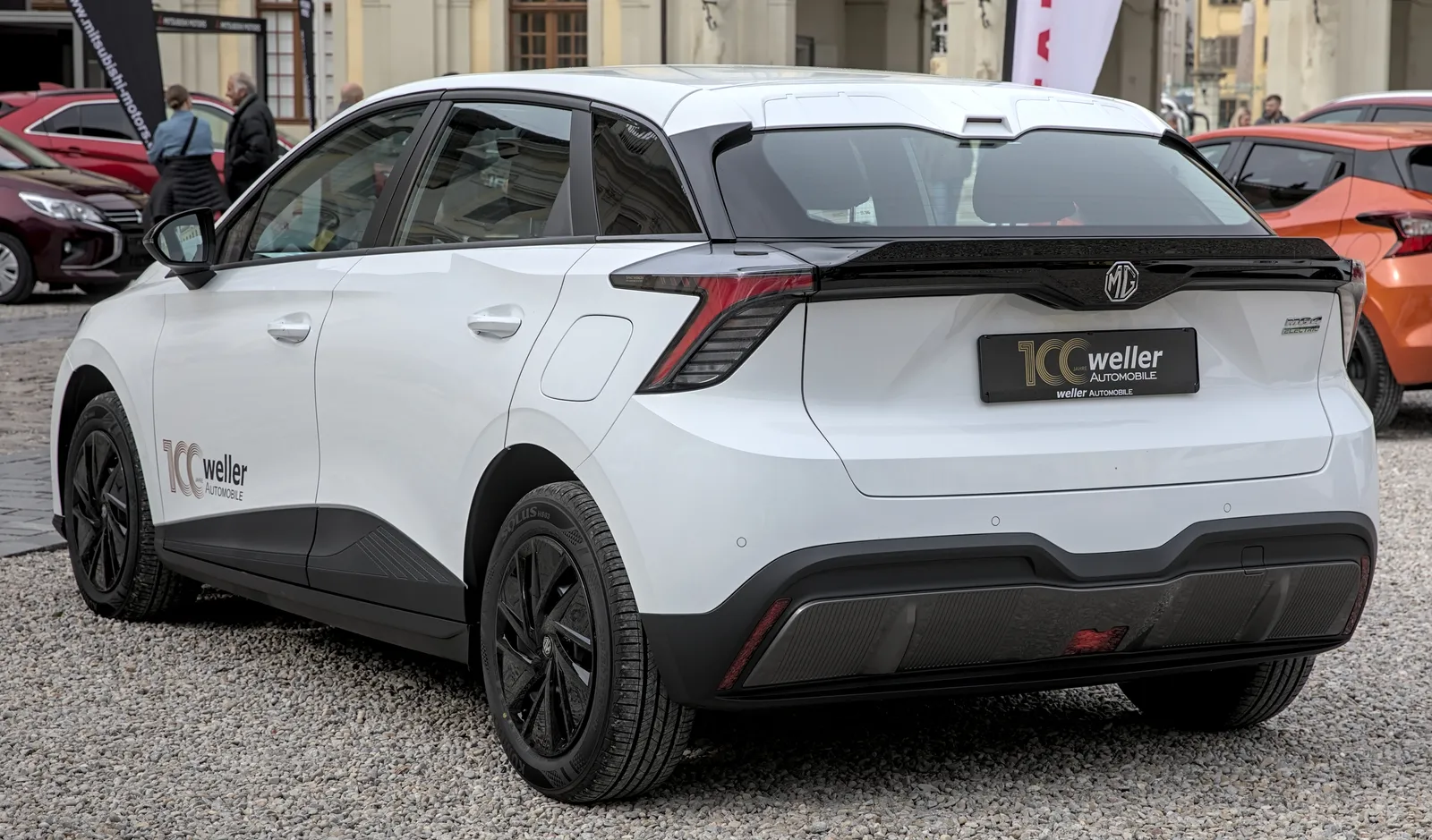
Best Chinese Electric Car 2026: Ranked by Use Case
Best chinese electric car 2026: first-hand rankings. From BYD Seal to MG4, find which Chinese EV fits your needs in Europe.
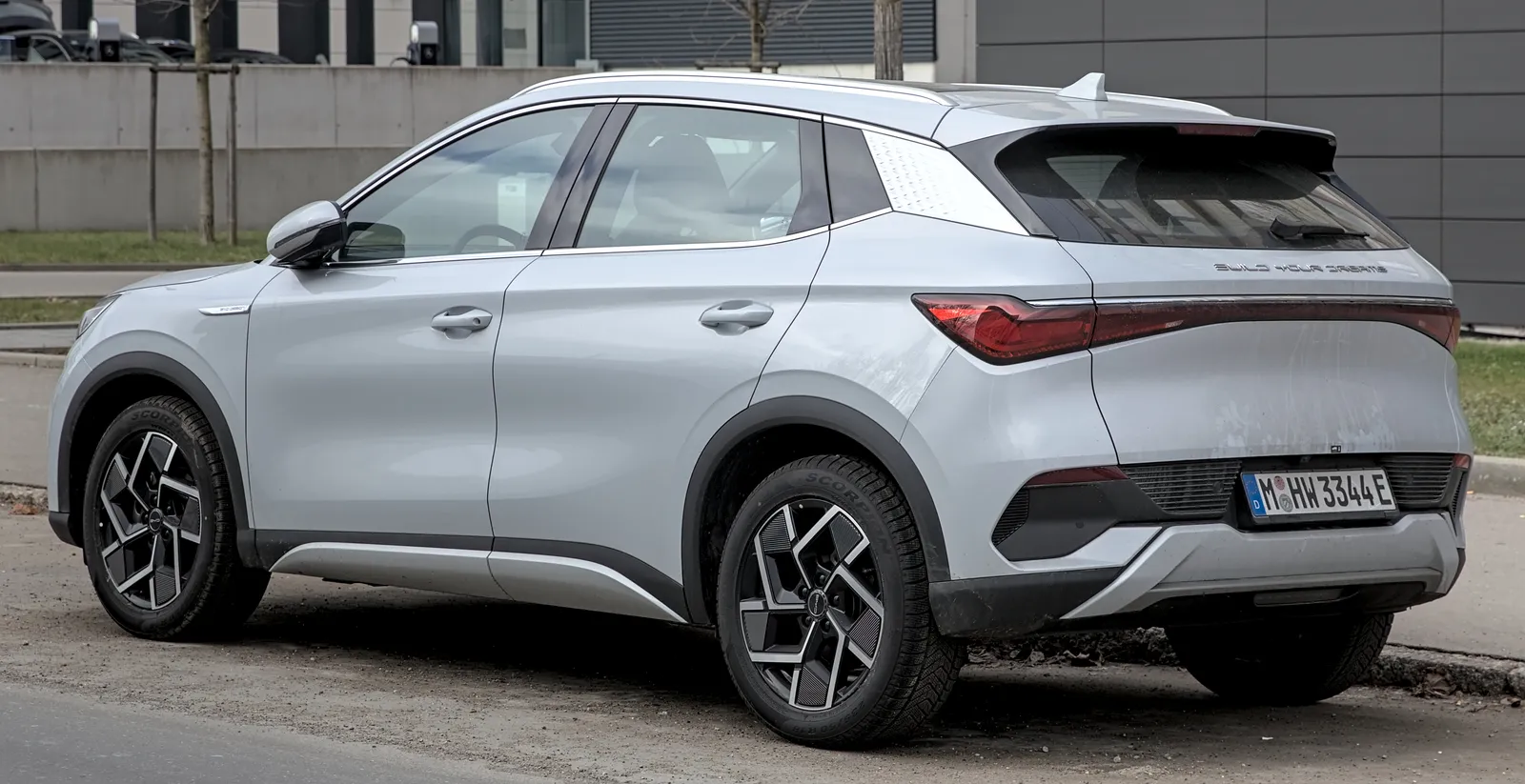
BYD Atto 3 Review: Best Value Family EV SUV or Overhyped?
Honest BYD Atto 3 review: specs, range, pricing. Is this Chinese electric SUV worth it vs Kia Niro and VW ID.4? Full verdict.
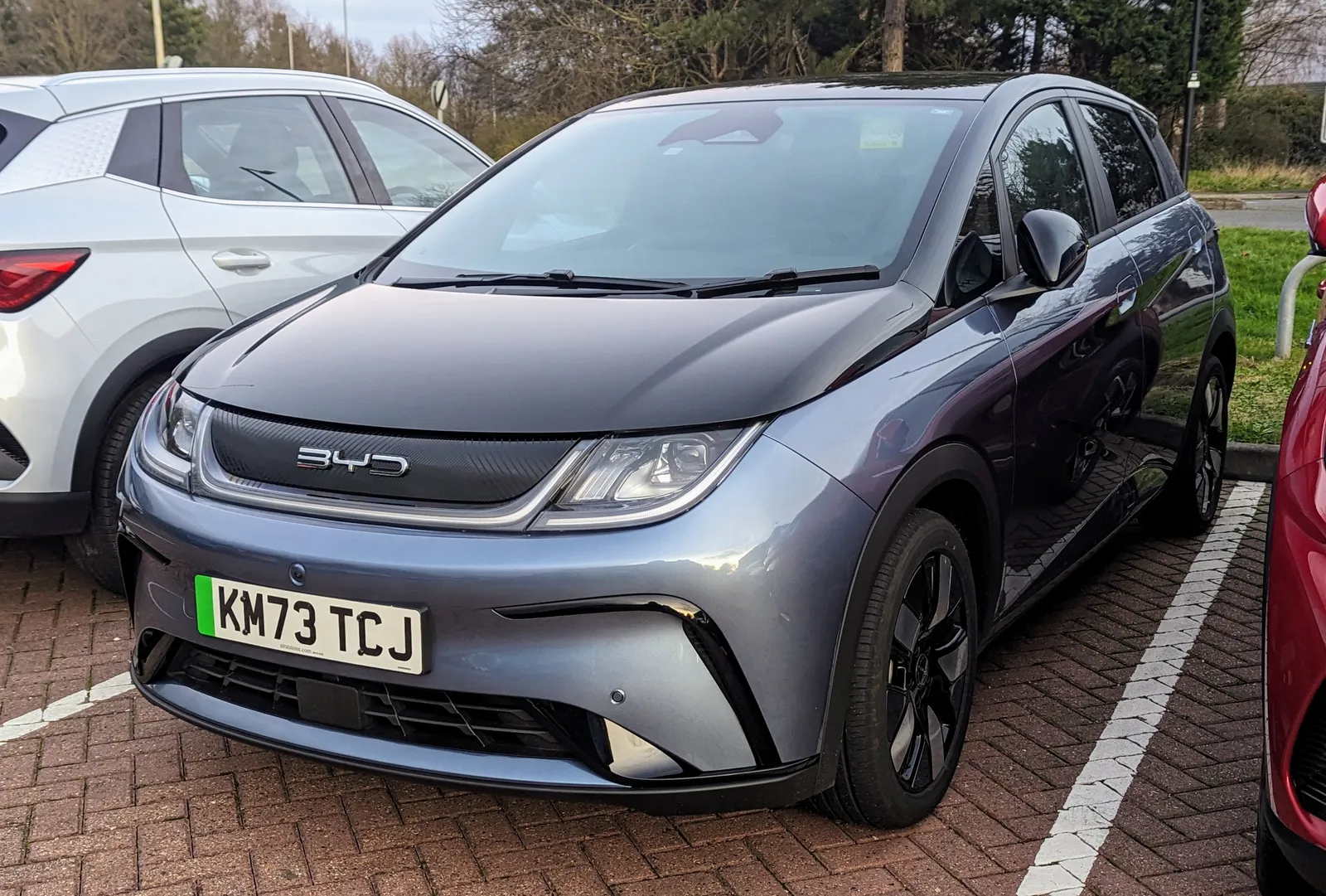
BYD Dolphin Review: Best Value Electric Hatchback?
Honest BYD Dolphin review: specs, range, price. Is this affordable electric hatchback worth it vs VW ID.3? Full verdict.