BYD vs Tesla: Which EV Brand Fits You Best in Europe?
BYD vs Tesla for European buyers: prices, technology, charging and sales compared. Which EV brand fits you—value and equipment or Supercharger network? Read our full comparison.
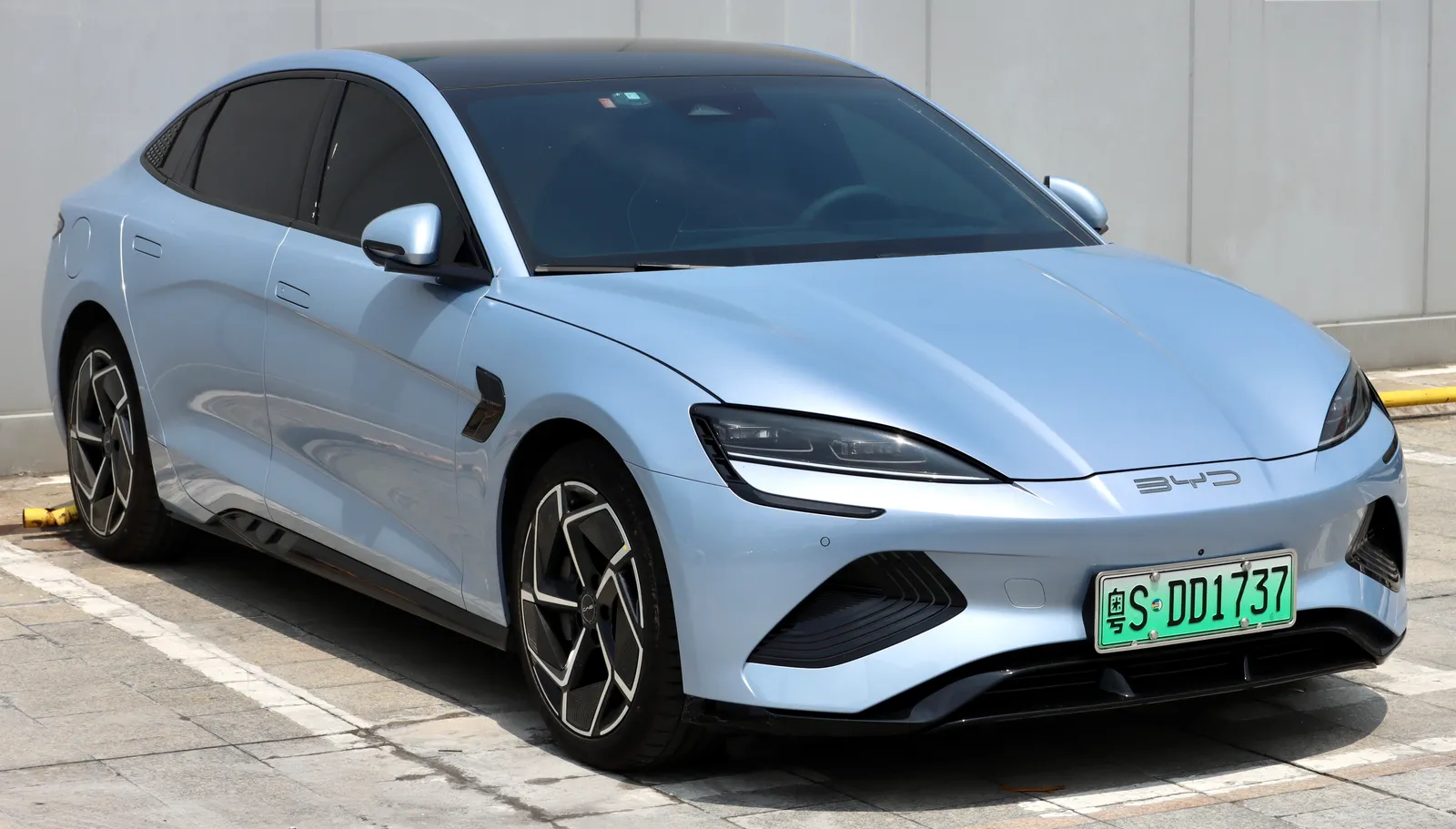
When I started comparing BYD and Tesla for a family EV in early 2025, the landscape felt very different from even a year before. BYD had just outsold Tesla in Europe for the first time that April—7,231 registrations to Tesla’s 7,165—and the BYD vs Tesla question was suddenly everywhere. What I discovered is that the “better” brand depends entirely on what you value: price and equipment, or charging infrastructure and resale. Neither is universally right.
For European buyers, BYD vs Tesla Europe boils down to a simple trade-off. BYD typically undercuts Tesla by 15–30% on equivalent models, packs more standard equipment (360° cameras, heads-up displays, panoramic roofs), and backs it with Blade Battery safety and Euro NCAP five-star ratings. Tesla fights back with the Supercharger network—50,000+ stations globally—plus sharper software updates and stronger resale values. I ended up leaning BYD for daily use and home charging, but I’d choose Tesla in a heartbeat if I travelled long distances often. Our Chinese EVs vs Tesla guide goes deeper into that comparison.
BYD vs Tesla: Brand Overview
BYD Brand Overview
Founded in 1995 and headquartered in Shenzhen, China, BYD (Build Your Dreams) has transformed from a battery manufacturer into the world’s largest EV seller in 2025, delivering 2.26 million battery electric vehicles globally. European expansion began in earnest in late 2022, moving beyond Norway and the Netherlands to establish a presence across major markets. BYD’s philosophy centers on vertical integration, cost-effective materials, safety, and longevity—embodied in its Blade Battery technology.
BYD’s strengths include aggressive pricing, rapid European expansion (1,000 stores planned by 2026), and a comprehensive lineup of BEVs and PHEVs. The Hungarian factory, scheduled to begin production in late 2025 with 200,000-unit capacity, will reduce import costs and tariffs. Sales surged 290%+ year-over-year in 2025, with August registrations reaching 13,503 units—a 201.3% increase compared to the previous year.
Tesla Brand Overview
Tesla, founded in 2003 and headquartered in Austin, Texas, pioneered the modern electric vehicle movement and is the second-largest EV seller globally in 2025 (1.63 million BEVs). European presence dates to 2012—over a decade of market experience, brand recognition, and infrastructure. Tesla’s philosophy emphasizes high energy density, performance, and innovation—reflected in 4680 cells, advanced software, and autonomous driving development.
Tesla’s core strengths: Supercharger network (50,000+ stations, 95%+ uptime), frequent OTA updates, strong resale values, and superior driving dynamics. AI and autonomous driving remain a long-term advantage, though limited in Europe by regulation. European sales declined 40% year-over-year in July 2025—aging lineup, Model Y redesign halts, and Chinese competition all played a role.
Key Differences at a Glance
| Category | BYD | Tesla |
|---|---|---|
| Pricing | Consistently lower prices across all segments (15-30% cheaper) | Premium pricing with higher resale value |
| Battery Technology | Blade Battery (LFP prismatic) - safer, longer-lasting | 4680 cells (NMC811 cylindrical) - higher energy density |
| Charging Infrastructure | Launching megawatt charging network (up to 1,360 kW) | Established Supercharger network (250 kW, 50,000+ stations) |
| Market Strategy | Aggressive expansion, vertical integration, cost leadership | Premium positioning, software focus, AI development |
| European Growth | Rapid growth (290%+ year-over-year in 2025) | Declining sales (-40% year-over-year in 2025) |
| Founded | 1995 | 2003 |
| 2025 Global BEV Sales | 2.26 million (world’s largest) | 1.63 million (second-largest) |
Product Lineup Comparison
BYD Models Available in Europe
BYD’s European lineup spans multiple segments, offering buyers options from compact hatchbacks to large SUVs:
- Dolphin / Dolphin Surf: Compact hatchback starting from €19,990-€24,990, featuring Blade Battery and e-Platform 3.0 architecture
- Seal: Mid-size sedan starting around £31,000, offering up to 570 km WLTP range with RWD and AWD options
- Atto 3: Compact SUV with Blade Battery technology
- Sealion 7: Mid-size SUV starting at £44,990, offering 312 miles estimated range with superior interior and build quality
- Seal U: Large SUV available in both BEV and PHEV configurations, providing spacious and comfortable family transportation
- HAN: Premium sedan model
- TANG: Large SUV model
Tesla Models Available in Europe
Tesla’s European lineup focuses on two core models with multiple variants:
- Model 3 Standard: Entry-level sedan starting at €36,990, offering 534 km WLTP range with RWD
- Model 3 Long Range: Extended-range sedan with AWD capabilities
- Model Y Standard Range RWD: Compact SUV entry point
- Model Y Long Range RWD: Extended-range SUV variant
- Model Y Long Range AWD: All-wheel-drive SUV with 568 km WLTP range
- Model Y Performance AWD: High-performance SUV variant starting from €61,990+
Side-by-Side Model Comparisons
Compact Hatchback Segment: BYD offers the Dolphin/Dolphin Surf starting from €19,990, while Tesla has no direct competitor in this segment. This gives BYD a significant advantage for budget-conscious buyers seeking an urban-focused electric vehicle.
Mid-Size Sedan Segment: The BYD Seal (starting ~£31,000, up to 570 km WLTP) competes directly with the Tesla Model 3 Standard (€36,990, 534 km WLTP). The Seal offers competitive range at a lower price point, with RWD and AWD options. The Model 3 includes a panoramic glass roof and 250 kW Supercharging capability, but commands a premium price.
Mid-Size SUV Segment: The BYD Sealion 7 (£44,990, 312 miles estimated range) faces the Tesla Model Y (starting £46,990/€44,990, 387 miles estimated range). The Sealion 7 offers superior interior quality, better build quality, and three trim levels, while the Model Y provides better range efficiency and Supercharger network access. The Model Y’s multiple variants (Standard Range, Long Range, Performance) give buyers more powertrain options.
Large SUV Segment: BYD’s Seal U competes with the Tesla Model Y 7-seat option (€52,990+). The Seal U offers spacious, comfortable accommodation and is also available as a PHEV, providing flexibility for buyers concerned about charging infrastructure.
Pricing Comparison: Value Analysis
Price Ranges by Segment
BYD Pricing Structure:
- Entry-level: €19,990 (Dolphin Surf promotional pricing)
- Mid-range: €22,990-€31,000 (Dolphin, Seal)
- Premium: £44,990-£57,290 (Sealion 7)
Tesla Pricing Structure:
- Entry-level: €36,990 (Model 3 Standard)
- Mid-range: €44,990-€52,990 (Model Y variants)
- Premium: €61,990+ (Model Y Performance)
BYD consistently undercuts Tesla across all segments, with the price gap typically ranging from 15-30% for equivalent models. This pricing advantage becomes most pronounced in the entry-level segment, where BYD’s Dolphin Surf at €19,990 undercuts Tesla’s Model 3 Standard by €17,000—nearly 46% cheaper.
Value Proposition Analysis
BYD Advantages:
- Lower purchase prices across all segments
- More standard equipment included (360-degree cameras, heads-up displays, panoramic sunroofs)
- Better interior features and build quality, particularly evident in the Sealion 7 versus Model Y comparison
- Competitive real-world range (250-280 miles) despite lower WLTP figures
- Proven battery safety with Blade Battery technology
Tesla Advantages:
- Superior range efficiency (smaller battery capacity achieving longer range)
- Better resale value due to brand recognition and market perception
- Established charging infrastructure with 50,000+ Supercharger stations
- More refined software experience with frequent over-the-air updates
- Stronger brand recognition that enhances ownership experience
The value equation shifts dramatically depending on buyer priorities. For those who primarily charge at home and prioritize upfront cost and standard equipment, BYD offers superior value. For frequent long-distance travelers who rely on public charging infrastructure, Tesla’s Supercharger network and range efficiency may justify the premium pricing.
Technology Comparison: Battery, Charging & Software
Battery Technology: Blade vs 4680
BYD Blade Battery:
- Cell format: Prismatic (flat blade)
- Chemistry: Lithium Iron Phosphate (LFP)
- Energy density: 355.26 Wh/L, 160 Wh/kg
- Advantages: Superior thermal management, simpler heat dissipation, half the energy losses per volume at the same charge rate, better safety record, longer lifespan
- Design philosophy: Volume efficiency, safety, longevity
Tesla 4680 Cells:
- Cell format: Cylindrical (46mm × 80mm)
- Chemistry: NMC811 (Nickel Manganese Cobalt)
- Energy density: 643.3 Wh/L, 241 Wh/kg
- Advantages: Higher volumetric energy density, compact design, better performance characteristics, novel binders (polyacrylic acid, polyethylene oxide)
- Design philosophy: High energy density and performance
Both technologies share common features: graphite anodes without silicon, and advanced welding techniques (laser/ultrasonic). The fundamental difference lies in priorities: BYD prioritizes safety and longevity through LFP chemistry and prismatic design, while Tesla prioritizes energy density and performance through NMC chemistry and cylindrical cells. For most buyers, BYD’s approach offers peace of mind through proven safety characteristics, while Tesla’s approach maximizes range and performance from smaller battery packs.
Charging Networks & Infrastructure
BYD Charging Network: BYD is launching a megawatt charging network in Europe, with chargers capable of delivering up to 1,360 kW—nearly 5.5 times more powerful than Tesla’s Superchargers. This technology enables 400-470 km of range in just 5 minutes, representing a potential game-changer for long-distance travel. Currently, BYD operates 500 megawatt charging units across 200+ cities in China, with plans to expand to 15,000 units globally. European expansion involves partnerships with local infrastructure providers and installations at dealerships. However, this network remains nascent, with initial compatibility limited to Super e-Platform vehicles (Han L, Tang L).
Tesla Supercharger Network: Tesla’s Supercharger network represents the company’s most significant competitive advantage. With 50,000+ stations globally, 95%+ uptime, and charging speeds up to 250 kW, the network provides reliable, fast charging for Tesla owners. The network’s maturity means Tesla drivers can confidently plan long-distance journeys knowing charging infrastructure exists along major routes. Tesla has opened Superchargers to other brands, though BYD compatibility remains unclear. For European buyers who frequently travel long distances, Tesla’s charging infrastructure remains a compelling reason to choose the brand.
Comparison: BYD’s network promises superior charging speeds but remains in early development stages. Tesla’s network offers proven reliability and extensive coverage. For buyers who primarily charge at home, this difference matters less. For frequent travelers, Tesla’s established infrastructure provides significant peace of mind.
Software & Over-the-Air Updates
BYD Software: BYD vehicles include modern infotainment systems with good functionality, including rotating touchscreens (15.6-inch in models like the Seal) and support for Apple CarPlay and Android Auto. Over-the-air updates are available but less frequent than Tesla’s updates. The app ecosystem is growing but remains limited compared to Tesla’s extensive third-party support. Some reviewers note confusing menu hierarchies and a lack of intuitive organization in BYD’s infotainment systems.
Tesla Software: Tesla’s software represents one of the brand’s strongest advantages. The company delivers frequent, comprehensive over-the-air updates that add new features, improve performance, and enhance safety systems. The 15.4-inch center touchscreen provides a highly refined interface, and Tesla’s app ecosystem includes extensive third-party support. The software experience feels more polished and intuitive than competitors, with regular updates that keep vehicles feeling fresh years after purchase.
ADAS & Autonomous Driving
BYD God’s Eye System: BYD offers its “God’s Eye” ADAS system free on 21 models (previously limited to $30,000+ models), representing an aggressive pricing strategy that democratizes advanced driver assistance. The system provides Level 2 autonomous driving, automated parking, lane keeping, highway autonomous driving (hands required), and urban autonomous driving (supervised, premium models). BYD’s ADAS performance improved significantly after Euro NCAP testing feedback, particularly in the Atto 3 model.
Tesla Autopilot / Full Self-Driving: Tesla offers standard Autopilot included with all vehicles, with Full Self-Driving (FSD) available as a paid option. The system provides Level 2+ autonomous driving, Navigate on Autopilot, Summon features, and advanced vision-based capabilities. However, FSD capabilities remain limited in Europe due to regulatory constraints, preventing Tesla from fully deploying its most advanced autonomous features. Tesla’s strategy focuses on premium positioning and advanced AI development, though European buyers cannot access the full FSD experience available in North America.
Comparison: BYD offers more accessible ADAS technology included at lower price points, while Tesla provides more advanced (but expensive) FSD capabilities that remain constrained by European regulations. For most buyers, BYD’s included ADAS provides excellent value, while Tesla’s FSD represents a premium option with limited European functionality.
Sales Performance & Market Share in Europe
European Sales Figures 2025
BYD Performance: BYD’s European expansion has been nothing short of remarkable. July 2025 registrations reached 13,503 units, representing 225% year-over-year growth. April 2025 marked a historic milestone: BYD registered 7,231 BEVs compared to Tesla’s 7,165, marking the first time BYD outsold Tesla in Europe. August 2025 continued this momentum with 201.3% year-over-year growth. Year-to-date growth exceeded 290%, demonstrating the brand’s rapid market penetration.
Tesla Performance: Tesla’s European sales declined significantly in 2025. July registrations fell to 8,837 units, representing a 40% year-over-year decrease. August sales declined 36.6% year-over-year, with year-to-date figures showing a 33%+ decline. This represents a stark reversal from Tesla’s previous growth trajectory and reflects several factors: aging model lineup, production halts for Model Y redesigns, CEO political views triggering some buyer protests, customers waiting for cheaper Model Y variants, and increased competition from Chinese brands.
Market Share Trends
BYD Market Share: BYD’s European market share reached 1.3% in August 2025, up from 1.2% in July. While still modest in absolute terms, the trend demonstrates rapid growth from a near-zero base just three years earlier. The company’s market share trajectory suggests continued expansion as its model lineup grows and brand awareness increases.
Tesla Market Share: Tesla’s European market share fell to 1.2% in August 2025, down from 2.0% in the previous year. This decline reflects both Tesla’s sales decrease and overall market growth, with Chinese EV brands collectively increasing sales by 59% year-on-year in April 2025—significantly outpacing European, Japanese, South Korean, and American brands (26% growth).
Growth Trajectories
BYD Growth Factors:
- Aggressive pricing strategy that undercuts competitors by 15-30%
- Rapid European expansion with 1,000 stores planned by 2026
- PHEV offerings that face lower EU tariffs
- Advancing technology including ultrafast charging and autonomous parking
- Hungarian factory production starting late 2025 (200,000 capacity) reducing costs
Tesla Challenges:
- Aging model lineup requiring refresh
- Production halts for Model Y redesign affecting availability
- CEO political views triggering some buyer protests
- Customers waiting for cheaper Model Y variants
- Increased competition from Chinese brands offering better value
The market context reveals a broader shift: Chinese EV sales overall increased 59% year-on-year in April 2025, significantly outpacing other regions. This trend suggests BYD’s success reflects both company-specific factors and broader market dynamics favoring value-focused Chinese manufacturers.
Service Network & Ownership Experience
BYD Service Network
BYD’s European service network is rapidly expanding alongside sales growth. The company plans to establish 1,000 stores by 2026, representing a significant investment in European infrastructure. However, as a newer entrant to the market, BYD’s service network remains less established than Tesla’s. Buyers in major metropolitan areas typically have good access to service centers, while those in rural or less-developed markets may face longer travel distances for service. BYD’s partnership approach with local dealers helps accelerate network development, though service quality and consistency may vary across markets.
Tesla Service Network
Tesla’s European service network benefits from over a decade of market presence, with service centers established across major markets. The company’s direct sales model and service approach provide consistent experiences, though some owners report service center wait times and parts availability challenges. Tesla’s mobile service program, where technicians visit owners’ locations for certain repairs, represents a significant convenience advantage. However, Tesla’s service network has faced criticism for inconsistent quality and communication, particularly as sales volumes have grown.
Ownership Experience Comparison
BYD owners typically report satisfaction with vehicle value, standard equipment, and build quality. Common praise focuses on interior quality, feature content, and competitive pricing. Criticisms often center on infotainment system usability, less frequent software updates, and newer brand recognition affecting resale values.
Tesla owners frequently praise software updates, Supercharger network reliability, and brand recognition that supports resale values. Common criticisms include build quality inconsistencies, service center experiences, and premium pricing. The brand’s strong resale values provide financial benefits, though this advantage may diminish as competition increases.
Which Brand Should You Choose?
For Budget-Conscious Buyers
Winner: BYD
BYD offers significantly lower prices (15-30% cheaper than equivalent Tesla models) with more standard equipment included. The BYD Dolphin Surf starting at €19,990 provides an entry point €17,000 below Tesla’s Model 3 Standard, while the Seal at ~£31,000 undercuts the Model 3 by approximately £6,000. BYD’s value proposition includes better interior features, 360-degree cameras, heads-up displays, and panoramic sunroofs as standard equipment. For buyers prioritizing upfront cost and feature content, BYD provides superior value.
Best Models: BYD Dolphin Surf (€19,990) or Seal (~£31,000)
For Performance Enthusiasts
Winner: Tesla
Tesla’s vehicles deliver superior driving dynamics, better acceleration, and sportier handling compared to BYD’s comfort-focused tuning. The Model Y Performance and Model 3 Performance offer exceptional acceleration and handling characteristics that appeal to driving enthusiasts. BYD’s vehicles prioritize ride comfort over dynamic driving, resulting in noticeable body roll and less engaging steering feedback. For buyers seeking sporty driving experiences, Tesla remains the clear choice.
Best Models: Tesla Model Y Performance or Model 3 Performance
For Long-Distance Travelers
Winner: Tesla
Tesla’s established Supercharger network (50,000+ stations, 95%+ uptime) provides unmatched reliability for long-distance travel. The network’s extensive coverage and proven reliability mean Tesla drivers can confidently plan cross-country journeys. Tesla’s superior range efficiency (achieving longer range from smaller battery packs) further supports long-distance travel. While BYD’s megawatt charging network promises faster speeds, it remains in early development stages and lacks the coverage necessary for reliable long-distance travel.
Best Models: Tesla Model Y Long Range or Model 3 Long Range
For Tech-Focused Buyers
Winner: Tesla
Tesla’s software refinement, frequent over-the-air updates, superior infotainment systems, and FSD capabilities (where available) appeal to technology enthusiasts. The company’s approach to continuous improvement through software updates keeps vehicles feeling fresh years after purchase. Tesla’s app ecosystem and third-party support exceed BYD’s offerings. While BYD includes modern technology and rotating touchscreens, Tesla’s software experience remains more polished and feature-rich.
Best Models: Tesla Model Y or Model 3 with FSD
For Families
Winner: BYD
BYD vehicles offer more interior space, better build quality (particularly evident in the Sealion 7), more standard safety features, and superior value for families. The Sealion 7 and Seal U provide spacious, comfortable accommodation with generous standard equipment. BYD’s 5-star Euro NCAP ratings and comprehensive safety features provide peace of mind. The brand’s value proposition means families can access premium features and safety technology at lower price points than Tesla.
Best Models: BYD Sealion 7 or Seal U
For City Drivers
Winner: BYD
For urban drivers who primarily charge at home and prioritize cost and features over long-distance travel capabilities, BYD offers compelling advantages. Lower prices, adequate range for daily use, and home charging make network differences less relevant. BYD’s compact models like the Dolphin provide excellent urban maneuverability, while the brand’s value proposition means city drivers can access premium features without premium pricing.
Best Models: BYD Dolphin or Seal
Frequently Asked Questions
Is BYD more reliable than Tesla?
Both brands build reliable electric vehicles, though the picture is mixed. BYD’s Blade Battery offers strong safety and cycle life, while Tesla has a decade of production experience in Europe. Build quality varies by model and factory for both. BYD’s shorter European track record means less long-term data—for deeper analysis, see our Chinese EV reliability guide.
Can BYD use Tesla Superchargers?
Tesla has opened Superchargers to other brands, though BYD compatibility remains unclear. Some Tesla Supercharger locations support non-Tesla vehicles through adapters or modified stations, but compatibility varies by location and model. BYD owners should verify Supercharger compatibility before relying on Tesla’s network for charging.
Which brand has better resale value?
Tesla currently maintains superior resale values due to brand recognition and market perception. However, this advantage may diminish as BYD’s brand awareness grows and the market recognizes the brand’s value proposition. Tesla’s established market presence and brand strength support resale values, while BYD’s newer European presence means less resale value data available.
Is BYD cheaper than Tesla?
Yes, BYD consistently offers lower prices than Tesla across all segments, typically 15-30% cheaper for equivalent models. The price gap is most pronounced in entry-level segments, where BYD’s Dolphin Surf at €19,990 undercuts Tesla’s Model 3 Standard by €17,000 (46% cheaper).
Which brand charges faster?
BYD’s megawatt charging network promises faster charging speeds (up to 1,360 kW, enabling 400-470 km range in 5 minutes) compared to Tesla’s Superchargers (up to 250 kW). However, BYD’s network remains in early development stages with limited coverage, while Tesla’s network offers proven reliability and extensive coverage. For current buyers, Tesla’s established network provides more reliable fast charging.
Does BYD have autonomous driving?
Yes, BYD offers its “God’s Eye” ADAS system providing Level 2 autonomous driving, automated parking, lane keeping, and highway/urban autonomous driving capabilities. The system is included free on 21 models, representing excellent value compared to Tesla’s FSD, which requires additional payment and offers limited functionality in Europe due to regulatory constraints.
Which brand sells more cars in Europe?
In 2025, BYD outsold Tesla in Europe for the first time in April (7,231 vs 7,165 BEVs). BYD’s sales grew 290%+ year-over-year, while Tesla’s sales declined 40% year-over-year. However, Tesla maintains a larger cumulative presence due to over a decade of European sales, while BYD’s rapid growth reflects its recent market entry and aggressive expansion strategy.
Verdict: BYD vs Tesla by Buyer Type
The BYD vs Tesla comparison reveals two fundamentally different approaches to electric vehicle manufacturing, each with distinct advantages. BYD offers superior value through aggressive pricing (15-30% cheaper), comprehensive standard equipment, proven battery safety, and rapid European expansion. Tesla counters with an established Supercharger network, superior software refinement, stronger brand recognition supporting resale values, and better range efficiency.
For most buyers who primarily charge at home, BYD provides superior value. The brand’s lower prices, generous standard equipment, and competitive real-world range make it an excellent choice for budget-conscious buyers, families, and city drivers. Our cheapest Chinese EVs in Europe guide covers the budget end of the market, while the how to buy Chinese EV guide walks through the purchase process.
For frequent long-distance travelers, Tesla’s Supercharger network remains a significant advantage. The network’s 50,000+ stations, 95%+ uptime, and extensive coverage provide unmatched reliability for cross-country journeys. Tesla’s superior range efficiency further supports long-distance travel, making it the better choice for buyers who frequently rely on public charging infrastructure.
For performance enthusiasts and tech-focused buyers, Tesla’s superior driving dynamics, software refinement, and frequent updates provide advantages that justify premium pricing. However, BYD’s included ADAS technology and competitive performance in comfort-focused segments offer excellent alternatives for buyers prioritizing value.
The European EV market’s evolution suggests both brands will continue competing across different buyer segments. BYD’s aggressive expansion, pricing strategy, and technological advances position it as a formidable challenger, while Tesla’s established infrastructure, brand strength, and software capabilities maintain advantages in specific use cases. The BYD vs Tesla Europe decision ultimately depends on individual priorities: value and features favor BYD, while charging infrastructure and brand recognition favor Tesla.
As we move through 2026, BYD’s momentum appears stronger, with sales growth exceeding 290% year-over-year compared to Tesla’s 40% decline. However, Tesla’s established market presence, Supercharger network, and brand recognition provide resilience that shouldn’t be underestimated. For buyers, the increasing competition benefits everyone: better prices, more features, and improved technology across both brands.
Other Guides
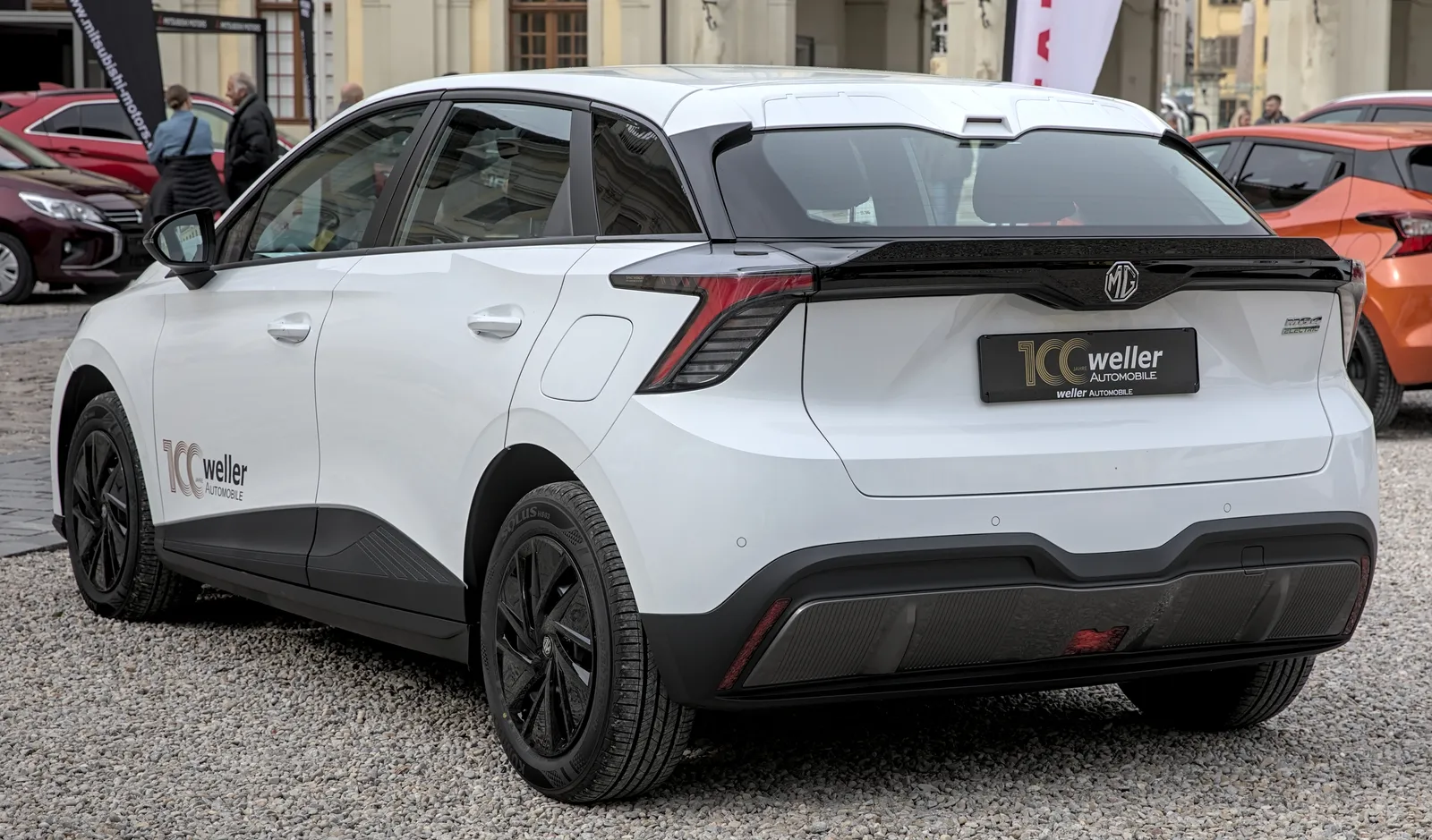
Best Chinese Electric Car 2026: Ranked by Use Case
Best chinese electric car 2026: first-hand rankings. From BYD Seal to MG4, find which Chinese EV fits your needs in Europe.
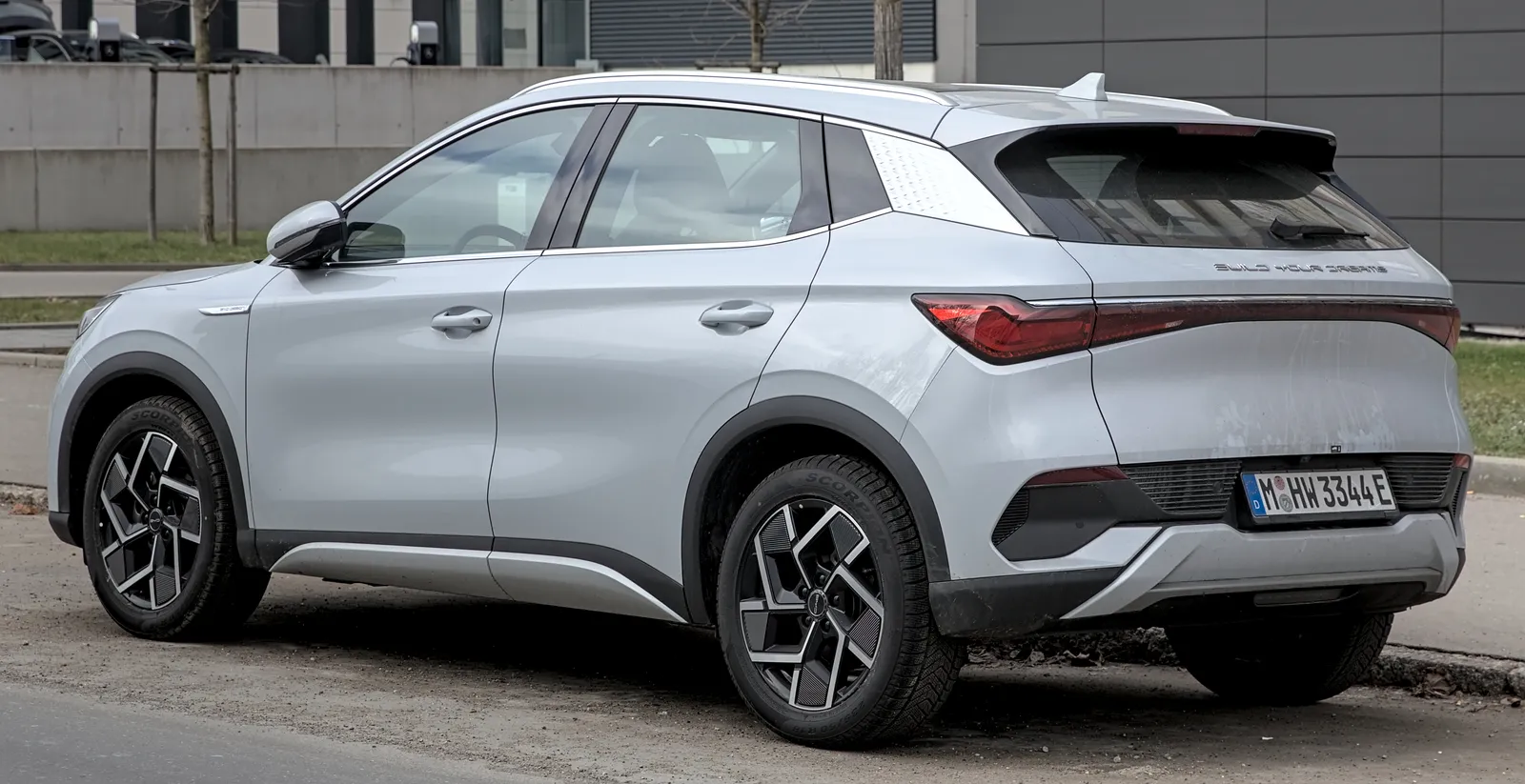
BYD Atto 3 Review: Best Value Family EV SUV or Overhyped?
Honest BYD Atto 3 review: specs, range, pricing. Is this Chinese electric SUV worth it vs Kia Niro and VW ID.4? Full verdict.
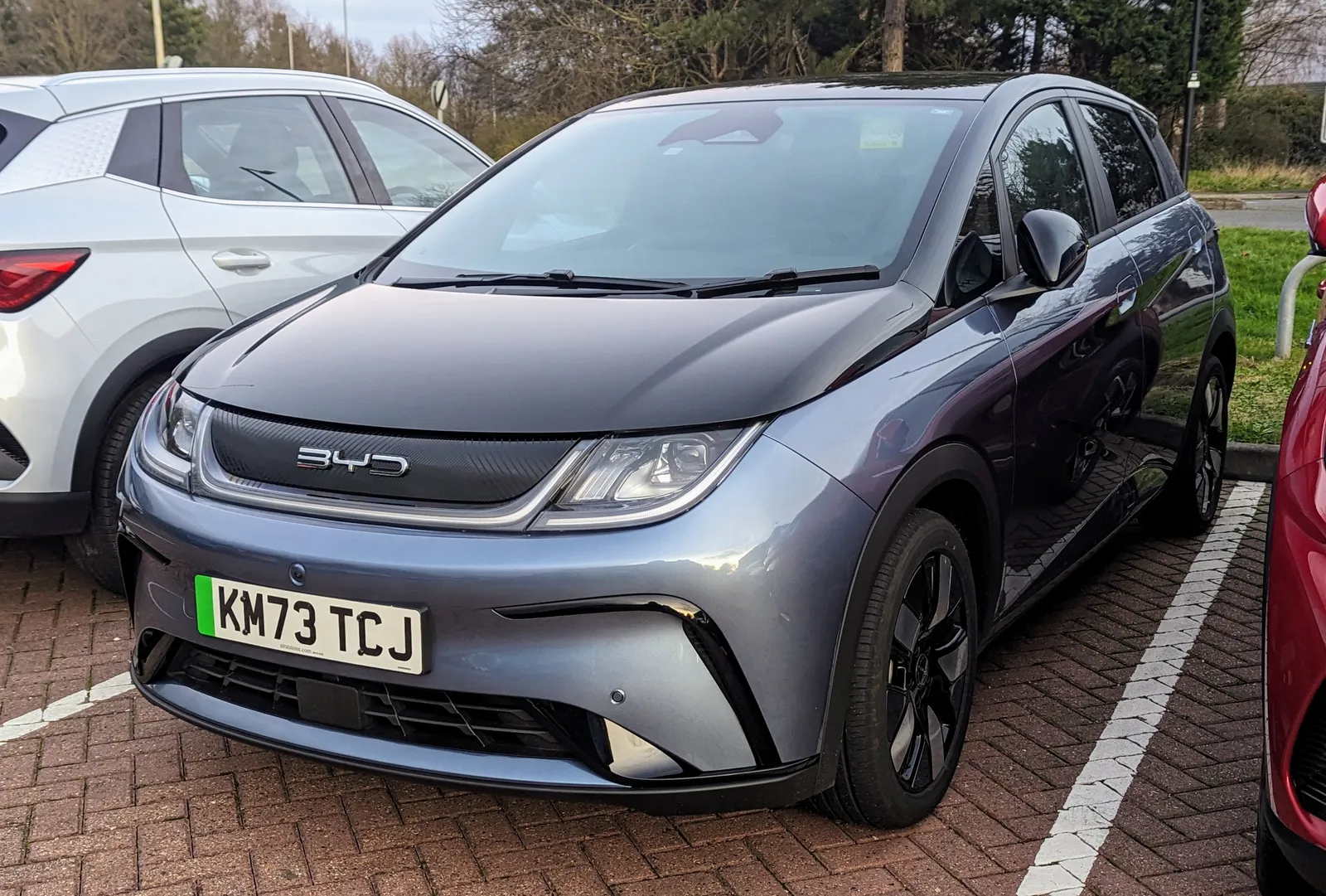
BYD Dolphin Review: Best Value Electric Hatchback?
Honest BYD Dolphin review: specs, range, price. Is this affordable electric hatchback worth it vs VW ID.3? Full verdict.